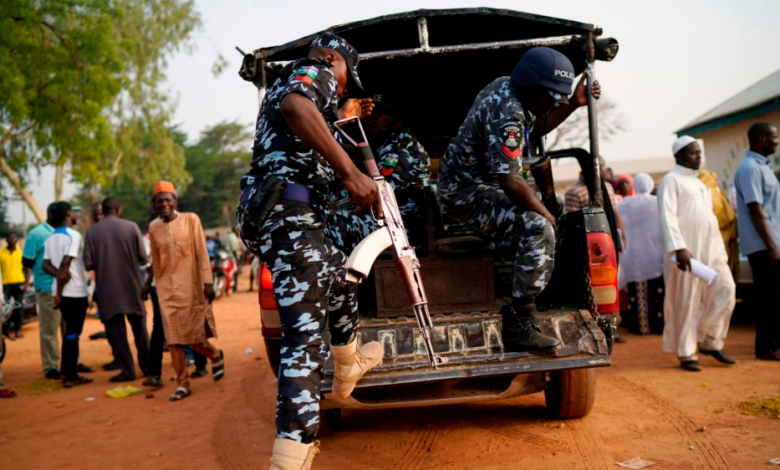

شهدت ولاية النيجر الواقعة في وسط غرب نيجيريا مأساة إنسانية جديدة، حيث لقي ما لا يقل عن 46 شخصاً مصرعهم في سلسلة هجمات دموية شنها مسلحون مجهولون، أمس السبت، استهدفت ثلاث قرى نائية. وتأتي هذه الحادثة لتسلط الضوء مجدداً على التحديات الأمنية المتفاقمة التي تواجهها الدولة الأكثر اكتظاظاً بالسكان في القارة الأفريقية.
تفاصيل الهجوم الدامي
أفادت مصادر أمنية نيجيرية ومسؤولون محليون بأن الهجمات تركزت في منطقة "بورغو" التابعة للحكومة المحلية، والمحاذية لولاية كوارا. ووفقاً للإحصائيات الأولية، فقد توزع الضحايا على النحو التالي:
- قرية كونكوسو: سجلت العدد الأكبر من الضحايا، حيث قُتل 38 شخصاً في هجوم مباغت.
- قرية تونغان ماكيري: أسفر الهجوم عن مقتل سبعة أشخاص.
- قرية بيسا: سقط قتيل واحد في هذه القرية.
وتشير التقارير إلى أن المسلحين، الذين يُشار إليهم محلياً بلقب "قطاع الطرق" أو "العصابات"، اقتحموا القرى مستخدمين الدراجات النارية والأسلحة الرشاشة، مما أثار الذعر بين السكان ودفع الكثيرين للفرار.
السياق الأمني وتصاعد العنف في نيجيريا
لا تعد هذه الحادثة معزولة عن المشهد الأمني العام في نيجيريا، وتحديداً في المناطق الشمالية والوسطى. فمنذ سنوات، تعاني هذه المناطق من نشاط مكثف لعصابات إجرامية تمتهن سرقة الماشية، ونهب القرى، والاختطاف للحصول على فدية. وقد تطورت عمليات هذه الجماعات من مجرد لصوصية إلى هجمات منظمة تستهدف ترويع المدنيين والسيطرة على الموارد المحلية.
وتجدر الإشارة إلى أن المنطقة التي وقعت فيها الهجمات تقع بالقرب من ولاية كوارا، التي شهدت هي الأخرى مأساة مروعة في بداية شهر فبراير الجاري، حيث قُتل أكثر من 160 شخصاً في هجمات مماثلة، مما يشير إلى توسع رقعة العنف وانتقال الجماعات المسلحة عبر الحدود الداخلية للولايات مستغلة الغابات والمناطق الوعرة.
التداعيات والتحديات الحكومية
يضع هذا التصعيد الأمني ضغوطاً هائلة على الحكومة النيجيرية والرئيس بولا تينوبو، الذي تعهد عند توليه السلطة بجعل الأمن أولوية قصوى. إلا أن استمرار هذه المجازر يثير تساؤلات حول قدرة القوات الأمنية على حماية القرى النائية وتأمين الحدود بين الولايات.
إلى جانب الخسائر البشرية الفادحة، تؤدي هذه الهجمات إلى أزمات إنسانية واقتصادية، حيث يضطر المزارعون لترك أراضيهم خوفاً من القتل أو الاختطاف، مما يهدد الأمن الغذائي في البلاد ويفاقم من أزمة النزوح الداخلي.