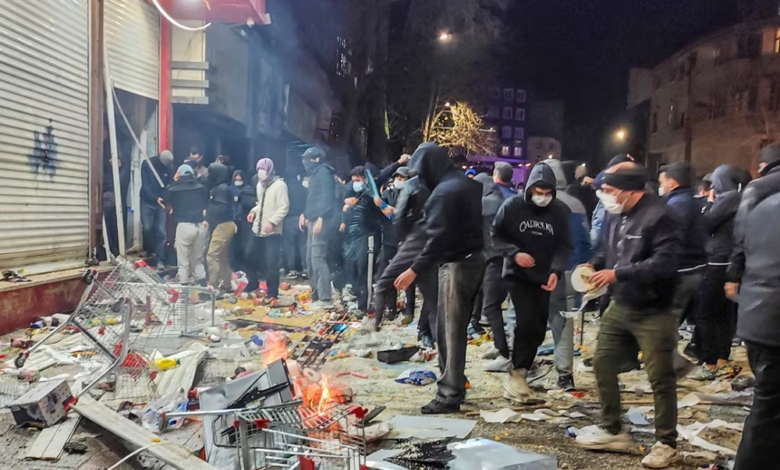

United Nations Secretary-General António Guterres expressed his deep shock at reports documenting the excessive use of force by security forces against protesters in Iran. His remarks come as the country experiences a wave of popular protests, prompting urgent UN intervention to call for calm and respect for human rights.
In an official statement issued on Sunday, the spokesperson for the Secretary-General, Stéphane Dujarric, conveyed Guterres's deep concern regarding reports of casualties and the use of lethal force to disperse peaceful gatherings. The statement stressed the need for Iranian authorities to exercise maximum restraint and to immediately refrain from resorting to unnecessary or excessive force that could further escalate the situation on the ground.
Digital blackout and internet shutdown
Concurrently with the escalation on the ground, NetBlocks, an organization that monitors cybersecurity and internet freedom globally, reported a continued widespread internet outage in Iran. The organization confirmed via its X platform account that network data showed a near-total disruption of digital communications since last Thursday, with the outage lasting for more than 48 consecutive hours until Saturday evening.
Internet shutdowns are a recurring tactic employed by authorities in Tehran during periods of unrest, aimed at limiting the ability of protesters to organize or document abuses and disseminate them to the outside world. This digital blackout poses a significant obstacle for international human rights organizations in monitoring the situation on the ground, further fueling international concerns about the safety of civilians.
Background of the protests and living conditions
These protests are an extension of widespread public discontent stemming from deteriorating living conditions and the economic situation in the country. The Iranian economy suffers from deep structural challenges, exacerbated by international sanctions and mismanagement, leading to soaring inflation and a plummeting currency, which has directly impacted the purchasing power of its citizens.
Historically, Iran has witnessed several waves of protests linked to economic and social demands, often met with harsh security responses. Observers believe the recurrence of these protests reflects the deep gap between popular demands and government policies, with protesters calling for fundamental reforms to improve their living conditions and guarantee their basic freedoms.
The international stance and repercussions of the crisis
The repercussions of the violence against protesters are not limited to Iran's internal affairs, but extend to a wide international response. Guterres' call for restraint aligns with demands from human rights organizations and the international community for Iran to adhere to international conventions guaranteeing the right to peaceful protest and freedom of expression.
Continued repression and internet shutdowns are expected to increase Tehran's international isolation and could pave the way for further diplomatic pressure or human rights sanctions. The United Nations consistently emphasizes that security solutions cannot replace dialogue and addressing the legitimate demands of people to live in dignity and security.