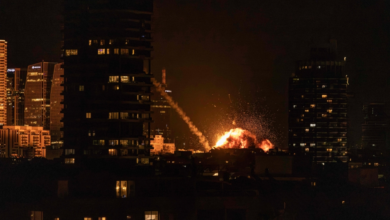
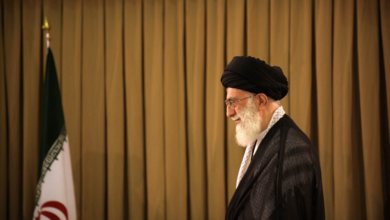
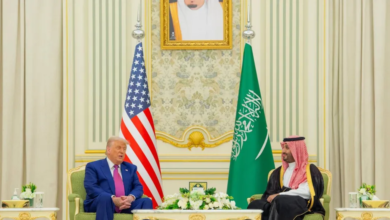
Guterres warns of the unknown... Security Council discusses military escalation in Iran

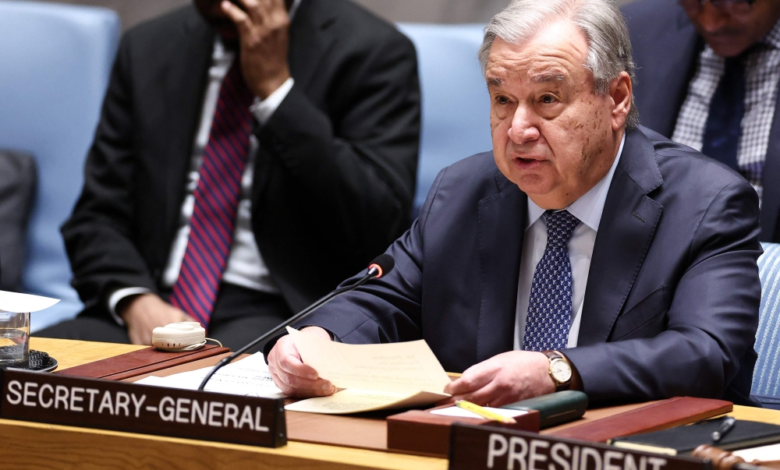
In a stark warning reflecting the gravity of the current situation, UN Secretary-General António Guterres asserted that the Middle East is on the brink of a dangerous phase that could witness a series of uncontrollable events. This came during his address to the emergency session of the UN Security Council convened to discuss the rapidly evolving situation and ongoing military operations in the region, particularly concerning the Iranian issue.
Calls to halt the escalation and protect civilians
During the session held on Saturday evening, Guterres stressed the urgent need for an immediate cessation of hostilities, urging all parties to the conflict to fully adhere to the UN Charter and international humanitarian law. The Secretary-General noted that the rapid escalation of military operations threatens a humanitarian and political catastrophe that could destabilize the entire region, emphasizing that the highest priority must be the protection of civilians and sparing them the horrors of war.
Background of US-Iranian tensions
This emergency session comes amid an unprecedented escalation, with US President Donald Trump indicating that his country has launched a massive and sustained military operation against Iran. This development marks a new chapter in the long-standing tensions between Washington and Tehran, which have consistently cast a shadow over the security of the Arabian Gulf and global energy routes. The international community is deeply concerned about the potential for these confrontations to escalate into an open regional conflict that could draw other international actors into the fray.
Potential regional and international repercussions
Observers believe that any large-scale military conflict in the Middle East would not only affect the warring states but would also impact the entire global economy. The Gulf region is a vital energy artery, and any threat to freedom of navigation or oil facilities could lead to dramatic spikes in oil prices, exacerbating global economic crises. Furthermore, the international community fears new waves of displacement and refugees that could increase the humanitarian burden on neighboring countries and aid organizations.
The role of the Security Council in maintaining international peace
UN member states are counting on the Security Council to take decisive action aimed at de-escalating the situation. The Council faces a significant challenge in unifying the international community to find a diplomatic solution to the crisis, especially given the divergent views among the permanent members with veto power. The question remains whether international diplomacy can contain this volatile situation before it is too late, at a time when events on the ground are outpacing political efforts.