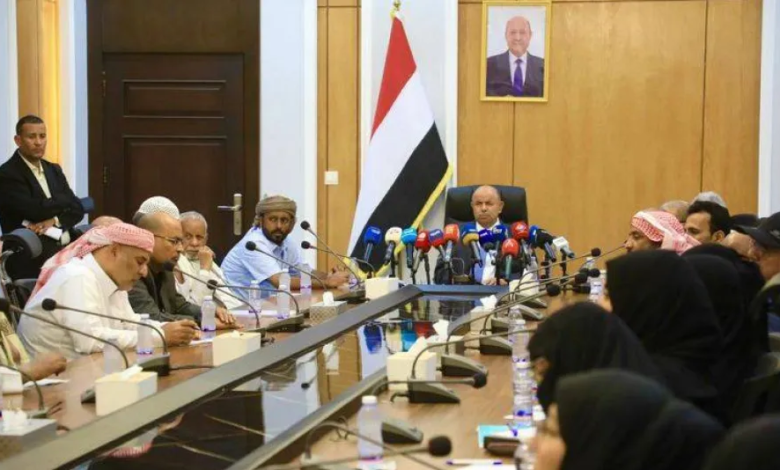

In a pivotal move that is reshaping the political landscape in southern Yemen, Hadramawt Governorate is moving towards clearly defining its political direction within the framework of the Southern National Dialogue, adhering to the option of self-governance as a fundamental pillar of any future settlement. This approach reflects the desire of Hadrami groups to guarantee the governorate's political and economic rights and to affirm its status as an active and equal partner, not merely a subordinate, in any future state structure.
The general context of the Southern Dialogue
The Southern National Dialogue, initiated and sponsored by influential southern political forces, most notably the Southern Transitional Council, is an attempt to unify ranks and bridge the divide between the various southern factions. These efforts aim to draft a national charter that defines the future form of the southern state, whether within a federal framework or through full independence. At the heart of this dialogue lies Hadramawt, given its historical, geographical, and economic significance. No successful southern project can be envisioned without the genuine consent and participation of the people of this strategic province.
Historical background and Hadrami identity
Hadhramaut's demands for self-governance are rooted in a rich historical and cultural heritage, as the province has been distinguished throughout the ages by its unique social and civic character. Like other regions, Hadhramaut has suffered the consequences of excessive centralization over the past decades, leading to its marginalization and depriving it of a fair share of its oil and mineral wealth. This bitter experience has reinforced the conviction among Hadhrami elites and tribal and civic groups of the necessity to seize broad powers that would enable them to manage their own security, administrative, and economic affairs, independent of the central government's control, whether in Sana'a or Aden.
The importance of the event and its expected impact
Hadhramaut's choice of self-governance carries profound implications and far-reaching effects on several levels:
- Locally: This trend strengthens the cohesion of the internal front in Hadramawt, and puts an end to political tensions by rallying around a comprehensive project that preserves the rights of the governorate.
- Regionally: This position sends a reassuring message to neighboring countries and the region that Hadhramaut seeks stability and rejects chaos, and that enabling its people to manage their affairs is the best guarantee for security in this vital region overlooking the Arabian Sea.
- Politically: This position imposes a new reality on the table of comprehensive Yemeni negotiations, as it forces all parties to deal with the Hadrami issue as a pivotal file that cannot be ignored, which may push towards adopting a federal state system as the best solution to the complex Yemeni crisis.
In conclusion, Hadhramaut’s insistence on self-rule within the Southern Dialogue is not merely a political maneuver, but rather an expression of a societal will that seeks to correct the course of history and ensure a safe and prosperous future for future generations, based on justice and genuine partnership in power and wealth.