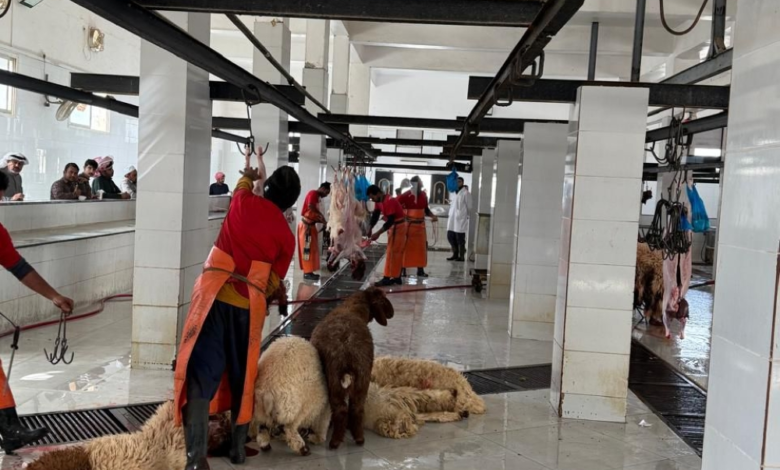

أعلن مكتب وزارة البيئة والمياه والزراعة بمحافظة حفر الباطن عن رفع درجة الجاهزية القصوى في كافة المسالخ ونقاط الذبح المعتمدة بالمحافظة، وذلك تزامناً مع حلول شهر رمضان المبارك. وتأتي هذه الخطوة ضمن خطة تشغيلية متكاملة تهدف إلى ضمان سلامة اللحوم وصلاحيتها للاستهلاك الآدمي، وسط تأكيدات رسمية بعدم التهاون مع أي مخالفات قد تمس الصحة العامة.
خطة رقابية مكثفة لضمان سلامة الغذاء
شرعت الفرق الرقابية التابعة للوزارة في تكثيف جولاتها الميدانية على أسواق النفع العام والمسالخ المركزية والفرعية. وتتضمن الخطة زيادة أعداد الأطباء البيطريين والمشرفين والمراقبين الصحيين لضمان الكشف الدقيق على المواشي قبل الذبح وبعده. وتركز الرقابة على التأكد من خلو الذبائح من الأمراض والآفات، بالإضافة إلى متابعة التزام المشغلين بمعايير النظافة العامة، والتعقيم المستمر للأدوات والمعدات المستخدمة، والتخلص الآمن من المخلفات وفق الاشتراطات البيئية المعتمدة.
السياق العام: حفر الباطن عاصمة الماشية
تكتسب هذه الإجراءات في حفر الباطن أهمية مضاعفة مقارنة بغيرها من المناطق، حيث تُعرف المحافظة تاريخياً واقتصادياً بأنها «عاصمة الماشية» في المملكة العربية السعودية، نظراً لاحتوائها على أكبر سوق للماشية في المنطقة وتعداد ضخم من الثروة الحيوانية. ومع حلول شهر رمضان، يرتفع الطلب على اللحوم الحمراء بشكل كبير جداً لتلبية احتياجات الموائد الرمضانية، مما يضع ضغطاً تشغيلياً هائلاً على المسالخ، ويستوجب تدخلاً تنظيمياً صارماً لمنع أي تجاوزات قد تنتج عن الازدحام أو الرغبة في تسريع العمل على حساب الجودة.
الأهمية الصحية والاقتصادية للرقابة
لا تقتصر أهمية هذه الحملات الرقابية على الجانب التنظيمي فحسب، بل تمتد لتشمل أبعاداً صحية واقتصادية بالغة الأهمية:
- على الصعيد الصحي: تهدف الإجراءات إلى منع انتشار الأمراض المشتركة بين الإنسان والحيوان، وضمان وصول غذاء آمن وصحي للمواطنين والمقيمين خلال الشهر الفضيل، مما يخفف العبء عن القطاع الصحي ويحمي المجتمع من التسممات الغذائية.
- على الصعيد الاقتصادي: يساهم التنظيم الصارم في مكافحة ظاهرة الذبح العشوائي والمسالخ غير النظامية التي تنشط عادة في المواسم، مما يضمن عدالة المنافسة وحماية المستهلك من الغش التجاري أو التلاعب بالأسعار وجودة اللحوم.
دعوة للتعاون والإبلاغ
وفي ختام بيانها، شددت «بيئة حفر الباطن» على أنها ستطبق اللوائح والأنظمة بحق المخالفين دون استثناء، داعية المواطنين والمقيمين إلى التعاون مع الجهات الرقابية من خلال الذبح في المسالخ النظامية الخاضعة للإشراف البيطري، والإبلاغ الفوري عن أي مخالفات أو ملاحظات عبر القنوات الرسمية للوزارة، لضمان بيئة صحية آمنة للجميع.