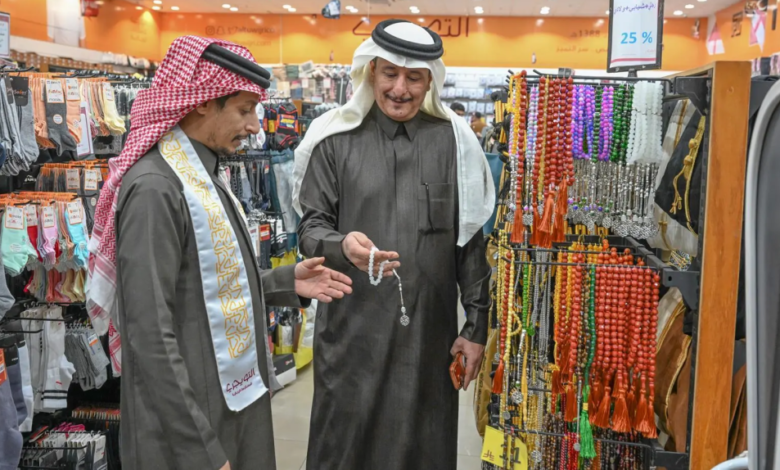
Hail markets are booming and commercial activity is brisk as Eid al-Fitr approaches

A noticeable recovery in Hail markets in preparation for Eid al-Fitr
The markets of Hail are currently experiencing a surge in activity and a large influx of shoppers as the blessed Eid al-Fitr approaches. This vibrancy is evident in the large numbers of families and individuals flocking to shopping centers and traditional markets to purchase everything they need to celebrate this important religious occasion. Men's and women's clothing, fine fabrics, perfumes, oud, incense, accessories, decorative items, and sweets top the list of most sought-after purchases. This lively scene clearly reflects the role of religious seasons in stimulating economic activity and supporting the retail sector in the region.
The cultural and historical context of Eid preparations
Historically, Eid al-Fitr in Islamic and Arab culture represents a significant milestone for joy and social connection following the completion of the fast during Ramadan. In Saudi Arabia, this occasion is deeply rooted in customs and traditions, where wearing new clothes and using the finest oud and perfumes are considered essential practices and fundamental aspects of the celebration. This rich cultural heritage makes the final days of Ramadan an exceptional shopping season, as Saudi families prepare their homes to receive well-wishers, creating a substantial and recurring annual demand that positively impacts various commercial sectors.
Local economic impact and job creation
Locally, the Eid al-Fitr season is one of the most active periods for commercial activity in the Hail region and throughout the Kingdom. Consumer spending increases significantly, contributing to the growth of the wholesale and retail sectors. Shops and major centers compete by offering special promotions and discounts to attract the largest possible number of shoppers. The positive impact extends beyond increased sales, providing numerous seasonal job opportunities for young men and women in sales, marketing, and customer service. This surge in purchasing activity also stimulates supporting sectors such as transportation, supply chains, and logistics related to the provision and distribution of consumer goods.
Regional and international dimensions of market recovery
Regionally and internationally, this seasonal economic recovery carries significant implications. The Saudi market is one of the largest consumer markets in the Middle East, and the surge in domestic demand during holiday seasons leads to a notable increase in imports from global and regional markets, particularly for textiles, foodstuffs, cosmetics, and perfumes. This interconnectedness strengthens intra-regional trade and underscores the strength and resilience of the Saudi economy and its high purchasing power, making it a focal point for investors and international companies seeking to meet the needs of this vast market.
Control efforts to ensure a safe shopping experience
With this surge in demand, the crucial role of regulatory bodies in the Kingdom becomes even more apparent. Inspection teams are intensifying their field visits to markets and shopping centers to ensure the availability of goods, monitor prices, guarantee establishments' compliance with health and safety regulations, and address any violations that could affect consumer health and safety. These integrated efforts ensure a safe and reliable shopping experience and enhance market stability during peak periods.