
في إطار الجهود المكثفة التي تبذلها المملكة العربية السعودية لخدمة حجاج بيت الله الحرام، أعلنت وزارة الشؤون البلدية والقروية والإسكان، ممثلة بأمانة العاصمة المقدسة، عن نتائج أعمالها الرقابية الصحية والغذائية خلال موسم حج عام 1445هـ. حيث تم تنفيذ أكثر من 29 ألف زيارة رقابية ميدانية على مطابخ الإعاشة والمنشآت الغذائية في مكة المكرمة والمشاعر المقدسة، بهدف ضمان أعلى معايير السلامة والجودة في الأغذية المقدمة لضيوف الرحمن.
السياق العام: إدارة الحشود وسلامة الغذاء في الحج
يُعد موسم الحج أكبر تجمع ديني سنوي في العالم، حيث يستقطب ملايين المسلمين من مختلف أنحاء المعمورة. وتشكل إدارة هذا الحدث الهائل تحديًا لوجستيًا كبيرًا، تضع فيه حكومة المملكة العربية السعودية صحة وسلامة الحجاج على رأس أولوياتها. وتاريخيًا، أولت المملكة اهتمامًا بالغًا بتطوير منظومة الخدمات المقدمة للحجاج، ومن ضمنها الرقابة الصحية والغذائية التي تطورت بشكل ملحوظ عبر السنين، من خلال إدخال التقنيات الحديثة وتكثيف الحملات الميدانية لضمان تجربة حج آمنة وصحية للجميع.
تفاصيل الجهود الرقابية لموسم حج 1445هـ
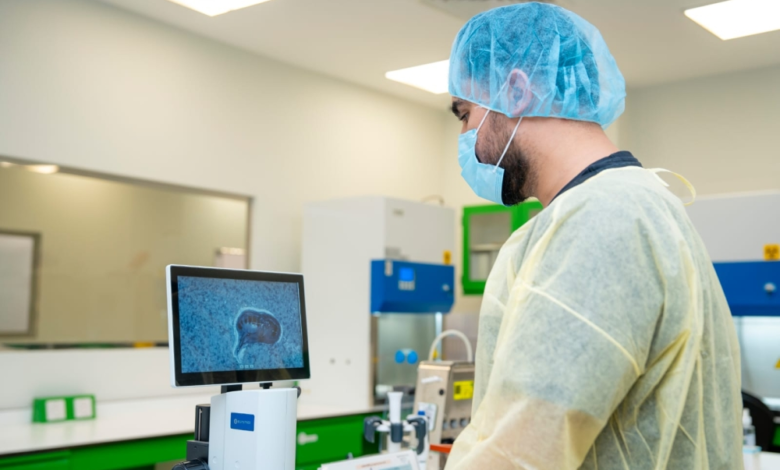
أوضحت الوزارة أن خطتها التشغيلية شملت فحص أكثر من 5 آلاف عينة غذائية في المختبرات الميدانية والثابتة للتأكد من صلاحيتها للاستهلاك الآدمي. وقد غطت الجولات الرقابية نطاقًا واسعًا شمل الأسواق المركزية، ومواقع التخزين، ومراكز الإعاشة، والمطاعم، والباعة المتجولين. هذه الحملات الميدانية تهدف إلى تعزيز مستوى الامتثال للاشتراطات الصحية ورفع وعي العاملين في المنشآت الغذائية بأهمية تطبيق أفضل الممارسات الصحية لضمان سلامة الغذاء.
أهمية الحدث وتأثيره المحلي والدولي
تكتسب هذه الجهود أهمية قصوى على الصعيدين المحلي والدولي. محليًا، تساهم في الحفاظ على الصحة العامة ومنع تفشي أي أمراض منقولة بالغذاء بين الحجاج والمواطنين والمقيمين، مما يعزز الثقة في الخدمات الحكومية. أما دوليًا، فإن نجاح المملكة في تأمين سلامة ملايين الحجاج يعكس قدرتها الفائقة على إدارة الأزمات والتجمعات الكبرى، ويرسل رسالة طمأنة للعالم الإسلامي والدول التي يفد منها الحجاج، مؤكدًا على التزام المملكة بتوفير بيئة آمنة ومريحة لضيوف الرحمن لأداء مناسكهم بيسر وطمأنينة. وقد أثمرت هذه الجهود عن عدم تسجيل أي حالات تسمم غذائي خلال موسم الحج حتى تاريخه، وهو ما يعد نجاحًا كبيرًا للمنظومة الرقابية المتكاملة.
منظومة رقابية متطورة
وأكدت الوزارة أن المنظومة الرقابية الغذائية عملت ميدانيًا عبر خمسة مختبرات متنقلة و10 أجهزة فحص موقعي، مدعومة بنحو 40 سيارة رقابية مجهزة. هذه الإمكانيات عززت من سرعة التحقق من سلامة الأغذية والتعامل الفوري مع أي ملاحظات في المواقع ذات الكثافة العالية، خاصة تلك المرتبطة بحركة الحجاج وتنقلهم بين المشاعر المقدسة، مما يضمن استمرارية تقديم خدمات عالية الجودة على مدار الساعة.