
منظومة متكاملة لإدارة الحشود في موسم الحج
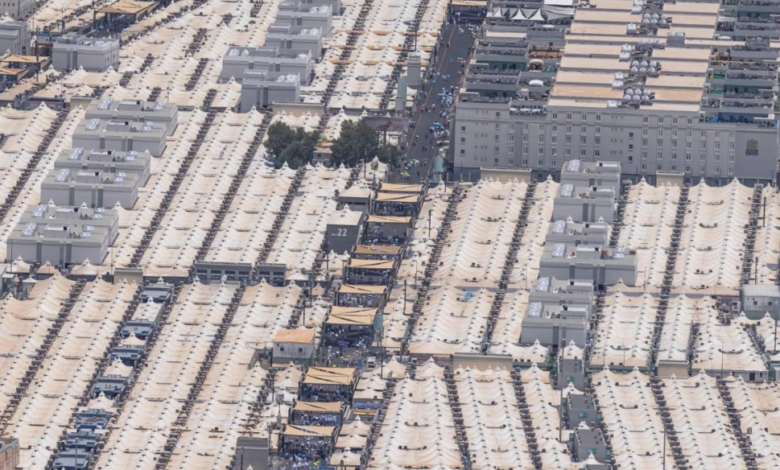
أعلنت وزارة الحج والعمرة عن استكمال جاهزيتها التشغيلية والإدارية لموسم حج عام 1447هـ، وذلك بالتعاون مع كافة الجهات ذات العلاقة، بهدف تنظيم عمليات تفويج الحجاج بين المشاعر المقدسة وضمان سلامتهم. تشمل هذه الخطط المتقدمة جداول زمنية دقيقة لرمي الجمرات، وآليات التنقل عبر قطار المشاعر، وإدارة حركة الحشود البشرية الهائلة لضمان الانسيابية ومنع التكدس، وذلك ضمن منظومة متكاملة تهدف إلى رفع مستويات السلامة وتحسين تجربة ضيوف الرحمن.
وأوضحت الوزارة أن هذه الخطط تعتمد على جدولة دقيقة لتفويج الحجاج، تراعي رغباتهم في أداء النسك وتضمن في الوقت ذاته توزيع الكثافات البشرية بشكل فعال داخل المشاعر المقدسة. وقد تم اختبار كفاءة هذه الخطط عبر تنفيذ تجارب فرضية ميدانية بالتعاون مع الجهات المختصة، بهدف قياس الجاهزية التشغيلية وتوظيف التقنيات الحديثة لمتابعة التزام الحملات والحجاج بجداول التفويج المعتمدة.
خلفية تاريخية وجهود متواصلة
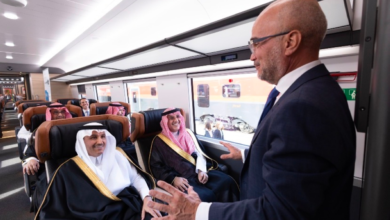
تأتي هذه الإجراءات المتقدمة تتويجًا لعقود من الخبرة والتطوير في إدارة أحد أكبر التجمعات البشرية في العالم. لقد واجهت المملكة العربية السعودية تحديات لوجستية هائلة على مر التاريخ لتنظيم الحج، وشهدت المشاعر المقدسة، وخصوصًا منطقة الجمرات، حوادث تدافع مؤسفة في الماضي. هذه التحديات دفعت إلى استثمارات ضخمة في البنية التحتية، أبرزها مشروع منشأة الجمرات متعددة الطوابق الذي ساهم بشكل جذري في رفع الطاقة الاستيعابية وتنظيم حركة الرمي، بالإضافة إلى شبكة قطار المشاعر التي سهلت التنقل بين عرفات ومزدلفة ومنى، مقللة الاعتماد على الحافلات ومخففة من الازدحام المروري.
أهمية استراتيجية تتجاوز الحدود
إن نجاح إدارة موسم الحج لا يقتصر تأثيره على المستوى المحلي، بل يمتد ليصبح ذا أهمية إقليمية ودولية. فعلى الصعيد المحلي، يعكس النجاح قدرة المملكة على الوفاء بمسؤوليتها كخادمة للحرمين الشريفين وراعية لملايين الحجاج. أما على الصعيد الدولي، فإن سلامة الحجاج وراحتهم هي أولوية قصوى للعالم الإسلامي بأسره. إن التنظيم الفعال يعزز من مكانة المملكة كقائدة للعالم الإسلامي، ويقدم نموذجًا عالميًا في إدارة الحشود الضخمة باستخدام أحدث التقنيات، مثل بطاقة “نسك” الذكية التي تربط الحاج بكافة الخدمات والجداول الزمنية، وأنظمة المراقبة المتقدمة التي تتيح اتخاذ قرارات فورية للتعامل مع أي متغيرات ميدانية.
نموذج تشغيلي مستدام
وأشارت الوزارة إلى أنها تعمل على تطوير نموذج تشغيلي مستدام لإدارة حركة الحجاج زمنيًا ومكانيًا انطلاقًا من مخيماتهم، بما يعزز الاستفادة القصوى من الطاقات الاستيعابية في منشأة الجمرات ومحطات قطار المشاعر. وأكدت على استمرار التنسيق الميداني عبر نموذج قيادة مشتركة مع الجهات المعنية، مما يتيح سرعة تبادل المعلومات والتعامل الفوري مع المتغيرات التشغيلية. وفي ختام بيانها، دعت وزارة الحج والعمرة ضيوف الرحمن إلى الالتزام الكامل بجداول التفويج والتعليمات التنظيمية، مؤكدة أن هذا الالتزام هو حجر الزاوية في تحقيق سلامتهم وتأمين انسيابية الحركة خلال موسم الحج.