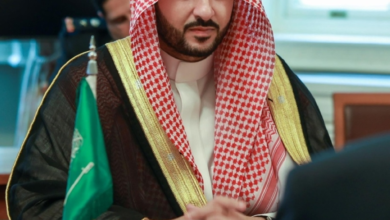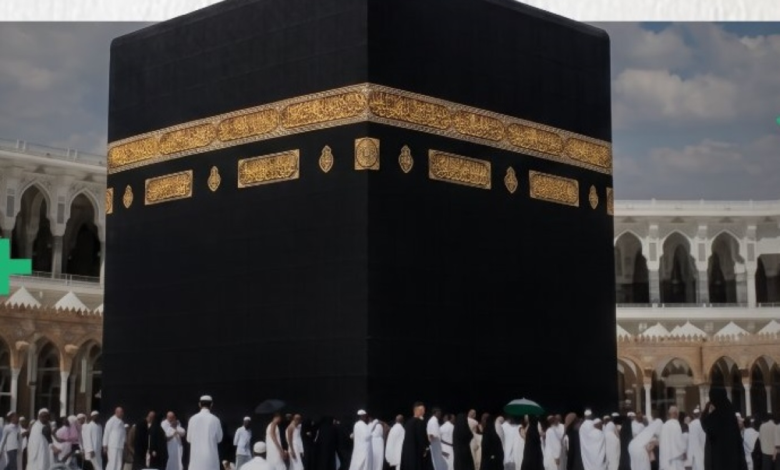

بتوجيه من صاحب السمو الملكي الأمير خالد الفيصل، مستشار خادم الحرمين الشريفين أمير منطقة مكة المكرمة رئيس لجنة الحج الدائمة، ترأس نائبه صاحب السمو الملكي الأمير سعود بن مشعل بن عبدالعزيز، اجتماع اللجنة لمناقشة واستعراض خطط الجهات المعنية وجاهزيتها لموسم حج عام 1447هـ. ويأتي هذا الاجتماع المبكر في إطار الحرص الدائم على التخطيط الاستباقي لضمان تقديم أرقى الخدمات لضيوف الرحمن وتوفير تجربة حج آمنة وميسرة.
السياق التاريخي لتنظيم مواسم الحج
تولي المملكة العربية السعودية، بصفتها خادمة الحرمين الشريفين، أهمية قصوى لتنظيم شعيرة الحج التي تعد أحد أركان الإسلام الخمسة وتستقطب ملايين المسلمين من شتى بقاع الأرض سنوياً. وعلى مر العقود، استثمرت المملكة في مشاريع بنية تحتية ضخمة لتسهيل أداء المناسك، شملت توسعات تاريخية للمسجد الحرام والمسجد النبوي، وتطوير منطقة المشاعر المقدسة (منى، عرفات، مزدلفة)، وإنشاء جسر الجمرات متعدد الطوابق، وقطار المشاعر، وغيرها من المشاريع التي تهدف إلى تعزيز إدارة الحشود وضمان سلامة الحجاج وراحتهم. وتعد لجنة الحج الدائمة الذراع التنسيقي الرئيسي الذي يجمع كافة القطاعات الحكومية والخاصة لتوحيد الجهود وتحقيق أعلى مستويات الكفاءة التشغيلية.
استعراض شامل للخطط التشغيلية
شهد الاجتماع استعراضاً مفصلاً للاستعدادات والخطط التشغيلية لمختلف القطاعات المشاركة في خدمة الحجاج. واطلعت اللجنة على جاهزية المرافق الحيوية والمخيمات والمشاريع الجديدة في المشاعر المقدسة. وركزت النقاشات على سبل تعزيز التكامل والمواءمة بين كافة الجهات لضمان انسيابية الحركة وفعالية الخدمات. وشملت المحاور الرئيسية خطط النقل والتفويج، والخدمات الصحية والوقائية، والإمداد والتموين، وخدمات الاتصالات والتقنية، بالإضافة إلى الخطط الأمنية والمرورية لضمان سلامة ضيوف الرحمن. وأكد الاجتماع على أهمية رفع كفاءة التنسيق والتواصل المباشر بين الفرق الميدانية للاستجابة السريعة لأي طارئ.
الأهمية الاستراتيجية ومواكبة رؤية 2030
تنسجم هذه الجهود التنظيمية مع مستهدفات رؤية المملكة 2030، التي تهدف إلى إثراء التجربة الدينية والثقافية للحجاج والمعتمرين. إن نجاح موسم الحج لا يعزز فقط من مكانة المملكة على الساحة الإسلامية والدولية، بل له تأثير اقتصادي واجتماعي كبير على الصعيد المحلي، حيث يوفر آلاف الفرص الوظيفية الموسمية وينشط الحركة الاقتصادية في مكة المكرمة والمدينة المنورة. وفي ختام الاجتماع، اتخذت اللجنة التوصيات اللازمة التي تهدف في مجملها إلى الارتقاء بمنظومة الحج، بما يتماشى مع توجيهات القيادة الرشيدة لتقديم تجربة روحانية فريدة وميسرة لجميع الحجاج.