
استعداداً لموسم الحج.. الهيئة العامة للطرق تصدر دليل إرشادي متكامل لعام 1447
في إطار استعداداتها المكثفة لاستقبال ضيوف الرحمن، أعلنت الهيئة العامة للطرق في المملكة العربية السعودية عن إصدار “دليل الطرق لموسم حج 1447هـ”. يهدف هذا الدليل الشامل، الذي تم توفيره باللغتين العربية والإنجليزية، إلى خدمة حجاج بيت الله الحرام القادمين براً من داخل المملكة وخارجها، وضمان وصولهم إلى مكة المكرمة والمشاعر المقدسة بكل يسر وأمان.
أهمية الدليل في سياق خدمة الحجيج
يمثل موسم الحج تحدياً لوجستياً هائلاً تتضافر فيه جهود كافة قطاعات الدولة لخدمة الملايين من الحجاج. وتاريخياً، كانت رحلة الحج محفوفة بالمشقة، حيث كان الحجاج يسلكون دروباً صحراوية وعرة لأشهر طويلة. أما اليوم، فقد سخرت المملكة بنية تحتية متطورة من الطرق والجسور والأنفاق لتسهيل هذه الرحلة الإيمانية. ويأتي هذا الدليل كأداة تقنية حديثة تعكس التطور المستمر في منظومة الخدمات المقدمة، حيث يضع بين يدي الحاج خريطة طريق واضحة، مما يقلل من احتمالية الضياع ويعزز من السلامة المرورية على الطرق المزدحمة خلال الموسم.
التأثير المحلي والإقليمي لمبادرات الطرق
على الصعيد المحلي، يساهم الدليل في تنظيم حركة السير وتوزيع الكثافة المرورية على مختلف المحاور المؤدية إلى مكة المكرمة، الأمر الذي ينعكس إيجاباً على تجربة الحاج والمواطن والمقيم على حد سواء. أما إقليمياً، فيكتسب الدليل أهمية خاصة للحجاج القادمين من دول الجوار، حيث يوفر لهم معلومات دقيقة عن المنافذ الحدودية والمسارات المعتمدة داخل الأراضي السعودية، مما يعزز التكامل الإقليمي ويسهل حركة التنقل بين دول مجلس التعاون الخليجي والدول العربية المجاورة.
تفاصيل المسارات والطرق في دليل حج 1447
يقدم الدليل عرضاً مفصلاً لشبكة الطرق البرية التي تربط المملكة بدول الجوار، بالإضافة إلى الطرق الرئيسية الداخلية. يمكن تحميل الدليل مباشرة من الروابط التالية:
أولاً: الطرق البرية الدولية
يشمل الدليل المسارات القادمة من 8 دول مجاورة، وهي:
- من سلطنة عمان: عبر طريق الربع الخالي (أم الزمول – البطحاء – سلوى – الهفوف – مكة) بمسافة 2150 كم.
- من الإمارات العربية المتحدة: عبر منفذ البطحاء (البطحاء – سلوى – الهفوف – الرياض – مكة) بمسافة 1514 كم.
- من قطر: عبر منفذ سلوى (سلوى – الهفوف – الرياض – مكة) بمسافة 1385 كم.
- من البحرين: عبر جسر الملك فهد (الخبر – الرياض – مكة) بمسافة 1320 كم.
- من الكويت: عبر طريقين، الأول من الخفجي (1473 كم) والثاني من الرقعي (1277 كم).
- من العراق: عبر منفذ جديدة عرعر (عرعر – سكاكا – المدينة المنورة – مكة) بمسافة 1579 كم.
- من الأردن: عبر طريقين، الأول من حالة عمار (1219 كم) والثاني من الحديثة (1545 كم).
- من اليمن: عبر منفذ الوديعة (الوديعة – نجران – أبها – مكة) بمسافة 1372 كم.
ثانياً: الطرق الداخلية الرئيسية
يبرز الدليل أيضاً أهم الطرق الحيوية داخل المملكة التي يسلكها الحجاج، ومنها:
- طريق الهجرة: يربط بين المدينة المنورة ومكة المكرمة بطول 420 كم.
- طريق السيل الكبير: يربط بين الرياض والطائف ومكة بطول 80 كم (الجزء الأخير).
- طريق الأمير محمد بن سلمان: يربط بين جدة ومكة المكرمة بطول 70 كم.
خدمات مبتكرة على الطريق
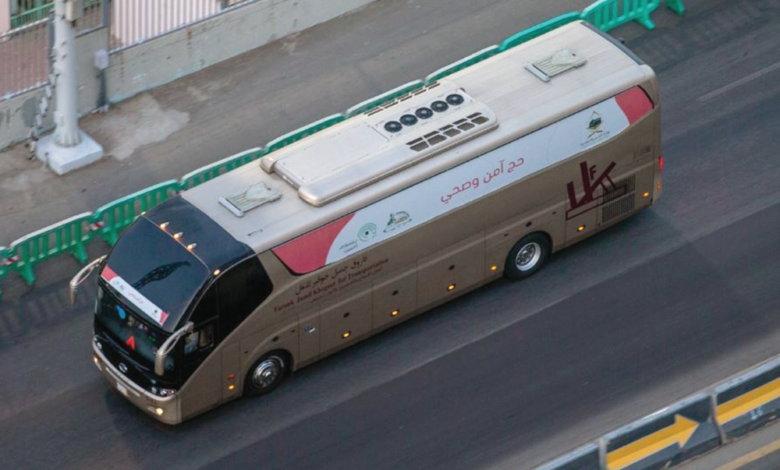
لا يقتصر دور الهيئة على توفير المعلومات، بل يمتد لتقديم خدمات ميدانية مبتكرة لضمان راحة الحجاج، مثل “خيمة الطريق” التي توفر مكاناً مريحاً للاستراحة، ومبادرات تزويد المركبات بالوقود عند انقطاعها، وتوفير مركبات مجهزة لنقل الحجاج في حال تعطل حافلاتهم.
إرشادات السلامة وأرقام الطوارئ
يحتوي الدليل على قسم خاص بإرشادات القيادة الآمنة، ومعاني اللوحات الإرشادية والتحذيرية، بالإضافة إلى قائمة بأهم أرقام الطوارئ للجهات المعنية مثل أمن الطرق، والدفاع المدني، والهلال الأحمر، لضمان استجابة سريعة في الحالات الطارئة.