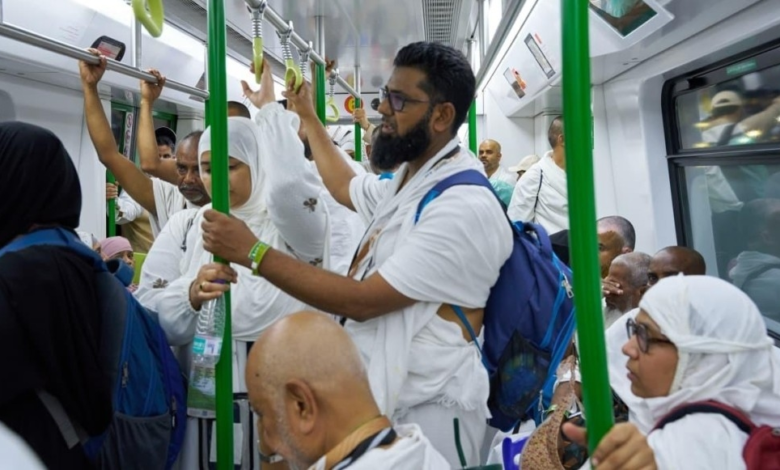

أعلنت الهيئة العامة للنقل عن نجاح الخطط التشغيلية والرقابية لـ منظومة النقل في موسم حج 1447هـ، حيث أكدت المؤشرات والأرقام المسجلة تحقيق مستويات عالية من الجاهزية والتكامل بين مختلف وسائط النقل. وأسهم هذا النجاح في تعزيز انسيابية حركة الحجاج ورفع جودة الخدمات المقدمة لهم، مما ضمن لهم تأدية مناسكهم براحة وطمأنينة منذ وصولهم إلى المملكة وحتى مغادرتهم.
وتأتي إدارة الحشود والنقل خلال موسم الحج كواحدة من أكبر التحديات اللوجستية في العالم، حيث تتطلب استضافة ملايين الحجاج في بقاع جغرافية محدودة وخلال فترة زمنية قصيرة تخطيطًا استراتيجيًا وبنية تحتية متطورة. وعلى مر العقود، استثمرت المملكة العربية السعودية بشكل مكثف في تطوير قطاع النقل في المشاعر المقدسة، محولةً إياه من وسائل تقليدية إلى منظومة حديثة ومتكاملة تشمل القطارات والحافلات والتقنيات الذكية، وهو ما يجسد التزامها بخدمة ضيوف الرحمن كجزء أساسي من رؤية السعودية 2030.
بنية تحتية متكاملة لضمان انسيابية الحركة
أوضحت الهيئة أنها جهزت أسطولًا ضخمًا لخدمة الحجاج، شمل أكثر من 33 ألف حافلة مجهزة بأحدث وسائل السلامة وتتوافق مع معايير الجودة المعتمدة، بالإضافة إلى توفير أكثر من 5 آلاف سيارة أجرة. ولدعم هذه الشبكة الواسعة، تم تخصيص 32 مسارًا للحافلات بين المدن، والتي قامت بتسيير 1193 رحلة أسبوعيًا عبر 139 حافلة مهيأة، مما وفر خيارات نقل متنوعة وموثوقة بين المواقع الرئيسية والمشاعر المقدسة.
ولضمان تطبيق أعلى معايير الامتثال والسلامة، سخّرت الهيئة فريقًا ميدانيًا مكونًا من 300 كادر بشري متخصص، انتشروا في 50 موقعًا حيويًا لمتابعة الأعمال التشغيلية والرقابية على مدار الساعة. وشملت الجهود الرقابية تنفيذ أكثر من 400 ألف عملية فحص ميداني، وتفعيل ما يزيد عن 950 نظام رصد آلي لضبط امتثال مركبات النقل في مكة المكرمة والمدينة المنورة.
مؤشرات أداء قياسية تعكس نجاح منظومة النقل في موسم الحج
عكست أرقام الأداء المستوى المتميز الذي وصلت إليه الخدمات، حيث حققت منظومة النقل معدلات امتثال مرتفعة بلغت 90% للأنظمة والاشتراطات العامة للنقل البري. وسجلت حركة القطارات التزامًا كاملًا بالجداول الزمنية بنسبة 100%، بينما تجاوز معدل انضباط رحلات الحافلات بين المدن نسبة 96%. هذه الأرقام لم تكن مجرد إحصائيات، بل ترجمت إلى تجربة حج أكثر يسرًا وسلاسة لضيوف الرحمن.
وفي إطار تعزيز جودة الخدمات والاستجابة السريعة، عالجت الهيئة أكثر من 2500 بلاغ في مكة المكرمة والمدينة المنورة، كما أجرت أكثر من 13 ألف استطلاع لقياس رضا الحجاج عن خدمات النقل، بهدف التطوير المستمر وتحسين التجربة. وأكدت الهيئة أن هذا النجاح هو ثمرة التكامل بين كافة الجهات المعنية، ويعكس الجاهزية التشغيلية والرقابية التي تهدف إلى تقديم خدمات نقل آمنة ومنظمة وموثوقة لدعم رحلة الحجاج الإيمانية.