
تفاصيل اجتماع لجنة الحج المركزية واستعدادات موسم 1447هـ
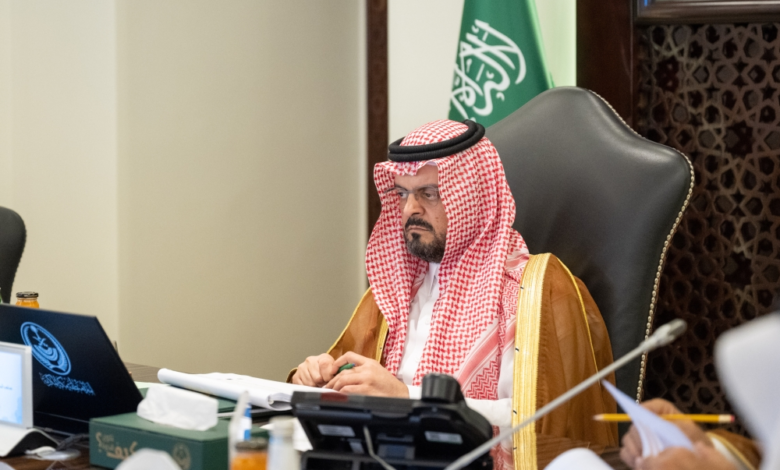
في إطار الجهود المستمرة التي تبذلها حكومة المملكة العربية السعودية لخدمة ضيوف الرحمن، ترأس صاحب السمو الملكي الأمير سعود بن مشعل بن عبدالعزيز، نائب أمير منطقة مكة المكرمة، اجتماع اللجنة الدائمة للحج والعمرة. جاء هذا الاجتماع الهام بتوجيه مباشر من مستشار خادم الحرمين الشريفين أمير منطقة مكة المكرمة رئيس لجنة الحج المركزية، صاحب السمو الملكي الأمير خالد الفيصل. وفي مستهل الاجتماع، شدد سمو نائب أمير المنطقة على الأهمية القصوى لتنفيذ توجيهات القيادة الرشيدة، والتي تؤكد دوماً على ضرورة الاستعداد المبكر لموسم الحج، وتكامل جهود كافة القطاعات الحكومية والخاصة لتقديم أرقى الخدمات لحجاج بيت الله الحرام.
السياق العام والجهود التاريخية للمملكة في خدمة الحجاج
تاريخياً، تولي المملكة العربية السعودية منذ توحيدها على يد الملك المؤسس عبدالعزيز آل سعود -طيب الله ثراه- اهتماماً بالغاً وعناية فائقة بالحرمين الشريفين وقاصديهما. وفي العصر الحديث، تبلورت هذه الجهود بشكل مؤسسي ومبتكر من خلال “برنامج خدمة ضيوف الرحمن”، أحد أهم برامج رؤية السعودية 2030. يهدف هذا البرنامج إلى إحداث نقلة نوعية في تجربة الحج والعمرة، من خلال تطوير البنية التحتية، وتوظيف التقنيات الذكية، وتسهيل الإجراءات، مما يعكس التزام المملكة الراسخ بتوفير بيئة آمنة وصحية وروحانية لملايين المسلمين الذين يتوافدون سنوياً من شتى بقاع الأرض.
استعراض خطط التفويج ومغادرة المعتمرين
خلال الاجتماع، استعرضت اللجنة آخر المستجدات المتعلقة بمغادرة المعتمرين إلى بلدانهم بسلامة الله وحفظه بعد أداء مناسكهم بكل يسر وسهولة. وتم التركيز بشكل خاص على توفير كافة سبل الراحة والعناية بهم في المنافذ البرية والبحرية والجوية. وبالتوازي مع ذلك، جرى استعراض جاهزية خطط الجهات المعنية لموسم حج 1447هـ، حيث تم تقييم جهود القطاعات الأمنية في نقاط الفرز وعلى جميع مداخل العاصمة المقدسة لضمان انسيابية الحركة ومنع أي تجاوزات قد تؤثر على أمن وسلامة الحجاج.
المشاريع الحيوية والفرضيات الميدانية بالعاصمة المقدسة
لم يقتصر الاجتماع على الجوانب التنظيمية فحسب، بل امتد ليشمل متابعة سير العمل في المشاريع الحيوية والتطويرية في مكة المكرمة والمشاعر المقدسة (منى، ومزدلفة، وعرفات). كما تم تسليط الضوء على الفرضيات الميدانية المنفذة من قبل الدفاع المدني والجهات الصحية والأمنية، والتي تهدف إلى ضمان أعلى درجات الجاهزية للتعامل مع أي طوارئ محتملة. هذه الاستعدادات الاستباقية تضمن تمكين الحجيج من أداء مناسكهم بيسر وطمأنينة.
الأهمية الاستراتيجية والتأثير المتوقع لموسم الحج
يحمل نجاح موسم الحج تأثيراً بالغ الأهمية على مستويات متعددة. محلياً، يساهم في تعزيز الاقتصاد الوطني وتنشيط الحركة التجارية في مكة المكرمة، فضلاً عن خلق آلاف الفرص الوظيفية الموسمية للشباب السعودي. وإقليمياً ودولياً، يعزز التنظيم المثالي للحج من مكانة المملكة كقائدة للعالم الإسلامي، ويبرز قدراتها الفائقة في إدارة الحشود الضخمة وتوفير الرعاية الصحية والأمنية لملايين البشر في مساحة جغرافية محدودة ووقت زمني قصير. وفي ختام الاجتماع، ناقشت اللجنة عدداً من الموضوعات المدرجة على جدول الأعمال، واتخذت حيالها التوصيات اللازمة لضمان خروج موسم حج 1447هـ بأبهى صورة تليق بمكانة المملكة.