
متابعة دقيقة لمرضى السكري من الحجاج بتقنيات متطورة
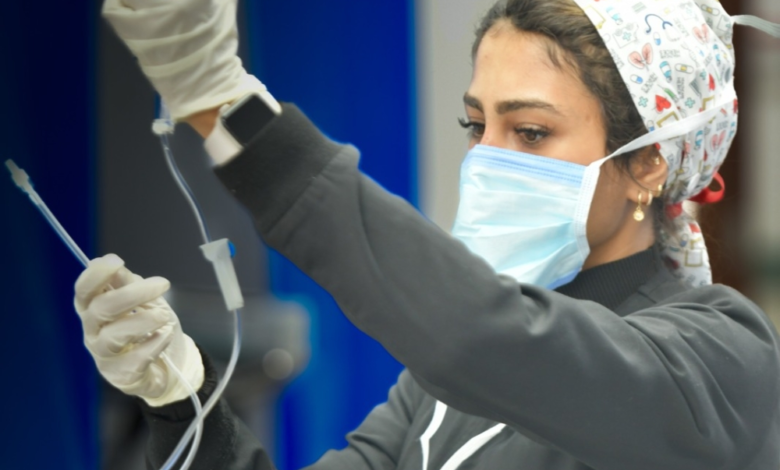
في خطوة رائدة تهدف إلى تسخير أحدث التقنيات لخدمة ضيوف الرحمن، أطلقت “الصحة القابضة” والتجمعات الصحية التابعة لها مبادرة “حج بصحة” لموسم حج 1445هـ، والتي تتضمن متابعة دقيقة للحجاج المصابين بداء السكري عبر تركيب أكثر من 3000 حساس رقمي ذكي. تأتي هذه المبادرة، التي تمت بالشراكة مع البنك العربي الوطني، لتعزيز سلامة الحجاج وتقديم رعاية صحية استباقية، بما يتماشى مع مستهدفات برنامج تحول القطاع الصحي ورؤية السعودية 2030 التي تهدف إلى رفع جودة الخدمات وتسهيل وصول ضيوف الرحمن إليها.
جهود تاريخية ورؤية مستقبلية للرعاية الصحية في الحج
لطالما أولت المملكة العربية السعودية اهتماماً بالغاً بصحة وسلامة حجاج بيت الله الحرام، حيث تطورت الخدمات الصحية المقدمة لهم على مر العقود من مجرد فرق طبية ومستشفيات ميدانية إلى منظومة صحية متكاملة ومدعومة بالتقنية. وتُعد مبادرة “حج بصحة” امتداداً طبيعياً لهذه الجهود، حيث تنقل الرعاية الصحية من المفهوم التقليدي القائم على العلاج إلى مفهوم حديث يركز على الوقاية والمراقبة المستمرة، خاصة لأصحاب الأمراض المزمنة الذين قد تتأثر حالتهم الصحية بالمجهود البدني الكبير المصاحب لأداء المناسك في ظل درجات حرارة مرتفعة.
آلية عمل الحساسات الذكية ودورها في الوقاية
تعتمد المبادرة على استخدام حساسات رقمية متقدمة للمراقبة المستمرة لمستويات الجلوكوز في الدم (CGM). يتم تركيب هذه الحساسات الصغيرة على أجساد الحجاج المستهدفين، لتقوم بقياس نسبة السكر في الدم على مدار الساعة وإرسال البيانات لاسلكياً إلى منصة متابعة مركزية يشرف عليها أطباء متخصصون. تتيح هذه التقنية للفريق الطبي التدخل السريع والفوري قبل حدوث أي مضاعفات خطيرة، مثل نوبات ارتفاع أو انخفاض السكر الحادة، مما يقلل من الحاجة إلى زيارات طارئة للمستشفيات ويضمن للحاج أداء مناسكه بطمأنينة ويسر.
تأثير المبادرة على تجربة الحج والمنظومة الصحية
يتجاوز تأثير هذه المبادرة حدود الرعاية الفردية، ليمتد إلى المنظومة الصحية بأكملها. فعلى المستوى المحلي، تساهم في رفع جودة الخدمات الصحية المقدمة وتجسد التحول الرقمي الذي تسعى إليه المملكة. أما على المستوى الدولي، فإنها تعزز من مكانة السعودية كدولة رائدة في إدارة الحشود وتقديم الخدمات المبتكرة خلال أكبر تجمع ديني في العالم. كما تقدم نموذجاً يمكن الاستفادة منه عالمياً في إدارة الصحة العامة خلال الفعاليات الكبرى. وقد استهدفت الحملة في نسختها الحالية استفادة أكثر من 160 ألف حاج، بعد النجاح الذي حققته في العام الماضي والذي استفاد منه 123 ألف حاج وأُجري خلاله أكثر من 224 ألف فحص طبي.
برامج تثقيفية متكاملة لدعم الحجاج
إلى جانب المراقبة التقنية، شملت المبادرة تنفيذ برامج تثقيف وتدريب صحي متخصصة للحجاج المشاركين. ركزت هذه البرامج على جوانب حيوية مثل التغذية السليمة خلال الحج، وأهمية الالتزام بالأدوية، وكيفية ممارسة النشاط البدني بأمان. يهدف هذا النهج المتكامل إلى تمكين الحجاج من إدارة حالتهم الصحية بفعالية، ورفع مستوى الوعي الصحي لديهم، وتعزيز السلوكيات الآمنة لضمان تجربة حج صحية وآمنة من كافة الجوانب.