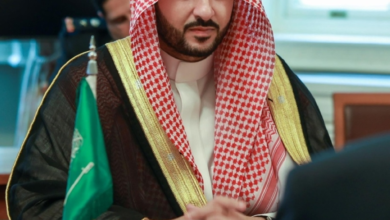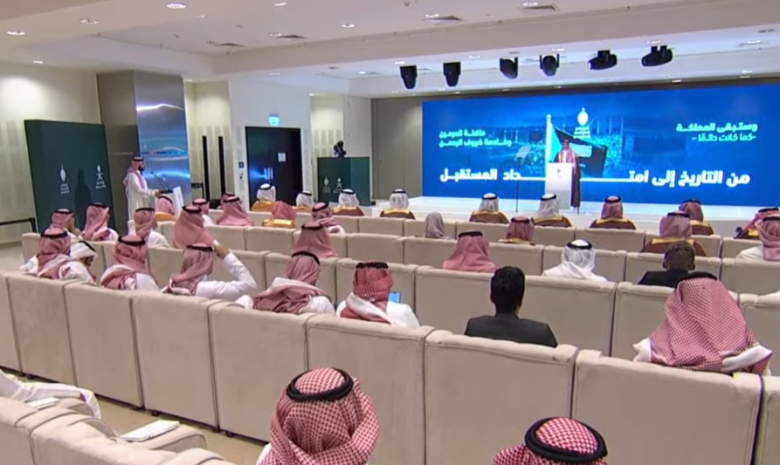

أعلن معالي وزير الحج والعمرة، الدكتور توفيق بن فوزان الربيعة، عن وصول أكثر من 860 ألف حاج إلى المملكة العربية السعودية حتى الآن، وذلك في إطار الاستعدادات لموسم حج عام 1445هـ. جاء هذا التصريح خلال المؤتمر الصحفي الحكومي الذي سلط الضوء على جاهزية مختلف القطاعات لخدمة ضيوف الرحمن. وأوضح الربيعة أن الغالبية العظمى من الحجاج، بواقع 820 ألف حاج، قدموا عبر المنافذ الجوية، بينما وصل 35 ألفاً عن طريق البر و4 آلاف عبر البحر. كما أشار إلى النجاح المستمر لـ “مبادرة طريق مكة”، التي استفاد منها أكثر من 240 ألف حاج هذا العام، مما يسهل إجراءات دخولهم إلى المملكة بشكل كبير.
الحج: رحلة إيمانية وتاريخ عريق
يعد الحج ركناً خامساً من أركان الإسلام، وشعيرة دينية يتوق إليها أكثر من ملياري مسلم حول العالم. فهو رحلة إيمانية إلى مكة المكرمة يتوجب على كل مسلم بالغ وقادر القيام بها مرة واحدة في العمر. تمتد جذور هذه الفريضة إلى عهد النبي إبراهيم عليه السلام، وتتضمن سلسلة من المناسك التي تعزز قيم المساواة والتجرد والوحدة بين المسلمين، حيث يجتمعون من كل فج عميق، متجردين من كل مظاهر الدنيا، بلباس الإحرام الأبيض الموحد، لأداء الطواف والسعي والوقوف بعرفة، وغيرها من الشعائر التي ترمز إلى التوبة والتجديد الروحي.
جهود المملكة في خدمة ضيوف الرحمن ورؤية 2030
وتضع قيادة المملكة العربية السعودية خدمة ضيوف الرحمن في صدارة أولوياتها، مسخرة كافة الإمكانيات لضمان راحتهم وسلامتهم. وتأتي هذه الجهود المتكاملة ضمن مستهدفات “رؤية السعودية 2030” التي تهدف إلى إثراء التجربة الدينية للحجاج والمعتمرين. وفي هذا السياق، شهدت المشاعر المقدسة مشاريع تطويرية ضخمة، حيث نفذت الهيئة الملكية لمدينة مكة المكرمة والمشاعر المقدسة أكثر من 25 مشروعاً تطويرياً بزيادة 100% عن العام الماضي. كما تم التوسع في استخدام التقنية لتيسير رحلة الحج، حيث تجاوز عدد مستخدمي تطبيق “نسك” 51 مليون مستخدم، والذي يقدم باقة متكاملة من الخدمات الرقمية.
الأهمية العالمية لموسم الحج
لا يقتصر تأثير موسم الحج على الجانب الديني فحسب، بل يمتد ليشمل أبعاداً اقتصادية واجتماعية ودولية بالغة الأهمية. فعلى الصعيد المحلي، يمثل الحج رافداً اقتصادياً حيوياً، إذ ينشط قطاعات النقل والإسكان والخدمات والتجزئة. وعلى المستوى الدولي، يعد الحج أكبر تجمع بشري سنوي في العالم، مما يعزز أواصر الأخوة بين الشعوب الإسلامية ويقوي الروابط الدبلوماسية بين المملكة وأكثر من 126 دولة. وتبرز مبادرات مثل “المشاعر الخضراء” بزراعة أكثر من 60 ألف شجرة، واستخدام أكثر من 6 آلاف عمود رذاذ لتلطيف الأجواء، التزام المملكة بالاستدامة البيئية وتحسين جودة الحياة في المشاعر المقدسة.
واختتم الوزير حديثه بالتأكيد على أن جميع الجهات الحكومية والخاصة تعمل كمنظومة واحدة متناغمة لتقديم أرقى الخدمات، وضمان أن يؤدي الحجاج مناسكهم في طمأنينة ويسر، حاملين معهم ذكريات إيمانية لا تُنسى. وتستمر المملكة في استقبال أفواج الحجيج مع اقتراب يوم التروية، وسط استعدادات متكاملة لضمان نجاح موسم الحج هذا العام.