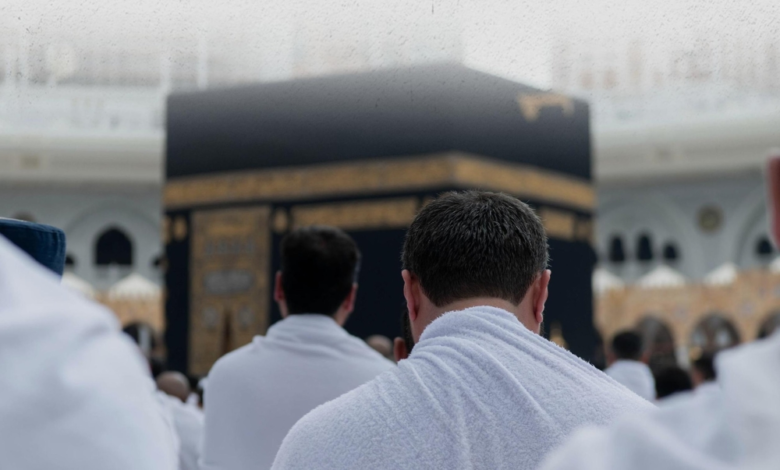
في إنجاز جديد يعكس كفاءة الخطط التشغيلية والقدرة الاستيعابية المتزايدة للحرمين الشريفين، أعلنت وزارة الحج والعمرة بالتعاون مع الهيئة العامة للعناية بشؤون المسجد الحرام والمسجد النبوي، عن أرقام قياسية جديدة تتعلق بأعداد المعتمرين. حيث كشفت الإحصاءات الرسمية أن إجمالي مرات أداء العمرة للمعتمرين من داخل المملكة العربية السعودية وخارجها خلال شهر جمادى الآخرة فقط قد تجاوز حاجز الـ (11.9) مليون مرة، وهو رقم يعكس وتيرة متصاعدة في الإقبال على المشاعر المقدسة.
تفاصيل الإحصائيات وأعداد المعتمرين
أوضحت البيانات التفصيلية الصادرة عن الجهات المعنية أن هذا الرقم الضخم يتضمن المعتمرين من المواطنين والمقيمين، بالإضافة إلى ضيوف الرحمن القادمين من الخارج. وقد سجلت الإحصائية أن عدد المعتمرين القادمين من خارج المملكة خلال الشهر ذاته تجاوز (1.7) مليون معتمر، توافدوا من مختلف الدول الإسلامية والعالمية. ويأتي هذا التدفق الكبير نتاجاً للتسهيلات اللوجستية وتعدد خيارات التأشيرات التي أتاحتها المملكة مؤخراً، مما سهل إجراءات القدوم وأداء المناسك بيسر وطمأنينة.
رؤية 2030 والتحول الرقمي في خدمة ضيوف الرحمن
لا يمكن قراءة هذه الأرقام بمعزل عن السياق العام لـ "رؤية المملكة 2030"، التي تضع خدمة ضيوف الرحمن على رأس أولوياتها. تهدف الرؤية إلى رفع الطاقة الاستيعابية لاستقبال 30 مليون معتمر سنوياً بحلول عام 2030. ولتحقيق ذلك، استثمرت المملكة بشكل مكثف في البنية التحتية الرقمية، مثل منصة "نسك" الموحدة التي يسرت حجز التصاريح وباقات العمرة إلكترونياً، مما ألغى العديد من الحواجز البيروقراطية السابقة وساهم في رفع جودة التجربة الدينية.
تطوير منظومة الخدمات والبنية التحتية
يعزى هذا النجاح في إدارة الحشود المليونية إلى التطور الهائل في منظومة النقل والخدمات، بما في ذلك قطار الحرمين السريع وتوسعة المطاف والساحات الشمالية، مما سمح باستيعاب أعداد أكبر في وقت واحد مع الحفاظ على انسيابية الحركة. وتعمل الهيئة العامة للعناية بشؤون المسجد الحرام والمسجد النبوي على مدار الساعة لضمان نظافة وتطهير الحرمين، وتوفير خدمات السقيا والتوجيه والإرشاد بلغات متعددة، لضمان أن يؤدي كل معتمر نسكه في أجواء روحانية آمنة.
Economic and social impact
إلى جانب البعد الديني والروحاني، يحمل هذا الارتفاع في أعداد المعتمرين دلالات اقتصادية واجتماعية هامة، حيث يسهم في تنشيط قطاعات الضيافة، النقل، والتجزئة في مكة المكرمة والمدينة المنورة. كما يعزز من مكانة المملكة كحاضنة للعالم الإسلامي، مؤكدةً قدرتها العالية على إدارة الحشود البشرية الضخمة بكفاءة واقتدار، ومواصلة مسيرة التطوير لتحقيق تجربة دينية متكاملة وميسرة لكل مسلم يرغب في زيارة البيت العتيق.