
مع تزايد وتيرة وصول ضيوف الرحمن إلى الأراضي المقدسة لأداء فريضة الحج، تواصل وزارة الحج والعمرة جهودها الحثيثة لضمان توفير أرقى مستويات الخدمة والراحة للحجاج. وفي هذا الإطار، كثفت الوزارة جولاتها الرقابية والميدانية على كافة مواقع تقديم الخدمات في مكة المكرمة والمدينة المنورة، بهدف الوقوف على جاهزيتها الكاملة والارتقاء بجودة الخدمات المقدمة، بما يضمن للحجاج أداء مناسكهم في يسر وطمأنينة.
خطة رقابية متكاملة لخدمة الحجيج
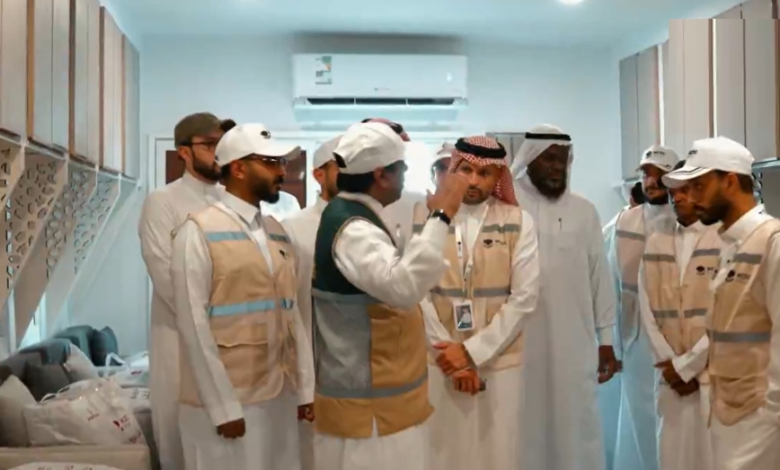
شملت الجولات الرقابية المكثفة طيفًا واسعًا من المرافق الحيوية، بدءًا من مساكن الحجاج ومراكز الضيافة، مرورًا بمرافق الإعاشة وخدمات النقل، وانتهاءً بمواقع الاستقبال والتفويج. وتتم هذه الجولات بالتعاون الوثيق مع الجهات ذات العلاقة، مثل وزارة السياحة والجهات الأمنية، لضمان تكامل الأدوار وتحقيق أعلى معايير الامتثال للاشتراطات المعتمدة. وتهدف هذه الجهود الاستباقية إلى التأكد من التزام شركات ومقدمي خدمات الحج بالمعايير والجودة المتفق عليها في عقودهم، ومعالجة أي ملاحظات أو قصور بشكل فوري قبل تفاقمها.
السياق التاريخي وأهمية إدارة الحج
تعتبر إدارة وتنظيم الحج مسؤولية تاريخية عظيمة تضطلع بها المملكة العربية السعودية، التي اكتسبت على مر العقود خبرات تراكمية هائلة في إدارة الحشود وتقديم الخدمات لملايين الحجاج القادمين من مختلف أنحاء العالم. ويُعد الحج، الذي هو الركن الخامس من أركان الإسلام، أكبر تجمع بشري سنوي في العالم، مما يفرض تحديات لوجستية وأمنية وصحية استثنائية. وتأتي هذه الاستعدادات السنوية كجزء من منظومة عمل متكاملة تسخر فيها المملكة كافة إمكانياتها المادية والبشرية، وتستثمر في تطوير البنية التحتية للمشاعر المقدسة بشكل مستمر، بما يتماشى مع أهداف رؤية المملكة 2030 التي تهدف إلى تحسين تجربة الحجاج والمعتمرين.
التأثير المحلي والدولي لموسم الحج
على الصعيد المحلي، يمثل موسم الحج محركًا اقتصاديًا مهمًا، خاصة لمدينتي مكة المكرمة والمدينة المنورة، كما أنه يتطلب استنفارًا كاملاً لكافة القطاعات الحكومية والخاصة. أما على الصعيد الدولي، فإن نجاح المملكة في تنظيم موسم الحج يعزز من مكانتها الرائدة في العالم الإسلامي كخادمة للحرمين الشريفين. إن توفير تجربة آمنة وميسرة للحجاج من أكثر من 160 دولة يعكس صورة إيجابية عن قدرة المملكة على إدارة التجمعات العالمية الكبرى، ويعمق أواصر الأخوة الإسلامية بين الشعوب.
آلية المتابعة والمعالجة الفورية
وتلعب فرق مركز “امتثال” التابع للوزارة دورًا محوريًا في هذه المنظومة الرقابية، حيث تعمل على توثيق الملاحظات ميدانيًا وإحالتها عبر المسارات المختصة لمتابعة مستوى الاستجابة والمعالجة. وتُعطى الأولوية في هذه المرحلة للمواقع ذات الصلة المباشرة بوصول الحجاج وإقامتهم الأولية، لضمان أن تكون تجربتهم منذ اللحظة الأولى إيجابية وسلسة. وتعكس كثافة هذه الزيارات انتقال عمليات المتابعة من مرحلة الاستعداد العام إلى مرحلة المتابعة المباشرة والتشغيلية، مما يرفع من مستوى الالتزام ويعزز قدرة المنظومة على تقديم أفضل الخدمات لضيوف الرحمن.