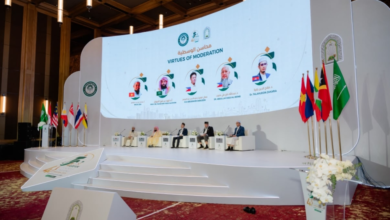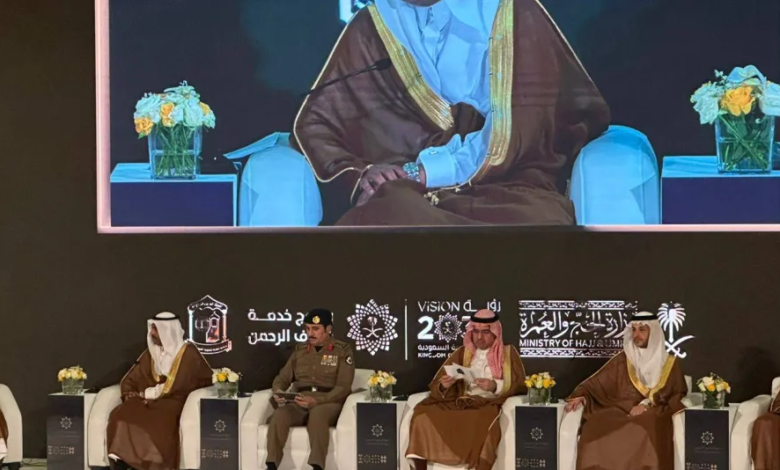

يعتبر موسم الحج من أهم وأكبر التجمعات البشرية والدينية على مستوى العالم، حيث تتجه أنظار الملايين من المسلمين سنوياً نحو مكة المكرمة لأداء الركن الخامس من أركان الإسلام. وفي هذا السياق، تبرز جهود المملكة العربية السعودية في تنظيم الحج وتوحيد الجهود والتكامل بين كافة القطاعات الحكومية والخاصة لضمان راحة ضيوف الرحمن وتأدية مناسكهم بكل يسر وسهولة وطمأنينة.
السياق التاريخي لخدمة ضيوف الرحمن
منذ تأسيس المملكة العربية السعودية على يد الملك عبدالعزيز آل سعود -طيب الله ثراه-، أخذت القيادة السعودية على عاتقها مسؤولية شرف خدمة الحرمين الشريفين وقاصديهما. وقد شهدت رحلة الحج تطوراً تاريخياً هائلاً؛ فبعد أن كانت الرحلة محفوفة بالمخاطر والصعوبات في الماضي، تحولت اليوم إلى تجربة إيمانية ميسرة بفضل التوسعات الكبرى التي شهدها المسجد الحرام والمسجد النبوي، وتطوير البنية التحتية في المشاعر المقدسة، وإنشاء شبكات طرق وقطارات متطورة مثل قطار الحرمين وقطار المشاعر.
تكامل الجهود بين القطاعات المختلفة
إن النجاح المبهر الذي يتحقق سنوياً في موسم الحج ليس وليد الصدفة، بل هو ثمرة عمل دؤوب وتنسيق عالي المستوى بين مختلف الوزارات والجهات المعنية. تعمل وزارة الحج والعمرة جنباً إلى جنب مع وزارة الداخلية لضمان الأمن والسلامة وإدارة الحشود بكفاءة عالية. كما تقدم وزارة الصحة منظومة طبية متكاملة تشمل مستشفيات ميدانية ومراكز صحية مجهزة بأحدث التقنيات لتقديم الرعاية المجانية للحجاج. بالإضافة إلى ذلك، تلعب الهيئة العامة للعناية بشؤون المسجد الحرام والمسجد النبوي دوراً محورياً في تقديم الخدمات الميدانية والتوجيه والإرشاد.
برنامج خدمة ضيوف الرحمن ورؤية 2030
في إطار رؤية السعودية 2030، أطلقت المملكة برنامج خدمة ضيوف الرحمن الذي يهدف إلى إحداث نقلة نوعية في تجربة الحج والعمرة. يركز البرنامج على تيسير استضافة المزيد من الحجاج والمعتمرين وتسهيل الوصول إلى الحرمين الشريفين، وتقديم خدمات ذات جودة عالية، وإثراء التجربة الدينية والثقافية. وقد تجلى ذلك في إطلاق مبادرات رقمية رائدة مثل منصة نسك وتطبيق البطاقة الذكية للحاج، مما يعكس توظيف التكنولوجيا الحديثة والذكاء الاصطناعي لخدمة الحجاج.
الأهمية والتأثير المحلي والدولي
على الصعيد المحلي، يسهم تنظيم الحج في تحفيز قطاعات البنية التحتية والضيافة والنقل، ويعكس قدرة الكوادر الوطنية على إدارة أضخم الحشود البشرية. أما على الصعيدين الإقليمي والدولي، فإن نجاح موسم الحج يبعث برسالة طمأنينة لملايين المسلمين حول العالم، ويؤكد على الدور الريادي للمملكة في العالم الإسلامي. إن توفير بيئة آمنة وصحية لملايين الحجاج القادمين من خلفيات ثقافية ولغات مختلفة يعزز من قيم التسامح والوحدة الإسلامية، ويبرز الوجه الحضاري للمملكة في المحافل الدولية.
ختاماً، تواصل المملكة العربية السعودية تسخير كافة إمكاناتها المادية والبشرية، مؤكدة أن خدمة ضيوف الرحمن هي أولوية قصوى وشرف تعتز به، ليبقى الحج رحلة إيمانية آمنة وميسرة تخلد في ذاكرة كل حاج.