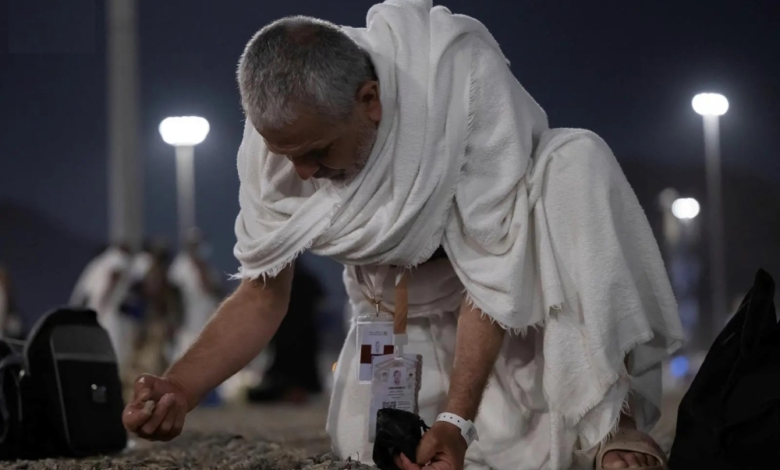

في مشهد مهيب يجسد أسمى معاني الإيمان والتنظيم الدقيق، بدأ حجاج بيت الله الحرام اليوم رمي جمرة العقبة الكبرى في منى، وذلك في أول أيام عيد الأضحى المبارك. يأتي هذا الركن العظيم من مناسك الحج في أجواء مفعمة بالأمن والطمأنينة، حيث تضافرت جهود المملكة العربية السعودية لضمان راحة وسلامة ضيوف الرحمن.
السياق التاريخي والروحي لرمي الجمرات:
يُعد رمي الجمرات من الشعائر الأساسية في فريضة الحج، وهو يرمز إلى رجم الشيطان ورفض وساوسه، اقتداءً بسيدنا إبراهيم عليه السلام عندما اعترض له الشيطان في ثلاثة مواضع ليصده عن تنفيذ أمر الله بذبح ابنه إسماعيل. فقام إبراهيم برجمه في كل مرة. تبدأ هذه الشعيرة برمي جمرة العقبة الكبرى في العاشر من ذي الحجة، وهو اليوم الذي يوافق أول أيام عيد الأضحى المبارك، ثم يتبعها رمي الجمرات الصغرى والوسطى والكبرى في أيام التشريق الثلاثة. هذا الطقس الرمزي يمثل تجديد العهد مع الله والتخلص من الشرور والذنوب، ويُعد تتويجاً لمرحلة مهمة من رحلة الحج بعد الوقوف بعرفة والمبيت بمزدلفة.
مسيرة الحجاج من عرفات إلى منى:
كان الحجاج قد توافدوا إلى مشعر مزدلفة قادمين من صعيد عرفات الطاهر بعد قضاء يوم عرفة، الركن الأعظم من الحج. وفي مزدلفة، قاموا بجمع حصى الجمرات استعداداً لأداء نسك الرمي. قضى ضيوف الرحمن ليلتهم في مزدلفة في ذكر ودعاء وتلاوة للقرآن الكريم، مستثمرين هذه الأوقات المباركة في التقرب إلى الله. ومع بزوغ فجر يوم العيد، بدأت قوافل الحجاج بالتوجه نحو منى، حيث تقع الجمرات، في حركة انسيابية منظمة تعكس الجهود الجبارة المبذولة في إدارة الحشود.
جهود المملكة العربية السعودية في إدارة الحج:
تتجلى عظمة التنظيم في إدارة الحشود المليونية التي تؤدي هذه الشعيرة. فقد سخرت الجهات المعنية في المملكة العربية السعودية كافة إمكاناتها البشرية والتقنية لخدمة ضيوف الرحمن. وشهدت مسارات المشاة وحركة النقل انسيابية عالية بفضل التخطيط المسبق والتنفيذ الدقيق. تم توفير بنية تحتية متطورة، أبرزها جسر الجمرات متعدد الطوابق، الذي صمم لاستيعاب أعداد هائلة من الحجاج وتسهيل عملية الرمي بأمان ويسر، مما يقلل من الازدحام ويمنع التدافع. كما تنتشر الفرق الأمنية والصحية والإسعافية على طول الطرق وفي محيط الجمرات لتقديم الدعم الفوري عند الحاجة.
الأهمية والتأثير:
- على المستوى الروحي: يمثل رمي الجمرات لحظة فارقة في رحلة الحاج، حيث يشعر الحاج بالتحرر من قيود الدنيا والاقتراب من الخالق، مما يعزز الإيمان ويجدد العزيمة على الطاعة.
- على المستوى التنظيمي والإداري: يُظهر نجاح موسم الحج عاماً بعد عام قدرة المملكة العربية السعودية الفائقة على إدارة أكبر تجمع بشري في العالم بكفاءة واقتدار، مما يعزز مكانتها كراعية للحرمين الشريفين.
- على المستوى الإقليمي والدولي: يجذب الحج اهتماماً عالمياً واسعاً، ويعكس صورة إيجابية عن الإسلام والمسلمين، كما يبرز دور المملكة الريادي في خدمة الإسلام والمسلمين حول العالم. هذا الحدث السنوي يعزز أيضاً الروابط بين الشعوب الإسلامية ويجسد وحدتهم في أداء فريضة واحدة.
تستمر هذه الأجواء الإيمانية التي تتسم بالسكينة والخشوع، مع استمرار الحجاج في أداء بقية مناسكهم، مؤكدين على أن الأمن والطمأنينة هما الركيزتان الأساسيتان لرحلة حج ميسرة ومقبولة.