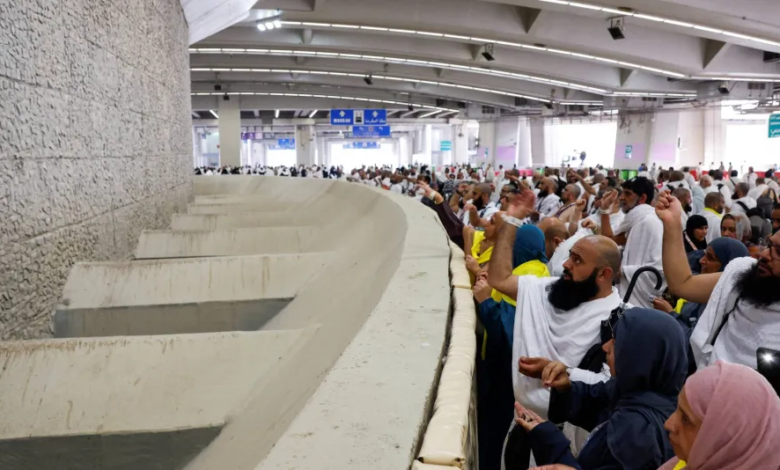

مع إشراقة شمس العاشر من ذي الحجة، يتدفق ملايين حجاج بيت الله الحرام إلى مشعر منى، ليبدأوا رمي جمرة العقبة الكبرى، في أول أيام عيد الأضحى المبارك. يُعد هذا النسك أحد أهم وأبرز شعائر الحج، ويمثل نقطة تحول رئيسية في رحلة الحج الروحانية، حيث ينتقل الحجاج من الوقوف بعرفة والمبيت بمزدلفة إلى مرحلة التحلل من الإحرام.
تاريخياً، تعود شعيرة رمي الجمرات إلى قصة نبي الله إبراهيم عليه السلام، عندما اعترض الشيطان طريقه ثلاث مرات في محاولة لثنيه عن تنفيذ أمر الله بذبح ابنه إسماعيل. وفي كل مرة، كان إبراهيم يرمي الشيطان بسبع حصيات، رمزاً لرفض الوسوسة والتصدي للشر. وهكذا، أصبح رمي الجمرات تجسيداً لرفض الشيطان ومكائده، وتأكيداً على الطاعة المطلقة لله سبحانه وتعالى. هذا النسك يعمق الإيمان ويذكر الحجاج بالصراع الأبدي بين الخير والشر، ويحثهم على التمسك بالحق.
بعد رمي جمرة العقبة الكبرى، يقوم الحجاج بنحر الهدي (الأضاحي) لمن استطاع، ثم يحلقون رؤوسهم أو يقصرون شعرهم، وهو ما يعرف بالتحلل الأصغر. بهذا التحلل، يُسمح للحاج بخلع ملابس الإحرام ولبس الثياب العادية، ويحل له كل شيء كان محرماً عليه باستثناء النساء. بعد ذلك، يتوجه الحجاج إلى مكة المكرمة لأداء طواف الإفاضة والسعي بين الصفا والمروة، ليكملوا بذلك الأركان الأساسية للحج.
تكتسب هذه الشعيرة أهمية كبرى على عدة مستويات. على الصعيد الروحي، تمثل ذروة التضحية والطاعة، وتجديد العهد مع الله. يشعر الحجاج بعد إتمامها بإنجاز روحي عظيم، وتطهير من الذنوب، وبداية صفحة جديدة في حياتهم. أما على الصعيد التنظيمي، فإن إدارة حركة ملايين الحجاج في منطقة محدودة مثل منى تتطلب جهوداً جبارة وتخطيطاً دقيقاً. تبذل المملكة العربية السعودية سنوياً جهوداً هائلة لضمان سلامة وراحة الحجاج، من خلال توفير البنية التحتية المتطورة، وتنظيم مسارات الرمي، وتوفير الخدمات الطبية والأمنية على مدار الساعة. هذه الجهود تعكس التزام المملكة بخدمة ضيوف الرحمن وتسهيل أدائهم لمناسكهم بيسر وأمان.
تأثير هذا الحدث يتجاوز الحدود المحلية والإقليمية ليصبح حدثاً عالمياً بامتياز. فالحج يجمع المسلمين من كل بقاع الأرض، بغض النظر عن جنسياتهم أو ألوانهم أو لغاتهم، في مشهد إيماني فريد يعكس وحدة الأمة الإسلامية وتآلفها. إنه رسالة سلام وتضامن للعالم أجمع، ويبرز قوة الإيمان والروحانية التي تجمع القلوب. كما أن التغطية الإعلامية الواسعة لهذا الحدث تسلط الضوء على الإسلام وقيمه السمحة، وتساهم في تصحيح المفاهيم الخاطئة، وتعزيز التفاهم بين الثقافات. وبهذا، لا يقتصر رمي جمرة العقبة الكبرى على كونه مجرد نسك ديني، بل هو رمز للتجديد الروحي، والتنظيم البشري المذهل، والوحدة الإسلامية العابرة للقارات.