
إتمام مناسك الحج للمتعجلين في ثاني أيام التشريق
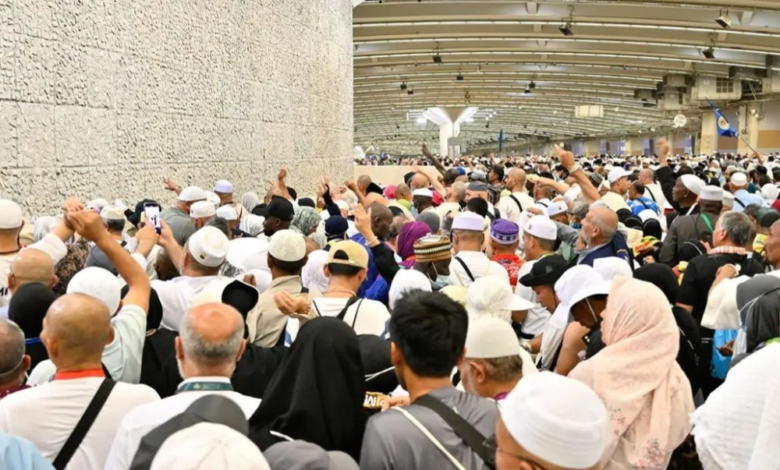
في مشهد إيماني مهيب، ومع انتهاء ثاني أيام التشريق، الموافق للثاني عشر من شهر ذي الحجة، بدأ حجاج بيت الله الحرام المتعجلون بمغادرة مشعر منى، بعد أن أتموا رمي الجمرات الثلاث بيسر وطمأنينة. وتوجهت أفواج الحجيج إلى مكة المكرمة لأداء طواف الوداع، وهو آخر مناسك الحج، خاتمين بذلك رحلتهم الإيمانية التي امتلأت بالسكينة والخشوع. وجاءت مغادرة الحجاج وسط منظومة متكاملة من الخدمات والتنظيم الدقيق الذي وفرته السلطات السعودية لضمان انسيابية الحركة وسلامة ضيوف الرحمن.
خلفية تاريخية وأهمية رمي الجمرات
يعد نسك رمي الجمرات من أبرز شعائر الحج، ويحمل رمزية تاريخية ودينية عميقة. يعود أصل هذا النسك إلى قصة نبي الله إبراهيم عليه السلام، عندما اعترضه الشيطان في هذه المواضع ثلاث مرات ليثنيه عن طاعة أمر الله بذبح ابنه إسماعيل، فرماه بالحصى في كل مرة طرداً له. ويقوم الحجاج بإحياء هذه السنة برمي الجمرات الثلاث (الصغرى، والوسطى، والكبرى) في أيام التشريق، وهي الأيام الثلاثة التي تلي يوم عيد الأضحى. يمثل هذا الفعل تجرداً من الأهواء، وإعلاناً للعداء للشيطان، وتأكيداً على الانقياد التام لأوامر الله تعالى.
أهمية الحدث وتأثيره على المستويات كافة
يحظى نجاح إدارة موسم الحج، وخصوصاً في مراحل الذروة مثل رمي الجمرات ومغادرة منى، بأهمية بالغة على الصعيدين المحلي والدولي. محلياً، يعكس هذا النجاح القدرة التنظيمية الفائقة للمملكة العربية السعودية في إدارة أكبر تجمع ديني سنوي في العالم. فمن خلال مشاريع عملاقة كمنشأة الجمرات متعددة الطوابق، وخطط تفويج الحشود، وتوفير الخدمات الصحية والأمنية واللوجستية، تثبت المملكة قدرتها على توفير أقصى درجات الأمان والراحة لملايين الحجاج. أما دولياً، فإن إتمام الحجاج لمناسكهم بسلام يعزز مكانة المملكة كقائدة للعالم الإسلامي وراعٍ للحرمين الشريفين، كما يبعث برسالة طمأنينة إلى دول العالم الإسلامي التي يترقب مواطنوها عودة ذويهم سالمين بعد أداء الركن الخامس من أركان الإسلام.
استمرار المناسك للمتأخرين وجهود متواصلة
في حين يغادر المتعجلون منى اليوم، يبقى الحجاج الذين اختاروا التأخر (غير المتعجلين) في مخيماتهم لاستكمال المبيت ورمي الجمرات في اليوم الثالث عشر من ذي الحجة، وهو آخر أيام التشريق، اقتداءً بسنة النبي محمد صلى الله عليه وسلم. وتواصل كافة الجهات المعنية في المملكة تقديم خدماتها بنفس الكفاءة والجودة العالية لضمان راحة وسلامة الحجاج المتبقين حتى مغادرة آخر حاج من المشاعر المقدسة. وتستمر الخطط التشغيلية والأمنية في الميدان لتسهيل حركة الحجاج المتبقين وإرشادهم، وتوفير الرعاية الصحية اللازمة، مما يضمن ختاماً ناجحاً وميسراً لموسم الحج لهذا العام.