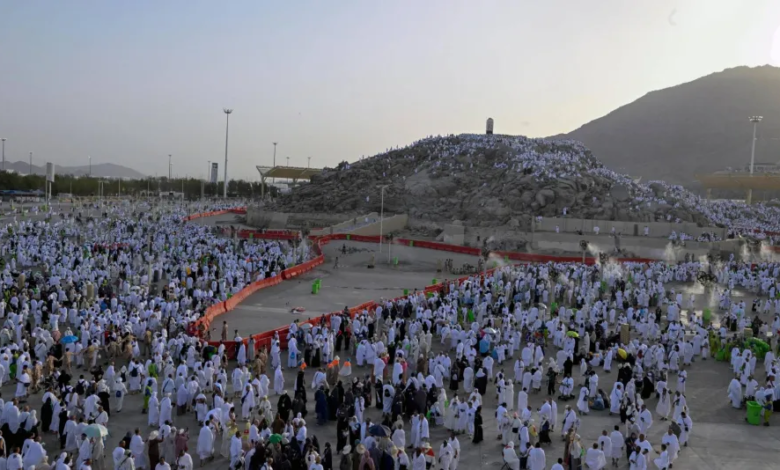

مع غروب شمس يوم عرفة المبارك، بدأت جموع ضيوف الرحمن، حجاج بيت الله الحرام، بالنفير من صعيد عرفات الطاهر إلى مشعر مزدلفة بسلام وأمان، في مشهد إيماني مهيب يعكس عظمة هذه الفريضة الإسلامية الجليلة. هذا النفير، الذي يُعد المرحلة الثالثة من مناسك الحج الرئيسية بعد الوقوف بعرفة، تم بسلاسة وتنظيم فائقين، بفضل الجهود الكبيرة التي تبذلها حكومة المملكة العربية السعودية لضمان راحة وسلامة الحجاج.
تُعد مناسك الحج ركنًا أساسيًا من أركان الإسلام الخمسة، وهي رحلة روحية عميقة يطمح إليها كل مسلم مستطيع. تبدأ هذه الرحلة بالنية والإحرام، ثم الطواف والسعي، وتتوج بالوقوف بعرفة، الذي يُعد الركن الأعظم للحج. بعد عرفة، يتوجه الحجاج إلى مزدلفة، وهو وادٍ يقع بين عرفة ومنى، حيث يقضون ليلتهم بعد أداء صلاتي المغرب والعشاء جمعًا وقصرًا. في مزدلفة، يقوم الحجاج بجمع الحصى التي سيستخدمونها في رمي الجمرات في الأيام التالية، وهو تقليد يعود إلى سيرة النبي إبراهيم عليه السلام والنبي محمد صلى الله عليه وسلم.
الخلفية التاريخية للحج تمتد لآلاف السنين، حيث أمر الله تعالى نبيه إبراهيم برفع قواعد البيت الحرام والدعوة إلى الحج. وقد أحيا النبي محمد صلى الله عليه وسلم هذه الفريضة بعد تطهير الكعبة من الأصنام، ووضع أسس المناسك التي تُتبع حتى يومنا هذا. على مر العصور، تطورت طرق أداء الحج وتسهيلاته، لكن جوهره الروحي ظل ثابتًا. إن تجمع ملايين المسلمين من شتى بقاع الأرض في مكان واحد وزمان واحد، يرمز إلى الوحدة والتآخي والمساواة بين البشر، بغض النظر عن أعراقهم أو ألوانهم أو طبقاتهم الاجتماعية.
تكتسب عملية النفير إلى مزدلفة أهمية بالغة، فهي تتطلب تنسيقًا لوجستيًا هائلاً لإدارة حركة ملايين الأشخاص والمركبات في وقت واحد. تعمل السلطات السعودية على مدار الساعة لتوفير كافة الخدمات، من تنظيم حركة السير وتوفير وسائل النقل، إلى الخدمات الصحية والإسعافية، وتأمين الطرق، لضمان انتقال الحجاج بأمان ويسر. هذه الجهود تعكس التزام المملكة الراسخ بخدمة ضيوف الرحمن وتسهيل أدائهم لمناسكهم في أجواء من الطمأنينة والسكينة.
إن نجاح هذه المرحلة من الحج له تأثيرات متعددة الأبعاد. على الصعيد المحلي، يعزز الحج الاقتصاد السعودي بشكل كبير، خاصة في مدينتي مكة المكرمة والمدينة المنورة، من خلال السياحة الدينية والخدمات المرتبطة بها، وتوفير فرص العمل. إقليميًا ودوليًا، يُبرز الحج الدور الريادي للمملكة العربية السعودية كحاضنة للحرمين الشريفين، ويعزز مكانتها في العالم الإسلامي. كما أنه يمثل حدثًا إعلاميًا عالميًا يتابعه الملايين، ويعكس صورة الإسلام كدين سلام ووحدة. إن التجمع السنوي للحجاج يبعث برسالة قوية عن قوة الأمة الإسلامية وتماسكها، ويُعد فرصة لتبادل الخبرات والثقافات بين المسلمين من مختلف الجنسيات.
بعد قضاء ليلتهم في مزدلفة، يتوجه الحجاج مع بزوغ فجر يوم عيد الأضحى المبارك إلى منى لرمي جمرة العقبة الكبرى، ثم يحلقون أو يقصرون شعورهم ويذبحون الهدي، ليتحللوا التحلل الأصغر. هذه المراحل المتتالية من الحج، التي تتم بتسلسل دقيق، تُبرز النظام والتنظيم الذي يميز هذه الفريضة العظيمة، وتؤكد على أن رحلة الحج ليست مجرد سفر، بل هي مسيرة روحية عميقة تهدف إلى تطهير النفس والتقرب إلى الله تعالى.