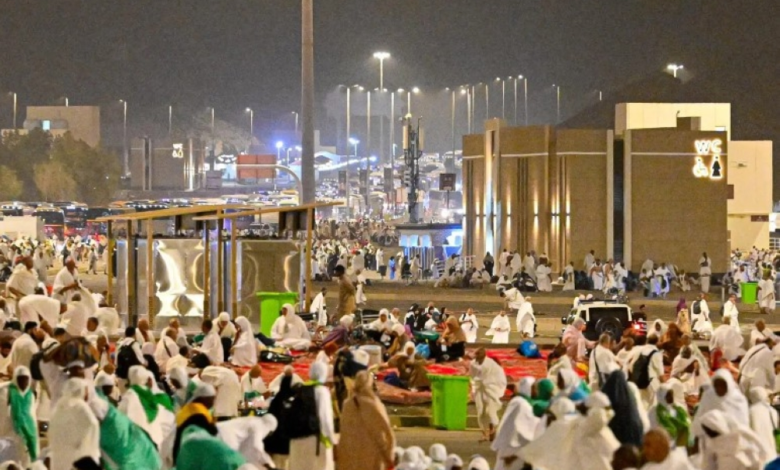

في مشهد إيماني مهيب وأجواء روحانية غمرتها السكينة والخشوع، استقر ضيوف الرحمن في مشعر مزدلفة هذه الليلة، بعد أن منّ الله عليهم بالوقوف على صعيد عرفات الطاهر، الركن الأعظم من أركان الحج. يمثل هذا الانتقال جزءًا أساسيًا من مناسك الحج، حيث يبيت الحجاج في مزدلفة ويجمعون الحصى لرمي الجمرات، في رحلة إيمانية تتجسد فيها معاني التوحيد والتسليم لأمر الله.
عقب وصولهم إلى مشعر مزدلفة، أدى ضيوف الرحمن صلاتي المغرب والعشاء جمعًا وقصرًا، اقتداءً بسنة المصطفى صلى الله عليه وسلم، الذي علم الأمة كيفية أداء هذه الشعيرة العظيمة. بعد أداء الصلاة، بدأ الحجاج في التقاط الجمار (الحصى) التي سيستخدمونها في رمي الجمرات بمنى، وهو تقليد يعود إلى النبي إبراهيم عليه السلام، ويرمز إلى طرد وساوس الشيطان ومقاومة الشرور.
أهمية مشعر مزدلفة في رحلة الحج
تُعد النفرة من عرفات إلى مزدلفة المرحلة الثالثة من مراحل تنقلات حجاج بيت الله الحرام في المشاعر المقدسة. فبعد قضاء يوم عرفة في الدعاء والتضرع، يتوجه الحجاج إلى مزدلفة للمبيت فيها حتى فجر يوم النحر (أول أيام عيد الأضحى). هذا المبيت ليس مجرد استراحة، بل هو جزء لا يتجزأ من النسك، يحمل في طياته حكمة عظيمة، حيث يتهيأ الحجاج نفسيًا وجسديًا للمرحلة التالية من الحج، وهي رمي الجمرات وطواف الإفاضة والسعي.
تاريخيًا، يقع مشعر مزدلفة بين منى وعرفات، وقد ورد ذكرها في القرآن الكريم في قوله تعالى: “فإذا أفضتم من عرفات فاذكروا الله عند المشعر الحرام”. والمشعر الحرام هو جبل قزح في مزدلفة، حيث كان النبي صلى الله عليه وسلم يقف ويدعو الله. هذه الأماكن المقدسة ليست مجرد مواقع جغرافية، بل هي محطات روحانية عميقة، تذكر المسلمين بتاريخ الأنبياء وتضحياتهم، وتعمق في نفوسهم معاني الإخلاص والعبودية لله وحده.
استعدادات المملكة لاستقبال الحجاج
تستقبل المملكة العربية السعودية سنويًا ملايين الحجاج من مختلف بقاع العالم، وتُسخّر كافة إمكانياتها البشرية والمادية لضمان أداء الحجاج لمناسكهم بيسر وأمان. تشمل هذه الجهود تطوير البنية التحتية للمشاعر المقدسة، وتوفير الخدمات الصحية والأمنية واللوجستية على مدار الساعة. هذه التجهيزات الضخمة تعكس التزام المملكة بخدمة ضيوف الرحمن، وتأكيدًا لدورها الريادي في رعاية الحرمين الشريفين.
وكانت الهيئة العامة للإحصاء قد أعلنت اليوم أن إجمالي أعداد الحجاج لهذا العام 1447هـ بلغ (1,707,301) حاج وحاجة. وقد بينت الإحصائيات أن (1,546,655) حاجًا وحاجة قدموا من خارج المملكة عبر المنافذ المختلفة، بينما بلغ عدد حجاج الداخل (160,646) حاجًا وحاجة، من المواطنين والمقيمين. وتوزعت أعداد الحجاج بين (893,396) حاجًا ذكرًا و (813,905) حاجة أنثى، مما يعكس التنوع الكبير في جنسيات وثقافات الحجاج الذين يتوافدون إلى الأراضي المقدسة.
التأثير الروحي والعالمي للحج
لا يقتصر تأثير الحج على الجانب الديني الفردي فحسب، بل يمتد ليشمل أبعادًا اجتماعية واقتصادية وعالمية. فالحج يمثل ملتقى عالميًا للمسلمين، حيث يجتمعون على قلب رجل واحد، متجردين من الفوارق العرقية والاجتماعية، في مشهد يعزز الوحدة والتآخي بين أبناء الأمة الإسلامية. كما أن هذه الرحلة الإيمانية تترك أثرًا عميقًا في نفوس الحجاج، حيث يعودون إلى أوطانهم بقلوب نقية وعزيمة متجددة، مما ينعكس إيجابًا على مجتمعاتهم.
بعد المبيت في مزدلفة، يتوجه الحجاج إلى منى بعد صلاة فجر يوم غدٍ، الذي يصادف أول أيام عيد الأضحى المبارك، لرمي جمرة العقبة الكبرى، ثم يقومون بنحر الهدي، وحلق الرأس أو تقصيره، ليتحللوا التحلل الأصغر، وتستمر مناسك الحج في الأيام التالية (أيام التشريق) برمي الجمرات الثلاث، ليكتمل بذلك ركن الإسلام الخامس، وتتوج رحلة العمر بأداء هذه الشعيرة العظيمة.