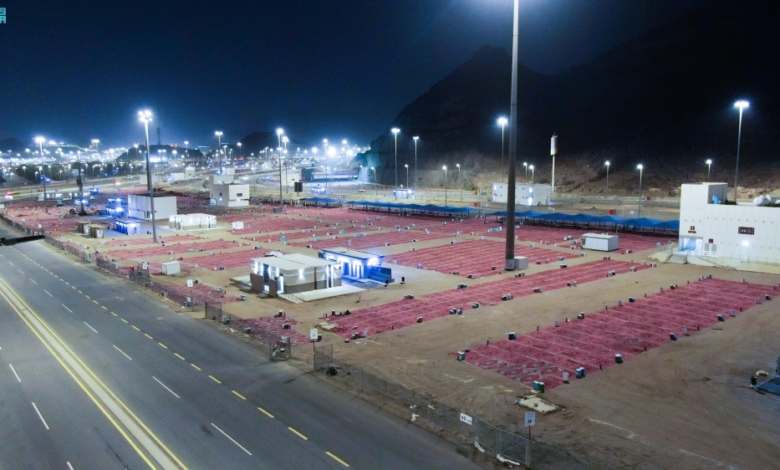

تتواصل الجهود الحثيثة لضمان راحة وسلامة ضيوف الرحمن خلال موسم الحج، وفي هذا السياق، رفعت وزارة الشؤون البلدية والقروية والإسكان، ممثلة في أمانة العاصمة المقدسة، جاهزية مشعر مزدلفة لاستقبال الحجاج الكرام بعد نفرتهم المباركة من مشعر عرفات. يأتي هذا ضمن خطتها التشغيلية المتكاملة لموسم الحج، والتي تهدف إلى تعزيز جودة الخدمات المقدمة، ورفع كفاءة الإصحاح البيئي، وإدارة الحشود بكفاءة عالية في المشاعر المقدسة.
يُعد الحج ركنًا أساسيًا من أركان الإسلام الخمسة، ويشكل رحلة روحية عظيمة لملايين المسلمين حول العالم. بعد الوقوف بعرفة، وهو الركن الأعظم للحج، يتوجه الحجاج إلى مزدلفة لقضاء الليل وجمع حصى الجمرات، قبل التوجه إلى منى لرمي الجمرات وأداء باقي المناسك. لطالما كانت إدارة هذه الحشود المليونية تحديًا لوجستيًا هائلاً، وقد كرست المملكة العربية السعودية، منذ عقود، موارد ضخمة لتطوير البنية التحتية والخدمات لضمان أداء الحجاج لمناسكهم بيسر وطمأنينة. هذه الجهود تعكس التزام المملكة الراسخ بخدمة الحرمين الشريفين وضيوف الرحمن، وهو ما يتجلى بوضوح في الرؤية الطموحة 2030.
أوضحت الوزارة أن الفرق الميدانية باشرت منذ وقت مبكر أعمال التهيئة الشاملة في مشعر مزدلفة، من خلال تكثيف أعمال النظافة والإصحاح البيئي، وتجهيز المرافق العامة، وتهيئة المسارات ومواقع المشاة. ويُدعم هذا العمل الميداني بفرق إضافية وآليات متخصصة تعمل على مدار الساعة لضمان سرعة الاستجابة للحالات الطارئة والتعامل مع الكثافات البشرية العالية التي يشهدها المشعر خلال هذه المرحلة المحورية من رحلة الحج.
تُعد هذه الاستعدادات جزءًا لا يتجزأ من منظومة عمل متكاملة في مكة المكرمة والمشاعر المقدسة، حيث تدعم منظومة العمل في مزدلفة بأكثر من 13 ألف كادر ميداني، بالإضافة إلى آلاف الآليات والمعدات التشغيلية. هذا الدعم اللوجستي والبشري الهائل يعزز استدامة الخدمات البلدية ويرفع مستوى الجاهزية خلال مراحل تنقل الحجاج بين المشاعر، مما يضمن تجربة حج سلسة وآمنة. إن نجاح هذه العمليات ينعكس إيجابًا على سمعة المملكة كدولة رائدة في إدارة أكبر التجمعات البشرية في العالم، ويؤكد قدرتها على توفير بيئة مثالية لأداء الشعائر الدينية.
وفيما يتعلق بإدارة النفايات، أضافت الوزارة أن أعمال النظافة وإدارة النفايات في مزدلفة تُنفذ عبر خطة تشغيلية متكاملة تشمل تكثيف عمليات الجمع والرفع المستمر للنفايات، والاستفادة من منظومة الصناديق الضاغطة والمخازن الأرضية المنتشرة في المشعر المقدس. هذه الإجراءات تساهم بفعالية في المحافظة على البيئة العامة ورفع كفاءة الإصحاح البيئي، وهو أمر حيوي لصحة وسلامة الحجاج.
كما أكدت الوزارة جاهزية فرق الطوارئ والصيانة الميدانية في مشعر مزدلفة، إلى جانب فرق مكافحة نواقل الأمراض وآفات الصحة العامة، وفرق متابعة شبكات تصريف السيول والإنارة. هذه الفرق تعمل بتنسيق تام لضمان توفير بيئة آمنة ومهيأة لضيوف الرحمن، ويعكس ذلك تكامل الجهود الحكومية لخدمتهم وتمكينهم من أداء مناسكهم بكل يسر وطمأنينة. ويُذكر أن الوزارة باشرت إعادة تهيئة مشعر منى فور توجه الحجاج إلى عرفات، عبر تنفيذ أعمال مكثفة للإصحاح البيئي ورفع المخلفات وتجهيز المواقع ميدانيًا، لضمان جاهزية المشعر لاستقبال الحجاج بعد نفرتهم من مزدلفة.
تدعم الوزارة خطتها التشغيلية بمنظومة متكاملة لإدارة النفايات في المشاعر المقدسة، تشمل الصناديق الضاغطة والمخازن الأرضية وآلاف المعدات والكوادر الميدانية، مما يسهم في المحافظة على البيئة العامة ورفع جودة الخدمات المقدمة لضيوف الرحمن، ويؤكد التزام المملكة بتقديم أفضل الخدمات لضيوف الرحمن.