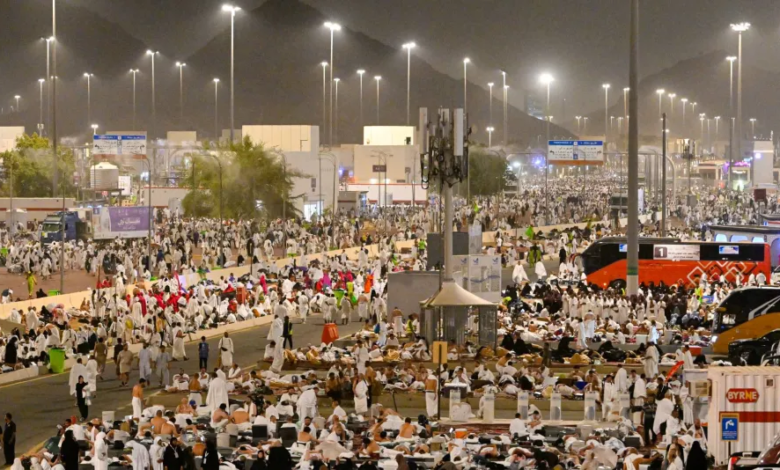

مع إشراقة فجر يوم العاشر من ذي الحجة، أتم ملايين الحجاج بيتوتتهم في صعيد مزدلفة الطاهر، بعد أن قضوا يومهم الأغر في الوقوف بعرفة، الركن الأعظم من أركان الحج. يتأهب ضيوف الرحمن الآن للانتقال إلى منى لرمي جمرة العقبة الكبرى، في خطوة تمثل بداية أيام التشريق وعيد الأضحى المبارك، وتتويجاً لرحلة إيمانية عظيمة ينتظرها المسلمون حول العالم.
الحج، الركن الخامس من أركان الإسلام، هو رحلة روحية عميقة يطمح كل مسلم قادر على أدائها. إنه يمثل تجربة فريدة من نوعها تجمع المسلمين من شتى بقاع الأرض في مكان واحد، بهدف التطهير الروحي، التوبة، والتجديد الإيماني. هذه الفريضة ليست مجرد طقوس، بل هي مدرسة إيمانية تعلم الصبر، التواضع، والمساواة بين البشر، حيث يتجرد الجميع من مظاهر الدنيا ليلبسوا لباس الإحرام الموحد، مؤكدين على وحدة الأمة الإسلامية وتجردها من الفوارق الدنيوية.
مزدلفة، وهي منطقة تقع بين عرفات ومنى، تحمل أهمية خاصة في مناسك الحج. فبعد غروب شمس يوم عرفة، يتوجه الحجاج إليها في سكينة ووقار، حيث يجمعون الحصى التي سيستخدمونها في رمي الجمرات. المبيت في مزدلفة، ولو لساعة من الليل، هو واجب من واجبات الحج، ويُصلى فيها المغرب والعشاء جمعاً وقصراً. هذه الليلة هي فرصة للتأمل والدعاء، قبل الانتقال إلى المرحلة التالية من الشعائر المقدسة التي تتطلب جهداً بدنياً وتركيزاً روحياً.
رمي جمرة العقبة الكبرى هو أولى خطوات رمي الجمرات، وهو شعيرة ترمز إلى رجم الشيطان ورفض وساوسه. يقوم الحجاج برمي سبع حصيات على الجمرة الكبرى، مقتدين بسنة النبي إبراهيم عليه السلام عندما اعترض له الشيطان في هذا الموضع. هذه الشعيرة ليست مجرد فعل مادي، بل هي تعبير رمزي عن العزم على مقاومة الشرور والالتزام بالخير والصلاح في الحياة اليومية. بعد رمي الجمرة، يقوم الحجاج بنحر الهدي (لمن عليه هدي)، ثم يحلقون رؤوسهم أو يقصرونها، ليتحللوا التحلل الأصغر، ويجوز لهم بعد ذلك لبس المخيط وممارسة حياتهم الطبيعية باستثناء النساء.
تعود جذور هذه المناسك إلى آلاف السنين، وتحديداً إلى قصة النبي إبراهيم عليه السلام وزوجته هاجر وابنهما إسماعيل. فالمسعى بين الصفا والمروة يخلد سعي هاجر بحثاً عن الماء، وماء زمزم هو معجزة إلهية استجابة لدعائها. أما رمي الجمرات، فيُعتقد أنه يرمز إلى رجم إبراهيم للشيطان الذي حاول إغواءه ليمنعه من تنفيذ أمر الله بذبح ابنه إسماعيل. هذه القصص التاريخية تضفي عمقاً روحياً ومعنى عظيماً على كل خطوة يخطوها الحاج، وتذكره بالتضحية والإيمان.
تتطلب إدارة حشود بهذا الحجم الهائل جهوداً لوجستية وتنظيمية جبارة، تتولاها المملكة العربية السعودية بكل اقتدار. فمنذ وصول الحجاج إلى الأراضي المقدسة، تعمل جميع القطاعات الحكومية والخاصة على مدار الساعة لتوفير أفضل الخدمات لضيوف الرحمن، من تأمين السكن والنقل والرعاية الصحية، إلى تنظيم حركة السير وتوفير المياه والطعام. هذه الجهود تهدف إلى ضمان سلامة الحجاج وراحتهم، وتمكينهم من أداء مناسكهم بيسر وطمأنينة، مما يعكس التزام المملكة بخدمة الحرمين الشريفين وقاصديهما، ويؤثر إيجاباً على سمعتها إقليمياً ودولياً.
تتجاوز أهمية الحج كونه فريضة دينية فردية؛ فهو يمثل تجمعاً إسلامياً عالمياً فريداً من نوعه، يعزز الوحدة والتضامن بين المسلمين. إن رؤية ملايين الحجاج من مختلف الأعراق والجنسيات يتحدون في لباس واحد وهدف واحد، تبعث برسالة قوية عن قوة الإسلام وتنوعه. على الصعيد الفردي، يعود الحاج بعد أداء مناسكه وقد غُفرت ذنوبه، ليبدأ صفحة جديدة في حياته، محملاً بالسكينة والطمأنينة والإلهام، مما يؤثر إيجاباً على مجتمعه المحلي والعالم الإسلامي بأسره، ويشجع على قيم التسامح والتعاون.
مع رمي جمرة العقبة، يكون الحجاج قد أتموا جزءاً كبيراً من مناسكهم الرئيسية، لتبدأ بعد ذلك أيام التشريق التي تشمل رمي الجمرات الصغرى والوسطى والكبرى، ثم طواف الوداع. هذه الرحلة الإيمانية العظيمة، التي تتوج بالوقوف بعرفة والمبيت بمزدلفة ورمي الجمرات، تظل محفورة في ذاكرة كل حاج، وتترك أثراً عميقاً في روحه، مجسدةً أسمى معاني العبادة والتفاني في سبيل الله، وتجديداً للعهد مع الخالق.