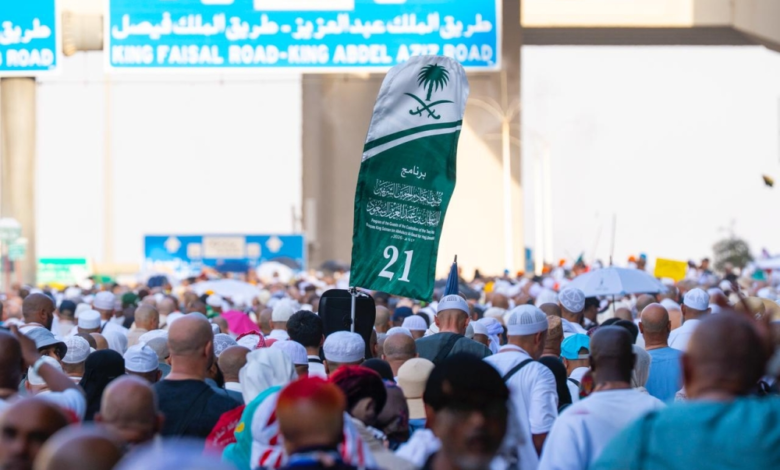

مع إشراقة شمس أول أيام التشريق، اليوم الحادي عشر من شهر ذي الحجة، توافدت جموع حجاج بيت الله الحرام إلى مشعر منى لرمي الجمرات الثلاث، استكمالاً لمناسك الحج، في مشهد إيماني مهيب يعكس الوحدة والتضرع إلى الله. وقد أدى ضيوف الرحمن هذا النسك بيسر وسهولة، مبتدئين برمي الجمرة الصغرى، ثم الوسطى، وأخيراً جمرة العقبة الكبرى، متبعين في ذلك هدي النبي محمد صلى الله عليه وسلم، ومكبرين وداعين الله بالقبول والمغفرة.
خلفية تاريخية وأهمية نسك رمي الجمرات
يُعد نسك رمي الجمرات أحد أركان الحج الأساسية، ويحمل رمزية تاريخية ودينية عميقة. فهو يخلّد ذكرى نبي الله إبراهيم عليه السلام عندما اعترضه الشيطان في هذه المواضع ثلاث مرات ليثنيه عن تنفيذ أمر الله بذبح ابنه إسماعيل، فرماه بالحصى في كل مرة طرداً له وإعلاناً لتمسكه بطاعة ربه. ومنذ ذلك الحين، أصبح الرمي جزءاً لا يتجزأ من مناسك الحج، يرمز إلى طرد وساوس الشيطان والتبرؤ من الشرور والآثام، وتجديد العهد مع الله على الطاعة المطلقة.
تأثير التنظيم السعودي على تجربة الحج
شهدت حركة الحجاج من مخيماتهم في منى إلى منشأة الجمرات انسيابية تامة، بفضل خطط التفويج وإدارة الحشود التي أعدتها السلطات السعودية. وتعتبر منشأة الجمرات الحديثة، بأدوارها المتعددة ومساراتها الواسعة، أحد أضخم المشاريع التي نفذتها المملكة لضمان سلامة الحجاج وراحتهم. وقد أسهم هذا المشروع العملاق في القضاء على مشاكل التدافع والازدحام التي كانت تحدث في الماضي، مما كان له أثر إيجابي مباشر على التجربة الروحانية للحاج، حيث أصبح بإمكانه أداء النسك في أجواء من الأمن والطمأنينة. إن نجاح إدارة هذا التجمع البشري الهائل يعزز مكانة المملكة على الصعيدين الإقليمي والدولي كقوة تنظيمية قادرة على استضافة وإدارة أكبر الفعاليات العالمية بكفاءة واقتدار.
منظومة خدمات متكاملة لراحة ضيوف الرحمن
وأشاد عدد من الحجاج، بمن فيهم ضيوف برنامج خادم الحرمين الشريفين، بالجهود الكبيرة التي تبذلها حكومة المملكة في خدمة ضيوف الرحمن. وأثنوا على التنظيم المتكامل والرعاية الشاملة التي لمسوها منذ وصولهم إلى الأراضي المقدسة. وتنتشر على طول المسارات المؤدية للجمرات نقاط للخدمات الطبية والإرشادية وفرق الدفاع المدني، بالإضافة إلى توفير مياه الشرب المبردة ورذاذ الماء لتلطيف الأجواء، مما يعكس حرص المملكة على توفير أقصى درجات الراحة للحجاج وتمكينهم من أداء مناسكهم بسهولة. هذه الجهود المتواصلة والتطوير المستمر في البنية التحتية والخدمات في المشاعر المقدسة هي جزء من التزام المملكة التاريخي بخدمة الإسلام والمسلمين.