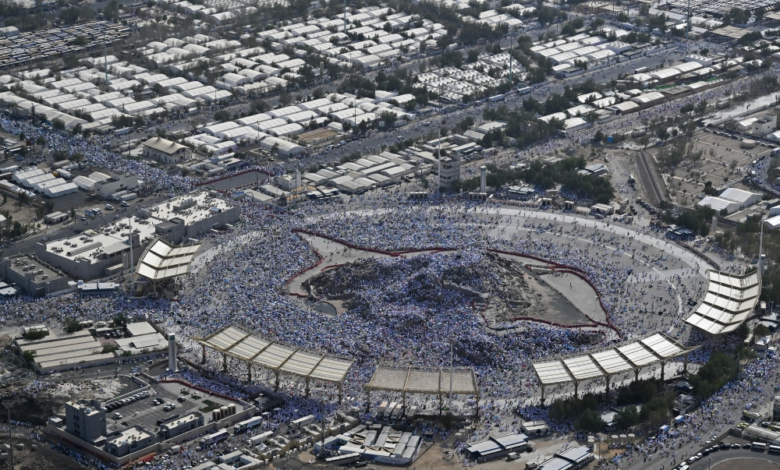

أعلنت الهيئة العامة للإحصاء اليوم عن إحصائيات موسم الحج لعام 1447هـ (2026م)، مؤكدة أن إجمالي أعداد الحجاج لهذا العام قد بلغ (1,707,301) حاج وحاجة. وتفصيلاً لهذه الأعداد، فقد قدم (1,546,655) حاجًا وحاجة من خارج المملكة العربية السعودية عبر المنافذ الجوية والبرية والبحرية المختلفة، بينما بلغ عدد حجاج الداخل من المواطنين والمقيمين (160,646) حاجًا وحاجة.
وتُظهر البيانات الإحصائية الصادرة عن الهيئة تفصيلاً دقيقًا لأعداد الحجاج حسب الجنس وطرق الوصول. فمن إجمالي أعداد الحجاج، بلغ عدد الحجاج الذكور (893,396) حاجًا، فيما وصل عدد الحاجات الإناث إلى (813,905) حاجة. أما بالنسبة لطرق قدوم الحجاج من خارج المملكة، فقد وصل الغالبية العظمى، وتحديدًا (1,485,729) حاجًا وحاجة، عن طريق المنافذ الجوية. بينما استقبلت المنافذ البرية (54,429) حاجًا وحاجة، ووصل (6,497) حاجًا وحاجة عبر المنافذ البحرية.
يُعد الحج ركنًا أساسيًا من أركان الإسلام الخمسة، ويحمل أهمية روحية عميقة لملايين المسلمين حول العالم. وتتولى المملكة العربية السعودية، بصفتها خادم الحرمين الشريفين، مسؤولية عظيمة في تنظيم وتيسير هذه الشعيرة المقدسة. وقد شهدت مواسم الحج على مر التاريخ تطورًا هائلاً في الخدمات والبنية التحتية، بدءًا من الطرق القديمة وصولاً إلى شبكات النقل الحديثة والمرافق المتطورة التي تستوعب الأعداد المتزايدة من الحجاج عامًا بعد عام. هذه الإحصائيات تعكس الجهود المتواصلة للمملكة في إدارة هذا التجمع البشري الضخم بكفاءة واقتدار.
إن الأعداد المعلنة لموسم حج 1447هـ (2026م) لا تمثل مجرد أرقام، بل هي مؤشر على النجاح التنظيمي واللوجستي للمملكة في استضافة هذه الشعيرة العالمية. فعلى الصعيد المحلي، يُسهم موسم الحج بشكل كبير في دعم الاقتصاد الوطني من خلال قطاعات السياحة والضيافة والنقل والخدمات المختلفة، ويوفر فرص عمل موسمية ودائمة. كما يعزز من مكانة المملكة كمركز عالمي للخدمات الإسلامية ويبرز قدرتها على إدارة الفعاليات الكبرى بفعالية وأمان.
وعلى الصعيدين الإقليمي والدولي، تُظهر هذه الأرقام التزام المملكة بتوفير بيئة آمنة ومريحة للحجاج من كافة الجنسيات، مما يعزز من روابط الأخوة الإسلامية ويُسهم في إظهار الصورة الحضارية للمملكة. كما أن التنسيق المستمر مع الدول الإسلامية والمنظمات الدولية لضمان سلاسة إجراءات الحج، بدءًا من إصدار التأشيرات وصولاً إلى الخدمات الصحية والأمنية، يُبرز الدور القيادي للمملكة في العالم الإسلامي وقدرتها على التعاون الدولي الفعال.
تعتمد الهيئة العامة للإحصاء في إصدار هذه البيانات والمؤشرات الإحصائية لموسم الحج على سجلات إدارية عالية الدقة والموثوقية، تُقدمها وزارة الداخلية. ويأتي هذا الاعتماد ضمن نموذج إحصائي موحد تم تطويره وتطبيقه على مدار السنوات الست الماضية، لضمان أعلى مستويات الشفافية والدقة في إحصاءات الحج. وتؤكد الهيئة أنها المرجع الإحصائي الرسمي والوحيد للبيانات والمعلومات الإحصائية في المملكة العربية السعودية، مما يضمن موثوقية هذه الأرقام للمخططين والباحثين والجمهور على حد سواء.
يُعد موسم حج 1447هـ (2026م) إضافة جديدة لسلسلة النجاحات التي تحققها المملكة في تنظيم هذه الفريضة العظيمة، ويؤكد على التزامها المستمر بتطوير الخدمات وتحسين التجربة الروحية للحجاج، بما يتماشى مع رؤية المملكة 2030 التي تهدف إلى زيادة أعداد المعتمرين والحجاج وتقديم أفضل الخدمات لهم.