
الحجاج يرمون جمرة العقبة الكبرى بيسر وأمان ضمن خطة تفويج محكمة يوم النحر
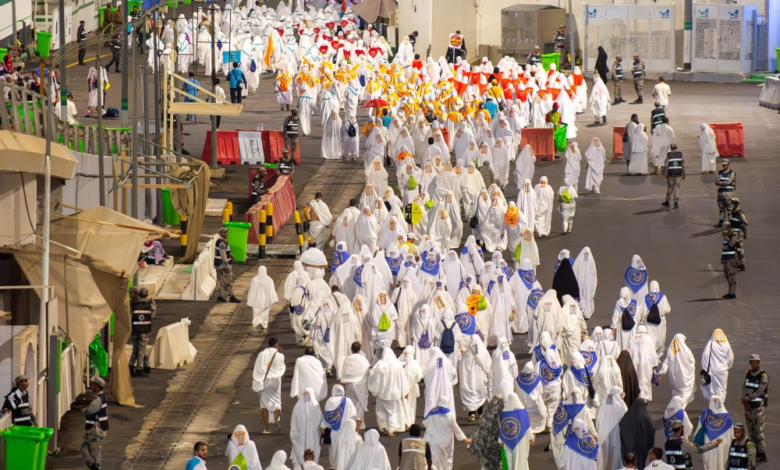
بدأ جموع حجاج بيت الله الحرام، منذ فجر أول أيام عيد الأضحى المبارك، أداء نسك رمي الجمرات في مشعر منى، حيث رموا جمرة العقبة الكبرى بسبع حصيات، وسط انسيابية تامة في التنقل ووفق خطة التفويج المعدة لذلك. استقبل مشعر منى، الذي يُعرف بـ “مدينة الخيام”، طلائع الحجاج القادمين من مزدلفة، لأداء هذا النسك العظيم، في ظل منظومة متكاملة من الخدمات الأمنية والتنظيمية والصحية التي سخرتها الجهات المعنية لخدمة ضيوف الرحمن، وتيسير أداء مناسكهم في أجواء مفعمة بالطمأنينة والسكينة.
أهمية رمي الجمرات في فريضة الحج
يُعد رمي الجمرات أحد أهم مناسك الحج، وهو ركن أساسي من أركانه، يأتي بعد الوقوف بعرفة والمبيت بمزدلفة. يمثل الحج الركن الخامس من أركان الإسلام، ويجذب ملايين المسلمين من شتى بقاع الأرض إلى مكة المكرمة والمشاعر المقدسة كل عام، في رحلة إيمانية عظيمة تهدف إلى التطهير الروحي والتقرب إلى الله. هذا النسك، الذي يُقام في يوم النحر (أول أيام عيد الأضحى)، يرمز إلى رفض الشيطان والتبرؤ من وساوسه، اقتداءً بسيدنا إبراهيم عليه السلام عندما اعترض له الشيطان في هذه المواضع.
إن رمي الجمرات ليس مجرد فعل مادي، بل هو تعبير رمزي عميق عن التزام الحاج بمبادئ الإسلام ومقاومته للشرور. فكل حصاة يرميها الحاج تمثل رفضًا لوسوسة الشيطان وإعلانًا للولاء لله وحده. هذا الطقس يعزز الروحانية ويذكر الحجاج بالصراع الأبدي بين الخير والشر، ويحثهم على التمسك بالقيم الإيمانية في حياتهم اليومية.
جهود المملكة العربية السعودية في إدارة الحشود
تولي المملكة العربية السعودية اهتماماً بالغاً بتنظيم وإدارة موسم الحج، مستنفرةً كافة طاقاتها البشرية والمادية لضمان سلامة وراحة الحجاج. تتجلى هذه الجهود في خطط التفويج الدقيقة التي تهدف إلى توزيع الحجاج على جسر الجمرات بشكل منظم، لتجنب التزاحم والتدافع، وتوفير بيئة آمنة لأداء النسك. وتشمل الخدمات المقدمة تأمين الطرق، وتوفير الرعاية الصحية الطارئة، وخدمات النظافة، والدفاع المدني، بالإضافة إلى الإرشاد والتوجيه المستمر من قبل رجال الأمن والكشافة.
تأثير نجاح إدارة الحج محلياً ودولياً
إن نجاح عملية رمي الجمرات بانسيابية وأمان يعكس الكفاءة العالية في إدارة الحشود الضخمة، ويؤكد قدرة المملكة على استضافة وتنظيم أكبر تجمع بشري سنوي في العالم. محلياً، يمثل الحج حدثاً وطنياً بامتياز، يستنفر جميع القطاعات الحكومية والخاصة. إقليمياً ودولياً، يُنظر إلى إدارة الحج كنموذج يحتذى به في تنظيم الفعاليات الكبرى، وله تأثير كبير على صورة المملكة ودورها القيادي في العالم الإسلامي. كما يعزز هذا النجاح ثقة المسلمين حول العالم في قدرة المملكة على توفير بيئة آمنة وميسرة لأداء فريضتهم.
تابعت وكالة الأنباء السعودية (واس) تنسيق ضيوف الرحمن في رميهم للجمرة دون تزاحم أو تدافع في طوابق جسر الجمرات، مع توفير كامل الخدمات الأمنية والصحية والإسعافية والنظافة والدفاع المدني، إلى جانب رجال الأمن القائمين على تنظيم حركة الحجيج في ساحات جسر الجمرات وعلى مداخله ومخارجه. اتسمت حركة الحجيج نحو جسر الجمرات والساحات المحيطة به بالتدفق المتدرج والآمن على دفعات، ووزعت على الأدوار حسب التنظيم المعد، والعودة لمواقع إقامتهم بانسيابية ومرونة، فيما اتسمت الطرق في مشعر منى إجمالاً بالمرونة في الحركة المرورية للسيارات وتنقل الحجاج.
تُعد هذه الانسيابية في أداء نسك رمي الجمرات شهادة على التخطيط المحكم والتنفيذ الدقيق للخطط التشغيلية، مما يضمن للحجاج تجربة روحانية خالية من المعوقات، ويؤكد التزام المملكة الراسخ بتقديم أفضل الخدمات لضيوف الرحمن، ليتمكنوا من إتمام فريضتهم بيسر وسهولة وأمان.