
أهمية موسم الحج والخلفية التاريخية
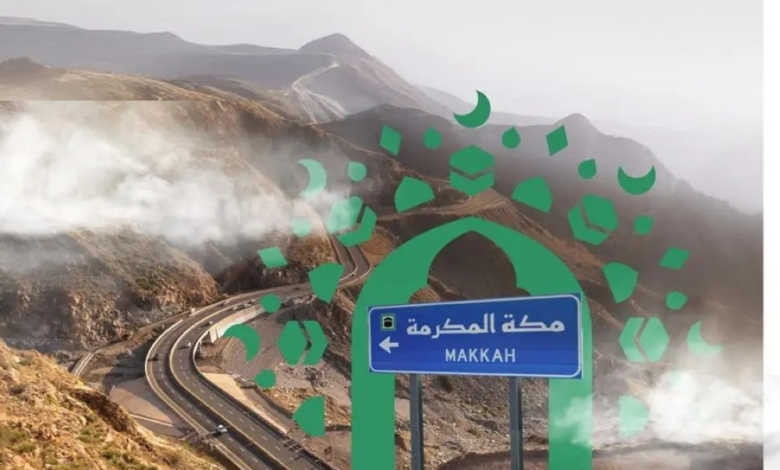
يُعد الحج الركن الخامس من أركان الإسلام، وهو رحلة إيمانية تهفو إليها أفئدة ملايين المسلمين من شتى بقاع الأرض. تاريخياً، كانت رحلة الحج محفوفة بالمخاطر وتستغرق أشهراً طويلة عبر قوافل الإبل والصحاري القاحلة. أما اليوم، وفي ظل الرعاية الكريمة والجهود الجبارة التي تبذلها المملكة العربية السعودية، تحولت هذه الرحلة إلى تجربة آمنة وميسرة بفضل البنية التحتية المتطورة وشبكات الطرق الحديثة التي تربط مدن المملكة بمكة المكرمة والمشاعر المقدسة. يعكس هذا التطور التزام المملكة التاريخي والديني بخدمة ضيوف الرحمن، وهو ما يتوافق مع مستهدفات رؤية السعودية 2030 الرامية إلى زيادة الطاقة الاستيعابية لاستقبال المعتمرين والحجاج وتقديم أرقى الخدمات لهم.
إحصائيات عبور المركبات نحو مكة المكرمة
في إطار الجهود التشغيلية والتنظيمية الهادفة إلى تسهيل حركة ضيوف الرحمن خلال موسم الحج، سجلت الهيئة العامة للطرق إنجازاً ملموساً بعبور أكثر من 70 ألف مركبة عبر مختلف الطرق المؤدية إلى العاصمة المقدسة. وتأتي هذه الإحصائيات لتؤكد كفاءة شبكة الطرق وقدرتها على استيعاب الكثافة المرورية العالية ورفع كفاءة التنقل في مختلف الاتجاهات.
وقد تصدر طريق الأمير محمد بن سلمان قائمة الطرق من حيث الكثافة المرورية، حيث سجل عبور 24,609 مركبات. تلاه في المرتبة الثانية طريق الطائف – مكة المكرمة (عبر السيل الكبير) مسجلاً 11,684 مركبة، ثم طريق المدينة المنورة – مكة المكرمة بعبور 9,578 مركبة.
كما أوضحت البيانات الرسمية الصادرة عن الهيئة أن طريق مكة المكرمة – الطائف (عقبة الهدا) قد شهد عبور 7,642 مركبة. وفيما يخص المسارات الأخرى، بلغ عدد المركبات العابرة عبر طريق مكة المكرمة – جدة (بحرة) 6,935 مركبة، وطريق مكة المكرمة – جدة المباشر 3,056 مركبة، بينما سجل طريق الليث عبور 13,430 مركبة.
التأثير المحلي والإقليمي والدولي لنجاح خطط النقل
لا يقتصر نجاح إدارة الحشود والحركة المرورية في موسم الحج على البعد المحلي فحسب، بل يمتد تأثيره إقليمياً ودولياً. على الصعيد المحلي، تسهم هذه الجهود في إبراز كفاءة الكوادر السعودية في إدارة أضخم التجمعات البشرية في العالم بكفاءة واقتدار. أما إقليمياً ودولياً، فإن انسيابية حركة الحجاج وسلامتهم تعكس صورة إيجابية ومشرقة عن المملكة، وتطمئن حكومات وشعوب الدول الإسلامية على رعاياهم. إن توفير شبكة طرق آمنة وفعالة يقلل من الحوادث المرورية ويضمن وصول الحجاج إلى المشاعر المقدسة في الأوقات المحددة لأداء المناسك بكل يسر وسهولة.
استمرار جاهزية الطرق لخدمة ضيوف الرحمن
لضمان استدامة هذا النجاح، أكدت الهيئة العامة للطرق على استمرار جاهزيتها الميدانية والتشغيلية على مدار الساعة عبر جميع الطرق المؤدية إلى المشاعر المقدسة. وتتضمن هذه الجاهزية المتابعة الدقيقة للحركة المرورية، والعمل المستمر على رفع مستوى السلامة والخدمات المقدمة لضيوف الرحمن. إن هذه الجهود المتكاملة تسهم بشكل مباشر في تحقيق انسيابية التنقل وتوفير أقصى درجات الراحة للحجاج خلال موسم الحج، مما يجعل رحلتهم الإيمانية آمنة وميسرة.