
جهود استثنائية لتأمين موسم الحج 1445هـ
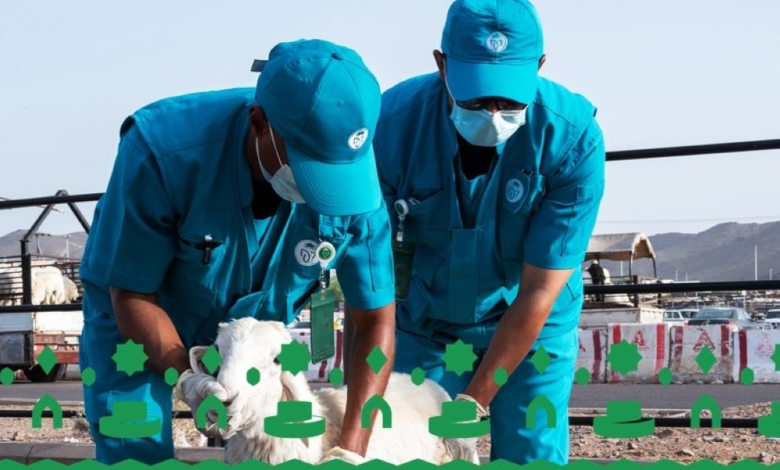
في إطار الجهود المكثفة التي تبذلها المملكة العربية السعودية لضمان سلامة وراحة ضيوف الرحمن، أعلن المركز الوطني للوقاية من الآفات النباتية والأمراض الحيوانية ومكافحتها “وقاء” عن إنجاز خطة تشغيلية ضخمة خلال موسم حج عام 1445هـ، حيث تم فحص أكثر من 8.1 مليون رأس من المواشي والدواجن في مكة المكرمة والمدينة المنورة. تأتي هذه الإجراءات كجزء أساسي من منظومة متكاملة تهدف إلى الحفاظ على صحة الحجاج وتوفير أعلى معايير الأمن الحيوي والغذائي خلال فترة توافدهم إلى المشاعر المقدسة.
خلفية تاريخية وأهمية الرقابة الصحية في الحج
تولي المملكة أهمية قصوى للرقابة الصحية خلال موسم الحج، مستفيدة من خبرات متراكمة عبر عقود من الزمن في إدارة أكبر التجمعات البشرية في العالم. تاريخياً، شكلت التجمعات الكبيرة تحدياً صحياً كبيراً، مما دفع السلطات السعودية إلى تطوير أنظمة وقائية متطورة لمنع تفشي الأمراض، خاصة تلك التي يمكن أن تنتقل من الحيوانات إلى الإنسان. ومع ارتباط شعيرة الحج بتقديم الأضاحي، يصبح فحص المواشي ليس مجرد إجراء روتيني، بل ضرورة حتمية لضمان سلامة اللحوم التي يتناولها الحجاج والمقيمون، ومنع أي مخاطر صحية قد تنجم عن حيوانات مصابة.
إجراءات وقائية صارمة لتعزيز صحة الحجاج
لتحقيق هذه الأهداف، نفذ مركز “وقاء” عمليات ميدانية واسعة النطاق. حيث قامت 67 فرقة ميدانية، تضم 191 كادراً متخصصاً من الأطباء والمساعدين البيطريين، بتنفيذ ما يزيد عن 12,676 جولة رقابية استهدفت أسواق النفع العام والمسالخ لضبط الامتثال البيطري. وأسفرت الرقابة المشددة في منافذ العاصمة المقدسة عن فحص 1,266,912 رأساً من الأغنام والأبقار، بينما شملت الفحوصات الميدانية 1,307,449 رأساً من المواشي، بالإضافة إلى التدقيق على سلامة 5,563,135 طائراً من الدواجن لضمان صلاحيتها للاستهلاك الآدمي. ولم تقتصر الجهود على الثروة الحيوانية، بل امتدت لتشمل مكافحة الآفات الزراعية على مساحة تجاوزت 90 ألف هكتار، مما يعكس نهجاً شاملاً للأمن الحيوي.
الأثر المحلي والدولي لجهود الأمن الحيوي
تتجاوز أهمية هذه الإجراءات الصارمة الحدود المحلية لتصل إلى المستوى الدولي. فعلى الصعيد المحلي، تساهم هذه الجهود في حماية الثروة الحيوانية الوطنية ومنع دخول الأمراض الوبائية التي قد تؤثر على قطاع المواشي في المملكة. أما على الصعيد الدولي، فإن ضمان خلو موسم الحج من أي تفشٍ للأمراض الحيوانية يمثل مساهمة سعودية فاعلة في منظومة الصحة العالمية، حيث يعود ملايين الحجاج إلى بلدانهم، ونقل أي عدوى قد يتسبب في أزمة صحية عالمية. وبذلك، تؤكد هذه الجهود دور المملكة كقائد مسؤول في إدارة التجمعات البشرية الضخمة وحماية الصحة العامة العالمية.