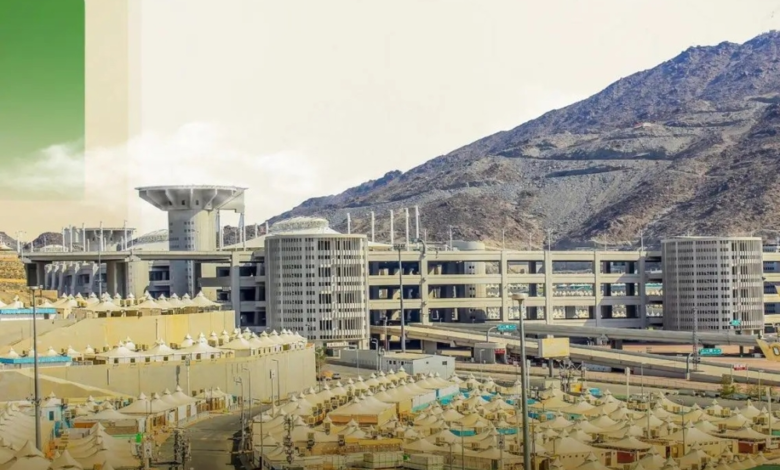

أعلنت وزارة الحج والعمرة في المملكة العربية السعودية عن حزمة من الإجراءات والتعليمات التنظيمية الصارمة لموسم الحج القادم، بهدف ضمان سلامة وراحة ضيوف الرحمن، وتوفير تجربة روحانية سلسة ومنظمة في المشاعر المقدسة. وتركز هذه الإجراءات بشكل أساسي على منع دخول غير المصرح لهم إلى المخيمات، وتنظيم حركة الحشود عند المداخل والمخارج لمنع التكدس، وفرض معايير سلامة عالية لمنع المخاطر المحتملة.
السياق التاريخي وأهمية التنظيم
يعد الحج أحد أركان الإسلام الخمسة، ويجذب ملايين المسلمين من جميع أنحاء العالم سنوياً إلى مكة المكرمة. وعلى مر العقود، شكلت إدارة هذه الحشود الهائلة تحدياً لوجستياً وأمنياً كبيراً. وقد شهدت مواسم الحج السابقة حوادث مؤسفة، مثل الحرائق والتدافع، مما دفع السلطات السعودية إلى الاستثمار بشكل مكثف في تطوير البنية التحتية وتطبيق أحدث التقنيات والأنظمة لتعزيز إدارة الحشود وضمان سلامة الحجاج. وتأتي هذه التعليمات الجديدة استمراراً لهذه الجهود الدؤوبة، وتماشياً مع أهداف رؤية المملكة 2030 التي تهدف إلى تحسين جودة الخدمات المقدمة لضيوف الرحمن.
تفاصيل الإجراءات التنظيمية الجديدة
شملت التعليمات التي أصدرتها الوزارة عدة محاور رئيسية، أبرزها:
- ضبط الدخول للمخيمات: شددت الوزارة على منع دخول أي شخص غير مسجل ضمن قوائم الحملة المخصصة للمخيم. سيتم تطبيق رقابة صارمة على البوابات للتحقق من هوية الحجاج، وذلك لمنع ظاهرة الافتراش والحجاج غير النظاميين الذين قد يتسببون في زيادة العبء على الخدمات المتاحة ويعرقلون حركة الحجاج النظاميين.
- منع التكدس والافتراش: أكدت التعليمات على ضرورة منع التكدس عند مداخل المخيمات أو في الممرات بينها. كما يُمنع منعاً باتاً الافتراش أو الجلوس خارج نطاق المخيم المخصص، وسيتم تكليف مشرفين ميدانيين بمتابعة هذه الحالات على مدار الساعة واتخاذ الإجراءات الفورية حيالها.
- معايير السلامة والوقاية من الحرائق: نصت التعليمات على حظر استخدام الغازات البترولية المسالة (LPG) لأغراض الطبخ داخل المشاعر المقدسة، كإجراء وقائي لمنع الحرائق. كما تم التأكيد على ضرورة استخدام خيام مصنوعة من مواد مقاومة للحريق، خاصة في مشعر عرفات، لتعزيز إجراءات الوقاية وتقليل المخاطر إلى أدنى حد ممكن.
- تنظيم المساحات والخدمات: تضمنت الإجراءات إلزام شركات تقديم الخدمة بالتقيد التام بالمواقع المخصصة لها وعدم التعدي على مواقع أخرى. كما منعت الوزارة أي تعديلات أو إضافات على المخيمات دون الحصول على التصاريح اللازمة، مع التأكيد على أن أي مساحات فائضة عن حاجة الشركات يجب إعادتها فوراً للجهات المختصة لضمان الاستخدام الأمثل للمساحات المتاحة.
التأثير المتوقع على المستويين المحلي والدولي
من المتوقع أن يكون لهذه الإجراءات تأثير إيجابي كبير. على الصعيد المحلي، ستساهم في رفع كفاءة التشغيل وإدارة موسم الحج، وتقليل الضغط على الخدمات والبنية التحتية، وتعزيز الصورة الإيجابية للمملكة كدولة قادرة على تنظيم أكبر تجمع ديني في العالم بكفاءة واقتدار. أما على الصعيد الدولي، فإن هذه التنظيمات تبعث برسالة طمأنة للدول الإسلامية وحجاجها بأن سلامتهم وراحتهم هي الأولوية القصوى للسلطات السعودية، مما يعزز الثقة في إدارة المملكة لشؤون الحج والعمرة ويضمن تجربة حج آمنة ومنظمة لجميع ضيوف الرحمن القادمين من مختلف بقاع الأرض.