
في إطار الجهود الحثيثة التي تبذلها المملكة العربية السعودية لضمان سلامة وراحة ضيوف الرحمن، أعلن فرع وزارة البيئة والمياه والزراعة في منطقة مكة المكرمة عن تنفيذ خطة رقابية شاملة خلال موسم حج هذا العام، حيث تم إجراء أكثر من 15,504 جولة رقابية في مكة المكرمة والمشاعر المقدسة. استهدفت هذه الجولات الأسواق والمسالخ والمنشآت الغذائية لضمان تطبيق أعلى معايير الصحة والسلامة، مما يعكس التزام المملكة بتوفير بيئة آمنة وصحية لملايين الحجاج القادمين من مختلف أنحاء العالم.
تأتي هذه الإجراءات المكثفة ضمن منظومة متكاملة من الخدمات التي تقدمها السعودية لإدارة الحج، والذي يعد أحد أكبر التجمعات البشرية السنوية على مستوى العالم. وتستند هذه الجهود إلى خبرة تاريخية طويلة في تنظيم شؤون الحجاج، حيث تعمل المملكة باستمرار على تطوير البنية التحتية والخدمات اللوجستية والصحية لضيافة الأعداد المتزايدة من الحجاج كل عام. إن ضمان سلامة الغذاء والمياه والبيئة المحيطة بالحجاج يمثل أولوية قصوى، لما له من تأثير مباشر على الصحة العامة ونجاح الموسم بأكمله.
تفاصيل الجولات الرقابية في مكة المكرمة وأثرها
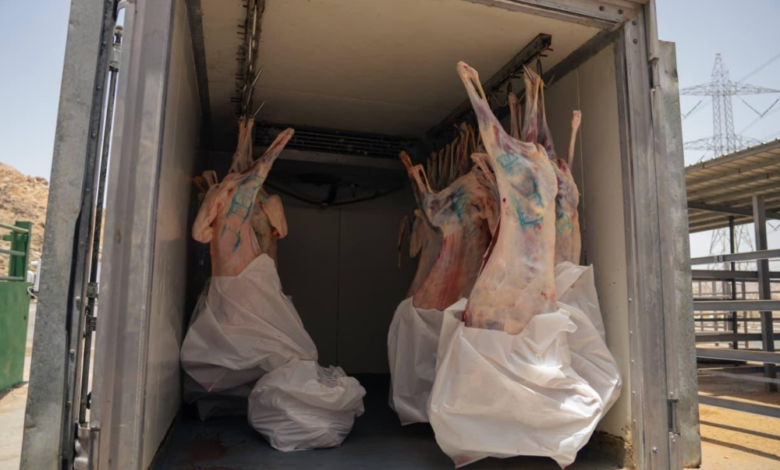
أسفرت الحملات التفتيشية الدقيقة عن ضبط 462 مخالفة للمعايير الصحية والتنظيمية، وتم اتخاذ الإجراءات اللازمة حيالها. وفيما يتعلق بسلامة اللحوم، التي تشكل جزءاً أساسياً من شعيرة الهدي والأضاحي، بلغ إجمالي المذبوحات في المسالخ المعتمدة 90,825 رأساً من الأنعام. وقد نتج عن الفحص البيطري الدقيق إعدام 8,492 حالة إعدام جزئي و1,125 حالة إعدام كلي، وذلك لعدم صلاحيتها للاستهلاك الآدمي، وهو إجراء وقائي حاسم للحفاظ على صحة المستهلكين ومنع انتشار الأمراض. كما تم تسليم 232 ذبيحة سليمة للجمعيات الخيرية لتوزيعها على المستحقين.
أبعد من الرقابة: استدامة وعمل تطوعي
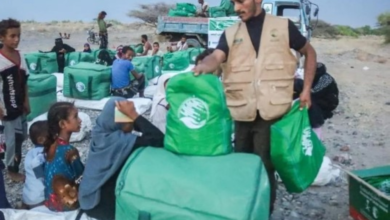
لم تقتصر الجهود على الرقابة فقط، بل امتدت لتشمل تعزيز مبادئ الاستدامة وحفظ النعمة. حيث شملت الجولات الميدانية المكثفة سوق الكعكية المركزي، وأسفرت عن تسليم ما يزيد على 7,618 كيلوجراماً من الخضراوات والفواكه الصالحة للاستهلاك للجمعيات الخيرية، بهدف الاستفادة من الفائض الغذائي. وعلى صعيد موازٍ، شهد الموسم حضوراً لافتاً للعمل التطوعي، حيث نُظمت 327 فرصة تطوعية شارك فيها 1,161 متطوعاً ومتطوعة عبر 10 جمعيات متخصصة، قاموا من خلالها بتقديم 1,585 وجبة غذائية وتوزيع أكثر من 305,191 عبوة مياه، في صورة تجسد قيم التكافل والعطاء التي يتميز بها المجتمع السعودي في خدمة ضيوف الرحمن.
ودعمت إدارة الخدمات المساندة هذه الأعمال الميدانية بمنظومة تشغيلية متكاملة شملت 26 فريقاً ميدانياً و341 موظفاً وموظفة، بالإضافة إلى تشغيل 57 مركبة وآلية، وإصدار 443 تصريحاً للأفراد، مما أسهم في تعزيز كفاءة الأداء الميداني وسرعة الاستجابة للمتطلبات التشغيلية في مختلف مواقع العمل بالمشاعر المقدسة.