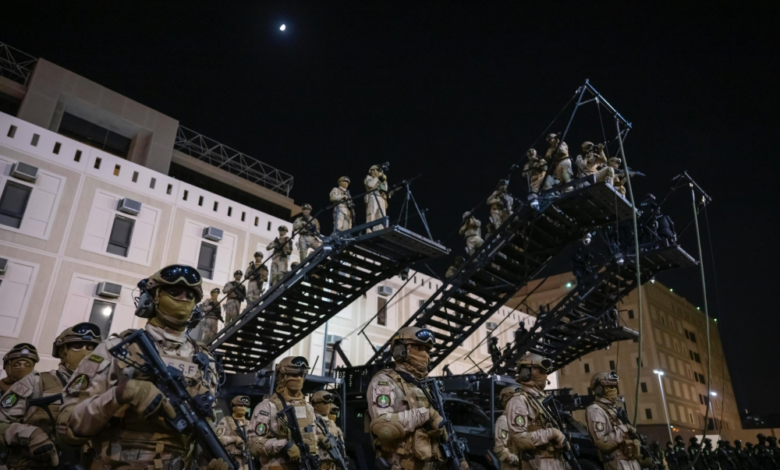

في إطار جهودها المستمرة لضمان أمن وسلامة حجاج بيت الله الحرام، أعلنت قوات أمن الحج عن إلقاء القبض على عشرة مقيمين من جنسيات مختلفة، شملت السودانية والمصرية واليمنية، وذلك لمخالفتهم الصريحة لأنظمة وتعليمات الحج. وأوضحت السلطات أن المخالفين حاولوا التسلل إلى العاصمة المقدسة عبر طرق ترابية وأودية وعرة، بهدف أداء فريضة الحج والبقاء في المشاعر المقدسة دون الحصول على التصريح الرسمي اللازم لموسم حج هذا العام 1445هـ. وقد تم إيقافهم على الفور واتخاذ كافة الإجراءات النظامية بحقهم تمهيداً لتطبيق العقوبات المقررة.
خلفية تاريخية وأهمية تنظيم الحج
تأتي هذه الإجراءات الصارمة ضمن استراتيجية شاملة تتبناها المملكة العربية السعودية لتنظيم موسم الحج، الذي يعد أكبر تجمع ديني سنوي في العالم. على مر العقود، واجهت إدارة الحج تحديات لوجستية وأمنية هائلة مع تزايد أعداد الحجاج من كافة أنحاء العالم. ولضمان سلامة ضيوف الرحمن وتوفير تجربة روحانية آمنة وسلسة، استحدثت الحكومة السعودية نظام التصاريح الإلكترونية وإجراءات تنظيمية دقيقة. يهدف هذا النظام إلى التحكم في أعداد الحجاج بما يتناسب مع الطاقة الاستيعابية للمشاعر المقدسة والبنية التحتية المتاحة، وتجنب المخاطر الناجمة عن الاكتظاظ الشديد، مثل حوادث التدافع التي وقعت في سنوات سابقة، والتي دفعت إلى إعادة تقييم شاملة لخطط إدارة الحشود.
التأثير المحلي والدولي للإجراءات التنظيمية
على الصعيد المحلي، يسهم تطبيق شعار “لا حج بلا تصريح” في تحقيق الانضباط وتسهيل حركة الحجاج النظاميين، وضمان حصولهم على الخدمات الأساسية من سكن ونقل ورعاية صحية بكفاءة عالية. كما أنه يمنع استغلال المخالفين للخدمات المخصصة للحجاج المسجلين، مما قد يؤدي إلى إرهاق المنظومة الصحية والأمنية. أما على الصعيد الدولي، فإن هذه الإجراءات تعزز من مكانة المملكة كراعٍ مسؤول للحرمين الشريفين، وتؤكد التزامها بتوفير أعلى معايير الأمان والسلامة لجميع المسلمين القادمين من مختلف دول العالم. إن نجاح تنظيم الحج ينعكس إيجاباً على صورة الإسلام والمسلمين عالمياً، ويبرز القدرة على إدارة تجمعات بشرية مليونية بنجاح.
دعوة للالتزام والتعاون
وقد جددت الإدارة العامة للمجاهدين، المشاركة ضمن قوات أمن الحج، دعوتها لجميع المواطنين والمقيمين إلى ضرورة الالتزام الكامل بالأنظمة والتعليمات المنظمة لموسم الحج. وأكدت أن التعاون مع الجهات المعنية هو السبيل الأمثل لتحقيق أمن وسلامة ضيوف الرحمن، مشددة على أن مخالفة هذه التعليمات تعرض مرتكبيها لعقوبات نظامية صارمة تشمل الغرامة المالية والترحيل والمنع من دخول المملكة لسنوات. كما حثت الجميع على المبادرة بالإبلاغ عن أي مخالفين أو حملات حج وهمية عبر الاتصال بالرقم (911) في مناطق مكة المكرمة والمدينة المنورة والرياض والشرقية، أو الرقم (999) في بقية مناطق المملكة، للمساهمة في الحفاظ على قدسية الشعيرة وسلامة الحجيج.