
في إنجاز أمني جديد يعكس التطور المستمر في إدارة الحشود، أعلن قائد قوات أمن الحج، الفريق محمد البسامي، عن انخفاض إجمالي أعداد المخالفين والمبعدين بنسبة 44% خلال موسم حج 1447هـ. جاء هذا الإعلان خلال المؤتمر الصحفي لقيادات قوات أمن الحج، حيث تم استعراض الخطط الأمنية والتنظيمية التي تم اعتمادها تنفيذاً لتوجيهات القيادة الرشيدة، وبمتابعة حثيثة من صاحب السمو الملكي وزير الداخلية رئيس لجنة الحج العليا.
السياق التاريخي والجهود المستمرة لخدمة ضيوف الرحمن
تاريخياً، تولي المملكة العربية السعودية منذ تأسيسها اهتماماً بالغاً وعناية فائقة بتأمين سلامة حجاج بيت الله الحرام. ومع تزايد أعداد الحجاج عاماً بعد عام، تطورت منظومة أمن الحج بشكل جذري، منتقلة من الأساليب التقليدية إلى توظيف أحدث التقنيات العالمية. هذا التطور يعكس التزام المملكة الراسخ بتوفير بيئة آمنة ومطمئنة لضيوف الرحمن، وهو ما يتماشى مع مستهدفات رؤية السعودية 2030 التي تسعى للارتقاء بجودة الخدمات المقدمة للحجاج والمعتمرين وتسهيل استضافة ملايين المسلمين من شتى بقاع الأرض.
تكامل منظومة أمن الحج لموسم 1447هـ
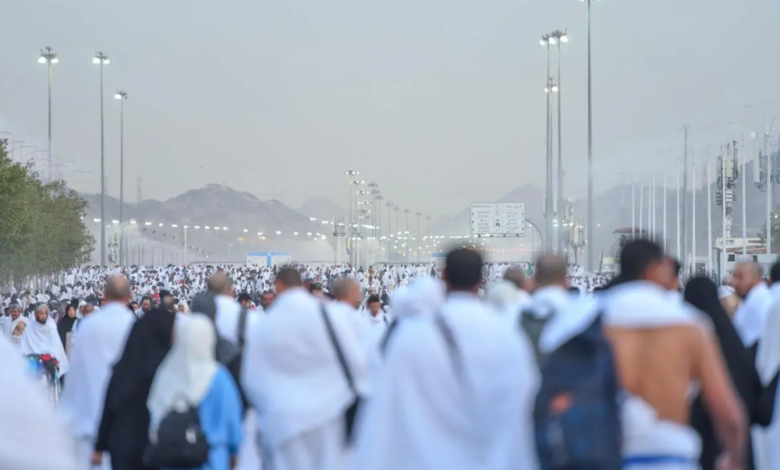
أوضح الفريق البسامي أن منظومة أمن الحج تعمل هذا العام بتكامل تام بين كافة الجهات الأمنية، والخدمية، والحكومية. يتم هذا التنسيق تحت إشراف لجنة الحج العليا، لضمان وضوح الأدوار، وتبادل المعلومات اللحظية، وتوحيد الموقف التشغيلي. وقد تم اعتماد خطط تشغيلية دقيقة لكل مرحلة من مراحل الحج، بدءاً من قدوم الحجاج، مروراً بيوم التروية، والتصعيد إلى مشعر عرفات، والنفرة إلى مزدلفة، وصولاً إلى أيام التشريق ومرحلة المغادرة. وتركز هذه الخطط على إدارة الكثافات البشرية وتخصيص مسارات آمنة داخل المنشآت الحيوية، وعلى رأسها منشأة الجمرات والمطاف.
توظيف التقنية والذكاء الاصطناعي في إدارة الحشود
في خطوة تعكس التحول الرقمي، كشف قائد قوات أمن الحج عن توظيف التقنيات الحديثة والبيانات الذكية لدعم اتخاذ القرار الميداني. شمل ذلك استخدام المراقبة الجوية المتقدمة، والتحليل اللحظي للبيانات داخل المسجد الحرام والمشاعر المقدسة. هذه التقنيات لا تدعم فقط الجهود البشرية، بل تسهم في تقليص زمن الاستجابة لأي طارئ، مما يعزز من كفاءة إدارة الحشود في المواقع ذات الكثافة العالية، ويضمن انسيابية الحركة المرورية على الطرق المؤدية إلى مكة المكرمة.
التأثير المحلي والدولي لنجاح الخطط الأمنية
يحمل هذا النجاح الأمني أهمية كبرى على عدة أصعدة. محلياً، يثبت قدرة الأجهزة الأمنية السعودية على التعامل مع التحديات اللوجستية المعقدة بكفاءة عالية، مما يعزز الثقة في البنية التحتية للمملكة. وإقليمياً ودولياً، يبعث رسالة طمأنينة للعالم الإسلامي بأسره حول سلامة مواطنيهم، كما يرسخ مكانة المملكة كنموذج عالمي رائد في إدارة الحشود والتجمعات البشرية الضخمة.
مؤشرات النجاح والالتزام بالأنظمة
أظهرت المؤشرات الميدانية تحسناً ملموساً في مستوى التزام ضيوف الرحمن بالتعليمات مقارنة بالأعوام السابقة. وإلى جانب انخفاض أعداد المخالفين بنسبة 44%، تراجعت أيضاً حملات الحج الوهمية بنسبة 13%، حيث تم ضبط مئات الحملات غير النظامية وإعادة المخالفين. وأكد البسامي أن هذه الأرقام الإيجابية هي ثمرة الحزم في تطبيق الأنظمة، وفعالية الإجراءات الاستباقية، وارتفاع مستوى الوعي لدى الحجاج بأهمية استخراج التصاريح الرسمية.
واختتم الفريق البسامي تصريحاته بدعوة الجميع إلى الالتزام التام بالأنظمة، محذراً من الانسياق خلف الحملات الوهمية أو محاولات الدخول غير النظامي إلى مكة المكرمة. وشدد على أن سلامة الحج هي مسؤولية مشتركة تبدأ من وعي الحاج والتزامه، وتكتمل بجهود الدولة التي تعمل على مدار الساعة لتقديم أفضل الخدمات وتحسين التجربة الإيمانية لضيوف الرحمن.