
قيادة قوات أمن الحج تعلن منع دخول المركبات غير المصرحة للمشاعر المقدسة
في إطار الجهود المستمرة لضمان سلامة وراحة ضيوف الرحمن، أعلنت قيادة قوات أمن الحج عن قرارها الحازم بمنع دخول المركبات غير المصرح لها إلى المشاعر المقدسة ومكة المكرمة خلال موسم الحج. يأتي هذا القرار الاستراتيجي ضمن الخطط الأمنية والمرورية الشاملة التي تهدف إلى تنظيم حركة الحشود وتسهيل تنقلات الحجاج بين المشاعر بكل يسر وسهولة.
السياق العام والخلفية التاريخية لتنظيم المرور في الحج
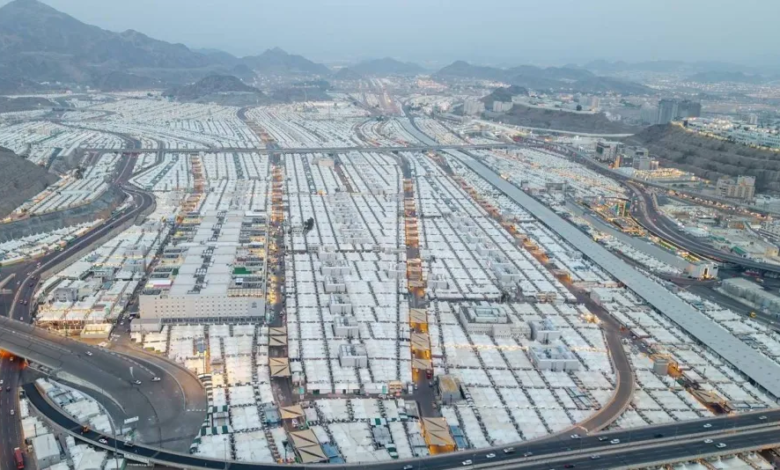
تتمتع المملكة العربية السعودية بخبرة تاريخية طويلة ومتراكمة في إدارة الحشود المليونية خلال مواسم الحج والعمرة. ومع تزايد أعداد الحجاج القادمين من كافة أنحاء العالم عاماً بعد عام، برزت الحاجة الماسة لتطوير آليات تنظيم المرور في مساحات جغرافية محدودة مثل منى ومزدلفة وعرفة. تاريخياً، كانت المركبات الصغيرة وغير المصرحة تتسبب في اختناقات مرورية تعيق حركة المشاة وحافلات النقل الترددي؛ مما دفع الجهات المعنية إلى سن قوانين صارمة تمنع دخول أي مركبة لا تحمل تصريحاً رسمياً يخولها العمل داخل المشاعر المقدسة خلال أيام التروية والتصعيد والنفرة.
أهمية القرار وتأثيره المتوقع على سلامة الحجاج
يحمل قرار منع دخول المركبات غير المصرحة أهمية بالغة على عدة مستويات، محلياً وإقليمياً ودولياً. على الصعيد المحلي، يسهم هذا الإجراء في تخفيف العبء عن شبكة الطرق داخل مكة المكرمة والمشاعر، مما يتيح لمركبات الطوارئ، مثل سيارات الإسعاف والدفاع المدني والجهات الأمنية، حرية الحركة وسرعة الاستجابة لأي طارئ. كما يعزز من كفاءة خطط النقل العام والقطارات التي تعتمد عليها منظومة الحج بشكل رئيسي.
أما على الصعيد البيئي والصحي، فإن تقليل عدد المركبات العاملة بالوقود داخل المشاعر المقدسة يؤدي بشكل مباشر إلى خفض الانبعاثات الكربونية وتقليل مستويات التلوث والضوضاء، مما يوفر بيئة صحية وآمنة للحجاج لأداء مناسكهم في أجواء روحانية هادئة.
التأثير الإقليمي والدولي ورسالة الطمأنينة
دولياً، يبعث هذا التنظيم الدقيق برسالة طمأنينة واضحة لجميع الدول الإسلامية وللمجتمع الدولي بأسره، مفادها أن حكومة المملكة تضع أمن وسلامة الحجاج في قمة أولوياتها. من خلال تطبيق هذه المعايير الصارمة، تضمن السلطات السعودية انسيابية الحركة وتقليل نسب الحوادث المرورية إلى الحد الأدنى، وهو ما ينعكس إيجاباً على تجربة الحاج ويعزز من نجاح الموسم.
آليات التنفيذ والرقابة الصارمة
لضمان تطبيق هذا القرار بفعالية، تقوم الجهات الأمنية بنشر نقاط فرز وتفتيش متعددة على جميع المداخل المؤدية إلى مكة المكرمة والمشاعر المقدسة. وتعمل هذه النقاط على مدار الساعة للتحقق من تصاريح المركبات وقائديها. وقد حذرت مديرية الأمن العام من أن أي محاولة لمخالفة هذه التعليمات ستواجه بحزم، حيث سيتم إعادة المركبات المخالفة وتطبيق العقوبات والغرامات المقررة نظاماً بحق المخالفين. وتدعو الجهات المعنية جميع المواطنين والمقيمين إلى التعاون والالتزام بالتعليمات لضمان إنجاح خطط الحج وتوفير أقصى درجات الراحة لضيوف الرحمن.