
جهود سعودية متواصلة لخدمة ضيوف الرحمن
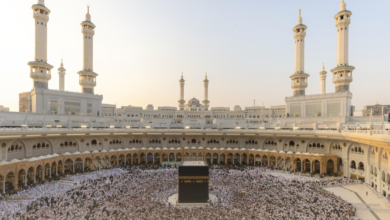
مع توافد حجاج بيت الله الحرام إلى المدينة المنورة قبل وبعد أداء مناسك الحج، تتجلى الجهود الكبيرة التي تبذلها المملكة العربية السعودية لضمان راحة وسلامة ضيوف الرحمن. وفي هذا الإطار، يشهد المسجد النبوي الشريف ومحيطه خلال موسم الحج الحالي منظومة متكاملة من الخدمات المخصصة لكبار السن وذوي الإعاقة، بهدف تيسير تنقلهم وتمكينهم من أداء عباداتهم وزياراتهم بكل يُسر وطمأنينة، وذلك ضمن استراتيجية شاملة تهدف إلى رفع جودة الخدمات المقدمة لقاصدي الحرمين الشريفين.
خلفية تاريخية لخدمة الحجاج
تعتبر خدمة الحجاج والمعتمرين شرفًا تاريخيًا توليه المملكة العربية السعودية أهمية قصوى منذ تأسيسها. وعلى مر العقود، تطورت هذه الخدمات من جهود فردية ومحدودة إلى منظومة مؤسسية ضخمة تستخدم أحدث التقنيات وأفضل الممارسات العالمية في إدارة الحشود والخدمات اللوجستية والصحية. وتأتي العناية بالفئات الأكثر حاجة، مثل كبار السن وذوي الإعاقة، على رأس أولويات هذه المنظومة، إيمانًا بأن تيسير أداء الركن الخامس من أركان الإسلام لجميع المسلمين القادرين هو واجب ومسؤولية عظيمة. وتعكس هذه الخدمات المتخصصة النقلة النوعية التي شهدتها البنية التحتية والتنظيمية في الحرمين الشريفين، والتي تهدف إلى تحقيق تجربة روحانية آمنة ومريحة للجميع.
تفاصيل الخدمات المقدمة في المسجد النبوي
تشمل الخدمات المقدمة حزمة واسعة من التسهيلات التي تغطي كافة جوانب تجربة الزائر من كبار السن وذوي الإعاقة، ومن أبرزها:
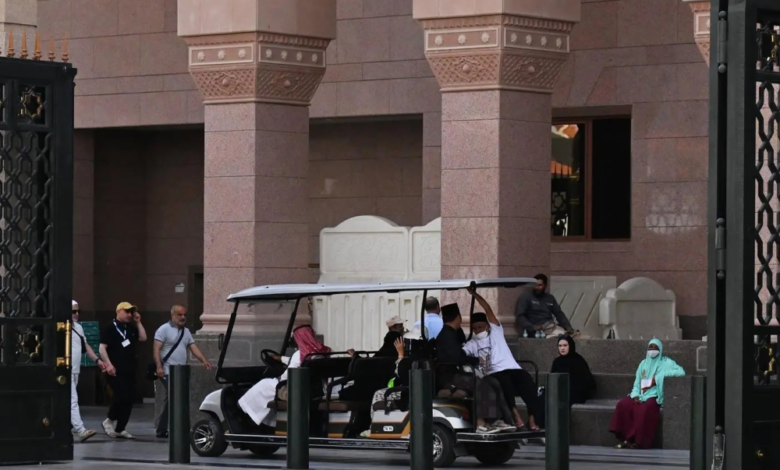
- تسهيلات الوصول والتنقل: تم توفير آلاف العربات الكهربائية والعادية في مواقع مخصصة حول المسجد النبوي، مع تهيئة الممرات والمداخل والمصاعد لتسهيل حركة المستفيدين. كما تم تخصيص مسارات ومواقع صلاة مناسبة تراعي احتياجاتهم الخاصة، مما يضمن لهم الوصول السهل إلى الروضة الشريفة وأماكن الصلاة دون عناء.
- الدعم البشري والإرشادي: تعمل فرق ميدانية وإرشادية متخصصة على تقديم الدعم المباشر في مواقع متعددة داخل المنطقة المركزية. يقوم هؤلاء المتطوعون والموظفون بمساعدة كبار السن في الوصول إلى المصليات والمرافق، والمساهمة في تنظيم الحركة خلال أوقات الذروة لتعزيز السلامة والانسيابية.
- الخدمات الرقمية والتقنية: لمواكبة التحول الرقمي، تم تفعيل خدمات ذكية تُسهم في تيسير الوصول للمعلومات، مثل الخرائط التفاعلية التي يمكن الوصول إليها عبر مسح “الباركود” (QR Code) الموجود على أبواب وساحات المسجد النبوي، بالإضافة إلى تطبيقات إرشادية متعددة اللغات.
الأهمية والتأثير المحلي والدولي
على الصعيد المحلي، تعزز هذه الجهود من مكانة المملكة كقائدة للعالم الإسلامي وخادمة للحرمين الشريفين، وتتوافق مع مستهدفات رؤية السعودية 2030 التي تهدف إلى إثراء التجربة الدينية للحجاج والمعتمرين. أما على الصعيد الدولي، فإن توفير هذه البيئة الآمنة والمُهيأة لجميع الفئات العمرية والجسدية يرسل رسالة إيجابية للعالم أجمع حول قيم الإسلام السمحة التي تدعو إلى رعاية كبار السن والاهتمام بالضعفاء. كما أنها تترك أثرًا طيبًا في نفوس الحجاج القادمين من مختلف دول العالم، الذين يعودون إلى بلادهم حاملين ذكريات عن تجربة حج ميسرة ومفعمة بالروحانية، مما يعزز من سمعة المملكة عالميًا.