Hajj and Umrah authorities prohibit 25 violations in the Two Holy Mosques, most notably politics and smoking

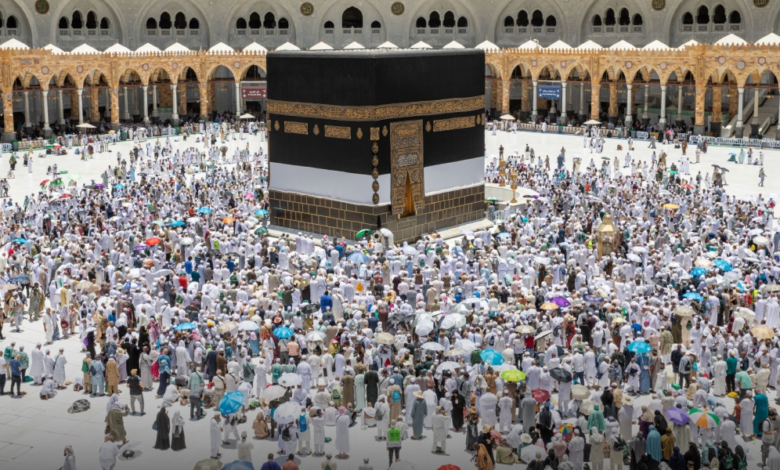
The Saudi Ministry of Hajj and Umrah has issued a comprehensive guide titled "Umrah and Visit Guide," which includes a set of strict instructions prohibiting 25 behavioral and organizational violations within the Two Holy Mosques and their courtyards. This step comes as part of the Kingdom's efforts to regulate the Umrah pilgrimage, ensure the smooth flow of movement, and preserve the sanctity of the holy sites, especially with the increasing number of pilgrims and visitors from around the world.
General context and efforts of Vision 2030
These new guidelines are part of the Kingdom's comprehensive strategy under Vision 2030, which aims to host 30 million Umrah pilgrims annually by 2030. The Hajj and Umrah sector has witnessed a tremendous digital and organizational transformation, exemplified by the launch of the Nusuk platform and the streamlining of visa procedures. This guide complements these technological efforts, focusing on behavioral and organizational aspects to ensure that visitors' conduct aligns with the development of services and infrastructure, and to maintain public tranquility in the holiest places on earth.
Key prohibitions: Politics, smoking, and crowding
The guide identified a list of prohibitions that visitors to the Grand Mosque and the Prophet's Mosque must avoid, and it was divided into several aspects:
- Security and political prohibitions: The ministry stressed the prohibition of bringing in or carrying any banners or flags, or launching political or partisan slogans, stressing that the Two Holy Mosques are for worship only and are not arenas for expressing political opinions, in order to preserve the unity of Muslims and keep the rituals away from any worldly conflicts.
- Behavioral and health prohibitions: Smoking is strictly prohibited in public squares, facilities, and hotel entrances. Begging and unauthorized fundraising are also prohibited. Furthermore, the public is warned against crowding to touch the Kaaba or the Black Stone, as this could cause harm to oneself and others.
- Regulatory prohibitions: The list included prohibiting sleeping in the corridors, using electrical outlets for unsafe personal purposes, carrying large luggage into the sanctuary, and using private loudspeakers.
Regulatory procedures and logistical services
The guide clarified that all Muslim visitors can perform Umrah regardless of their visa type, provided they obtain a permit through the Nusuk app. It also highlighted the availability of multiple, advanced transportation options, most notably the Haramain High-Speed Railway, which connects Mecca and Medina to Jeddah, facilitating the movement of pilgrims and reducing traffic congestion.
Importance and expected impact
Adherence to these instructions is expected to contribute to tangible positive effects on several levels:
- Locally: Improving crowd management and reducing overcrowding and injuries resulting from stampedes, thus easing the burden on security and medical teams inside the sanctuary.
- Islamically and internationally: To enhance the civilized image of the holy sites, and to ensure a safe and accessible spiritual experience for pilgrims of all nationalities, thus encouraging more Muslims to come and perform the rituals in an organized and safe environment.
The ministry concluded its guide by emphasizing that adherence to these instructions reflects the religious and cultural awareness of the pilgrim, and contributes to making the Umrah trip a good memory free from violations that may disrupt the worship.