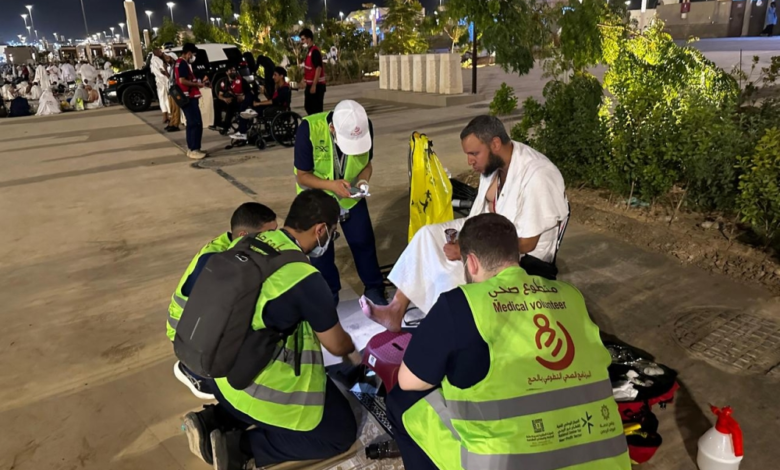

انطلاق جهود الرعاية الصحية التطوعية في المشاعر المقدسة
مع توافد حجاج بيت الله الحرام إلى المشاعر المقدسة لأداء مناسك الحج لعام 1445هـ، بدأت الفرق الميدانية للبرنامج الصحي التطوعي بالحج أعمالها في موسمها الثامن عشر، حيث انطلق 115 فريقًا ميدانيًا متخصصًا لخدمة ضيوف الرحمن. يهدف البرنامج إلى تقديم الرعاية الصحية الأولية والخدمات التوعوية والوقائية في المواقع ذات الكثافة البشرية العالية، لضمان سلامة الحجاج وتوفير استجابة سريعة لأي طارئ صحي.
خلفية تاريخية وأهمية الرعاية الصحية في الحج
تولي المملكة العربية السعودية أهمية قصوى لخدمة الحجاج، وتعد الرعاية الصحية حجر الزاوية في منظومة الخدمات المتكاملة المقدمة لهم. على مر العقود، تطورت الخدمات الصحية لمواكبة الأعداد المليونية من الحجاج القادمين من مختلف أنحاء العالم، وما يصاحب ذلك من تحديات لوجستية وصحية. ويأتي العمل التطوعي كرافد أساسي ومهم لدعم جهود وزارة الصحة والجهات الحكومية الأخرى، حيث يجسد قيم التكافل والعطاء، ويسهم في سد أي فجوات قد تنشأ نتيجة الضغط الهائل على البنية التحتية الصحية خلال الموسم. إن وجود برامج منظمة مثل البرنامج الصحي التطوعي يعكس النضج المؤسسي في إدارة الحشود وتقديم خدمات متخصصة ومرنة.
خطة انتشار ميدانية لضمان تغطية شاملة
باشرت الفرق التطوعية مهامها مساء اليوم الثامن من شهر ذي الحجة، وتستمر في مشعر عرفات يوم التاسع، وفق خطة ميدانية محكمة تضمن توزيع نقاط الرعاية الصحية التطوعية في مناطق استراتيجية تشمل منى، وعرفات، ومزدلفة، بالإضافة إلى خطوط المشاة الرئيسية. تم تصميم الخطة لتتوافق مع مسارات تفويج الحجاج أثناء تأدية المناسك، مما يضمن سرعة الاستجابة وتقديم الخدمة الصحية الميدانية بكفاءة وجودة عالية. ويبلغ عدد الفرق الميدانية المشاركة 115 فريقًا، تغطي مواقع حيوية مثل جسر الجمرات بأدواره الأربعة في مشعر منى، بهدف تقديم الرعاية الصحية الأولية وتعزيز الوعي الصحي والحد من الإصابات والمضاعفات الصحية بين الحجاج.
تأهيل وتمكين الكوادر التطوعية
أوضح الدكتور جاسر بن عبدالله الشهري، رئيس مجلس إدارة الجمعية الخيرية للرعاية الصحية الأولية “درهم وقاية”، وهي الجهة المنفذة للبرنامج، أن عدد المتطوعين والمتطوعات المشاركين هذا العام بلغ 710 أفراد، منهم 402 متطوع و308 متطوعات. وأكد أن هؤلاء المتطوعين خضعوا لبرنامج تدريبي مكثف شمل الجانبين النظري والميداني، بإجمالي 19,880 ساعة تدريبية. تضمن التدريب 20 ورشة عمل ومحاضرة قدمها 10 مدربين متخصصين، بهدف رفع جاهزية الفرق وتمكينها من التعامل مع أبرز الحالات الصحية الشائعة في موسم الحج، مثل حالات الإجهاد الحراري وضربات الشمس، وإصابات القدم، وحالات الإعياء. كما ركز التدريب على إكساب المتطوعين المهارات اللازمة لفرز الحالات أثناء الطوارئ والكوارث، وتحديد الحالات التي تستدعي التحويل إلى المراكز الصحية والمستشفيات.
الأثر المحلي والدولي وتماشيًا مع رؤية 2030
يُنفذ البرنامج تحت إشراف ودعم عدد من الجهات ذات العلاقة، مما يعكس تكامل الجهود بين القطاع غير الربحي والجهات الحكومية والصحية. لا يقتصر تأثير هذا البرنامج على المستوى المحلي في رفع الوعي الصحي وتقليل المخاطر الصحية، بل يمتد أثره إلى المستوى الدولي، حيث يبرز الصورة المشرقة للمملكة في خدمة الحرمين الشريفين وضيوف الرحمن. كما يهدف البرنامج إلى تعزيز ثقافة التطوع الصحي لدى طلاب وطالبات الكليات الصحية، وتمكين الكفاءات الوطنية من المشاركة الفاعلة في خدمة الحجاج، وهو ما ينسجم مع مستهدفات رؤية المملكة 2030 وبرنامج “خدمة ضيوف الرحمن” في الارتقاء بجودة الخدمات المقدمة للحجاج والمعتمرين.