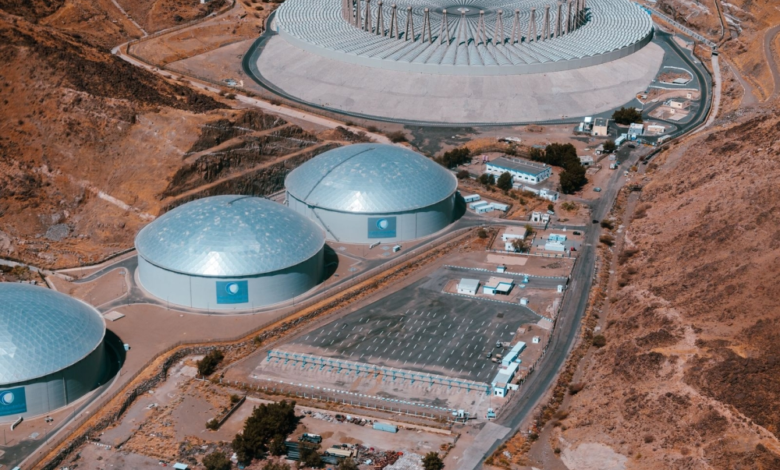

في إطار الجهود المتواصلة لخدمة حجاج بيت الله الحرام، أعلنت شركة المياه الوطنية عن إنجاز تشغيلي كبير في أول أيام التشريق، الموافق للحادي عشر من شهر ذي الحجة، حيث نجحت في توزيع كميات ضخمة من المياه بلغت 829,229 مترًا مكعبًا في مكة المكرمة والمشاعر المقدسة. وتأتي هذه الخطوة لضمان تلبية احتياجات ضيوف الرحمن من المياه النقية خلال أدائهم لمناسكهم، خاصة في ظل الكثافة البشرية العالية التي تشهدها هذه الأيام المباركة.
خلفية تاريخية وأهمية أيام التشريق
تعتبر أيام التشريق (11، 12، و13 من ذي الحجة) ذروة مناسك الحج بعد يوم النحر، حيث يقضي الحجاج معظم أوقاتهم في مشعر منى لرمي الجمرات الثلاث. هذا التجمع المليوني في منطقة جغرافية محددة يفرض تحديات لوجستية هائلة، وعلى رأسها توفير المياه الصالحة للشرب والاستخدام. على مر العصور، شكل تأمين المياه للحجاج تحديًا كبيرًا، بدءًا من المشاريع التاريخية مثل “عين زبيدة” وصولًا إلى المنظومة المائية الحديثة والمتكاملة التي تديرها المملكة العربية السعودية اليوم، والتي تعد شهادة على التطور التقني والهندسي الذي سخّر لخدمة الحرمين الشريفين وقاصديهما.
كفاءة تشغيلية عالية لضمان استمرارية الخدمة
أكدت شركة المياه الوطنية أن المنظومة التشغيلية والميدانية تعمل بكفاءة واستقرار تام، حيث لم يتم تسجيل أي انقطاعات مؤثرة في عمليات ضخ وتوزيع المياه. ويتم ذلك عبر شبكة مائية عملاقة تمتد لأكثر من 5,700 كيلومتر، مدعومة بشبكة للخدمات البيئية (الصرف الصحي) تتجاوز 4,000 كيلومتر. كما عالجت الشركة أكثر من 610 آلاف متر مكعب من المياه الواردة إلى محطتي المعالجة البيئية في “حدا” و”عرنة”، مما يعكس التزامها بالمعايير البيئية إلى جانب توفير المياه. هذا الأداء المتميز يضمن استمرارية تدفق المياه على مدار الساعة إلى كافة المشاعر المقدسة ومرافق الحرم المكي الشريف، مساهمًا في راحة الحجاج وسلامتهم.
الجودة والسلامة: أكثر من 4 آلاف فحص مخبري
لم تقتصر الجهود على توفير الكميات الكافية من المياه فحسب، بل امتدت لتشمل ضمان جودتها وسلامتها. وفي هذا السياق، كشفت الشركة عن تنفيذ فرقها الفنية والمختبرية لـ 4,283 فحصًا مخبريًا دقيقًا خلال اليوم نفسه. هذه الفحوصات تهدف إلى التأكد التام من مطابقة المياه للمواصفات القياسية المعتمدة، وحماية ضيوف الرحمن من أي مخاطر صحية قد تنجم عن تلوث المياه، وهو إجراء وقائي بالغ الأهمية في التجمعات البشرية الكبرى.
الأهمية الاستراتيجية ضمن رؤية المملكة 2030
يندرج هذا النجاح التشغيلي ضمن الخطط الاستراتيجية المتكاملة التي وضعتها حكومة المملكة لخدمة الحجاج، والتي تتماشى مع مستهدفات رؤية المملكة 2030 الرامية إلى رفع جودة الخدمات المقدمة لضيوف الرحمن وتيسير رحلتهم الإيمانية. إن القدرة على إدارة وتوزيع هذه الكميات الهائلة من المياه بكفاءة وجودة عالية لا تعكس فقط قوة البنية التحتية، بل تؤكد أيضًا على الدور الريادي للمملكة على الساحة الدولية في إدارة الحشود وتقديم نموذج عالمي في تنظيم أكبر التجمعات الدينية سنويًا، مما يعزز مكانتها كقلب للعالم الإسلامي.