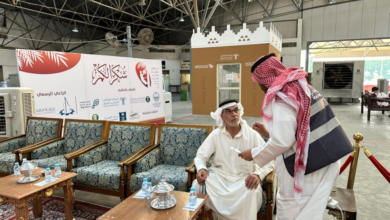

أعلنت الصحة القابضة والتجمعات الصحية التابعة لها عن اختتام النسخة الثانية من مبادرة “حج بصحة” لموسم حج هذا العام 1445هـ، والتي حققت نجاحاً لافتاً عبر تقديم خدماتها المتكاملة لأكثر من 134,329 حاجاً من حجاج الداخل. وتأتي هذه المبادرة، التي نُفذت بالشراكة مع البنك العربي الوطني، كجزء من منظومة الرعاية الصحية الشاملة التي توفرها المملكة لضيوف الرحمن، وتماشياً مع مستهدفات برنامج تحول القطاع الصحي ورؤية المملكة 2030.
خلفية تاريخية وجهود متواصلة لرعاية الحجاج
لطالما أولت المملكة العربية السعودية صحة وسلامة حجاج بيت الله الحرام أولوية قصوى على مر العصور. فإدارة الحشود المليونية القادمة من مختلف أنحاء العالم، والتي تحمل خلفيات صحية وبيئية متنوعة، يمثل تحدياً لوجستياً وصحياً هائلاً. وقد تطورت الخدمات الصحية المقدمة للحجاج بشكل جذري، من مستوصفات ومراكز طبية أولية في بدايات الدولة، إلى منظومة صحية متكاملة اليوم تضم مستشفيات متخصصة، وفرقاً طبية ميدانية، وتقنيات صحية متطورة. وتعتبر مبادرة “حج بصحة” امتداداً طبيعياً لهذا الإرث العريق، حيث تنقل الرعاية الصحية إلى مستوى جديد يركز على الوقاية الاستباقية والتوظيف المبتكر للتقنية الرقمية.
قفزة نوعية في الرعاية الوقائية والرصد الصحي
شهدت المبادرة في موسمها الحالي قفزة نوعية في جوانب الرصد والوقاية، حيث نفذت الكوادر الوطنية أكثر من 120,736 فحصاً مخبرياً للحجاج. وأسهمت هذه الفحوصات الاستباقية في اكتشاف ورصد 16,994 حالة إصابة بأمراض مزمنة لم تكن مشخصة من قبل، شملت داء السكري، وارتفاع ضغط الدم، وأمراضاً أخرى. هذا النهج الوقائي لا يضمن فقط سلامة الحاج خلال تأدية مناسكه، بل يساهم أيضاً في تحسين جودة حياته على المدى الطويل من خلال تمكينه من إدارة حالته الصحية بفعالية بعد انتهاء موسم الحج.
توظيف التقنيات الذكية لخدمة ضيوف الرحمن
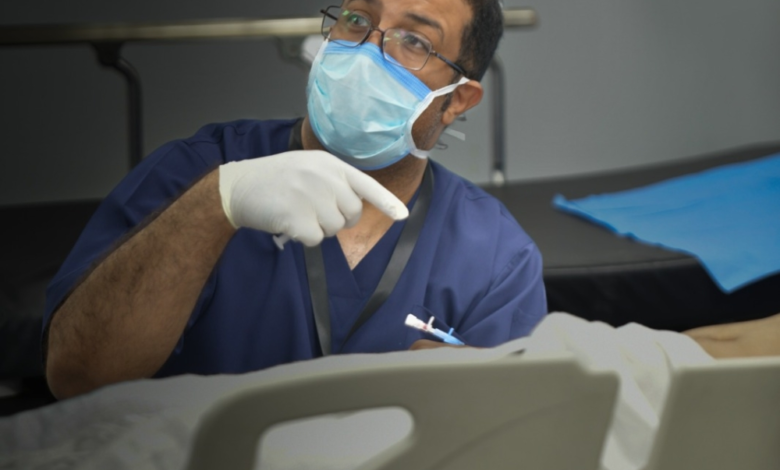
في تحول تقني هو الأول من نوعه على مستوى المملكة، وظفت المبادرة أجهزة الحساسات الذكية لمراقبة مرضى السكري عن بعد على مدار الساعة. وقد تم التواصل الفعال مع أكثر من 3,036 حاجاً في 5 مناطق مختلفة لتركيب هذه الحساسات للمصابين بالحالات عالية الخطورة. وأتاحت هذه التقنية قراءة بياناتهم الصحية لحظياً عبر مركز القيادة والتحكم بالسكري التابع للصحة القابضة، وبإشراف مباشر من أطباء سعوديين متخصصين، مما سمح بالتدخل السريع والفعال عند الحاجة وضمان استقرار حالتهم الصحية خلال أداء المناسك.
أهمية المبادرة وتأثيرها المتوقع
تتجاوز أهمية مبادرة “حج بصحة” حدود الرعاية الطبية المباشرة. فعلى الصعيد المحلي، تعكس المبادرة التزام المملكة بتحقيق أهداف رؤية 2030، خاصة في محور التحول الرقمي للقطاع الصحي، وتعزيز جودة الحياة. أما على الصعيدين الإقليمي والدولي، فإنها تقدم نموذجاً رائداً يمكن الاستفادة منه في إدارة الصحة العامة خلال التجمعات البشرية الكبرى، وتعزز من مكانة المملكة كقائد في مجال الخدمات الإنسانية والتكنولوجية، وتبعث برسالة طمأنة لملايين المسلمين حول العالم بأن صحة وسلامة الحجاج هي في قمة أولويات المملكة.
رعاية ميدانية متكاملة وخدمات علاجية
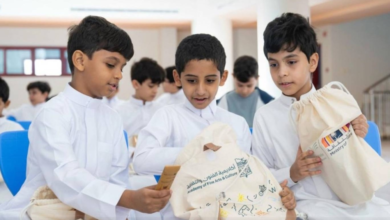
على الصعيد العلاجي والوقائي الميداني، قدمت حملة “حج بصحة” حزمة متكاملة من الخدمات، شملت صرف أكثر من 18,359 وصفة دوائية، وتوزيع 8,324 حقيبة طوارئ مخصصة لمرضى السكري. كما تم تكثيف الزيارات الميدانية لمقرات سكن الحجاج لتقديم الاستشارات والفحوصات الأولية. وتولى تجمع مكة المكرمة الصحي المتابعة الميدانية المباشرة للحالات التي اكتُشفت خلال الموسم، لضمان استمرارية الرعاية وربطهم إلكترونياً بمراكز الرعاية الصحية الأولية في مدنهم عبر برنامج “طبيب الأسرة” فور انتهاء رحلة حجهم.