
استعدادات متكاملة في مدينة الحجاج بحالة عمار
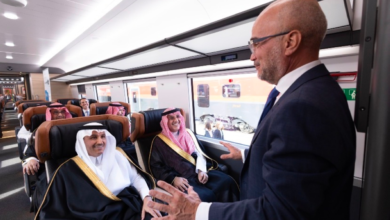
تحت إشراف ومتابعة مباشرة من صاحب السمو الملكي الأمير فهد بن سلطان بن عبدالعزيز، أمير منطقة تبوك والمشرف العام على أعمال الحج بالمنطقة، بدأت مدينة الحجاج بمنفذ حالة عمار استقبال طلائع ضيوف الرحمن القادمين برًا لأداء مناسك الحج لهذا العام 1447هـ. وقد استنفرت كافة الجهات الحكومية والخدمية والأهلية طاقاتها لتقديم منظومة متكاملة من الخدمات التي تضمن للحاج رحلة إيمانية ميسرة منذ لحظة وصوله إلى أراضي المملكة العربية السعودية.
بوابة تاريخية للحج البري
يُعد منفذ حالة عمار، الواقع على الحدود السعودية الأردنية، أحد أهم المعابر البرية في المملكة، وله أهمية تاريخية كبرى كبوابة رئيسية للحجاج القادمين من بلاد الشام وشمال إفريقيا وتركيا ودول أخرى. على مر العصور، كان هذا المنفذ نقطة عبور حيوية لقوافل الحجيج، واليوم، تواصل المملكة تطويره وتجهيزه بأحدث التقنيات والمرافق. وتجسد “مدينة الحجاج” في حالة عمار هذا الاهتمام، حيث تم تصميمها لتكون محطة استقبال نموذجية توفر للحاج كل ما يحتاجه من خدمات أساسية ولوجستية قبل استكمال رحلته إلى المشاعر المقدسة.
منظومة خدمات على مدار الساعة
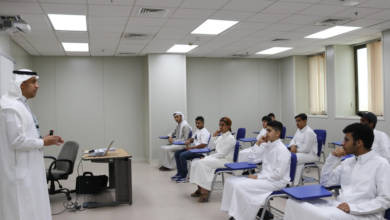
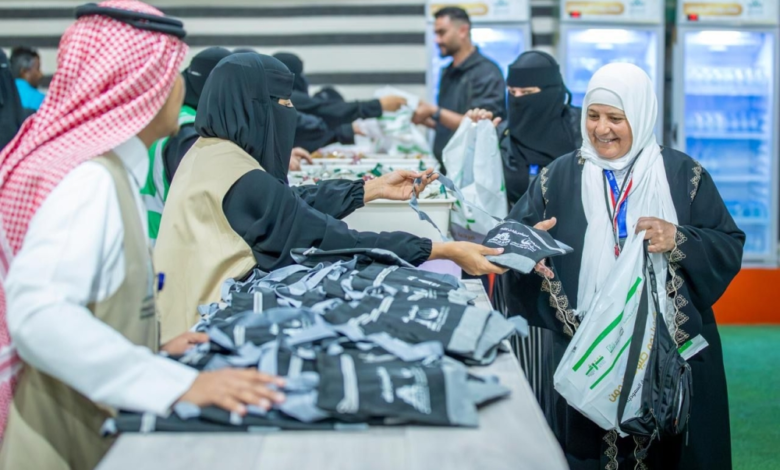
تعمل مدينة الحجاج كخلية نحل على مدار الساعة، حيث تتناغم جهود مختلف القطاعات لخدمة ضيوف الرحمن. تشمل هذه المنظومة كوادر من المديرية العامة للجوازات لإنهاء إجراءات الدخول بسلاسة، وهيئة الزكاة والضريبة والجمارك، ووزارة الصحة التي توفر مراكز صحية مجهزة بالكامل وفرق طبية وقائية وعلاجية. كما تشارك وزارة الشؤون الإسلامية والدعوة والإرشاد في توعية الحجاج وتقديم الكتيبات الإرشادية، إلى جانب الجهات الأمنية التي تضمن سلامة الحجاج وأمنهم. ويساهم المتطوعون والجمعيات غير الربحية بدور فاعل في استقبال الحجاج بالترحاب وتقديم وجبات الضيافة والمياه والمشروبات الباردة، مما يرسم صورة مشرقة عن كرم الضيافة السعودية.
أهمية استراتيجية وتأثير إيجابي
لا تقتصر أهمية مدينة الحجاج على الجانب الخدمي فقط، بل تمتد لتشمل أبعادًا استراتيجية واقتصادية. فعلى المستوى المحلي، تساهم هذه العمليات الموسمية في تنشيط الحركة الاقتصادية في منطقة تبوك. وعلى المستوى الوطني، تعكس هذه الجهود التزام المملكة الراسخ بخدمة الحرمين الشريفين وقاصديهما، وهو ما يمثل ركيزة أساسية في سياستها ودورها الريادي في العالم الإسلامي. كما تتماشى هذه الخدمات المتطورة مع أهداف رؤية السعودية 2030، التي تهدف إلى إثراء التجربة الدينية للحجاج والمعتمرين وتسهيل رحلتهم.
انطباعات إيجابية وتقدير من ضيوف الرحمن
وقد أعرب الحجاج القادمون عن بالغ شكرهم وتقديرهم لحكومة خادم الحرمين الشريفين الملك سلمان بن عبدالعزيز آل سعود، وسمو ولي عهده الأمين -حفظهما الله- على ما وجدوه من حفاوة استقبال وخدمات متكاملة وتسهيلات كبيرة منذ لحظة وصولهم. وأشادوا بالانسيابية العالية في إنهاء الإجراءات ودقة التنظيم، مؤكدين أن هذه الخدمات المتميزة أزالت عنهم عناء السفر وهيأت لهم بداية مريحة لرحلتهم الإيمانية نحو مكة المكرمة والمدينة المنورة. وأوضحوا أن ما شاهدوه من تنظيم يعكس المستوى الاحترافي الذي وصلت إليه المملكة في إدارة مواسم الحج وخدمة ملايين المسلمين القادمين من شتى بقاع الأرض.