
في تطور جديد يعكس هشاشة الأوضاع في قطاع غزة، حملت حركة حماس المنسق الخاص للأمم المتحدة لعملية السلام في الشرق الأوسط، نيكولاي ملادينوف، المسؤولية المباشرة عن أي تصعيد غزة قد يحدث. يأتي هذا الموقف في وقت حرج تتواصل فيه الاتصالات المكثفة التي يقودها وسطاء إقليميون، وعلى رأسهم مصر وقطر، في محاولة لنزع فتيل التوتر ومنع انزلاق الأمور نحو مواجهة عسكرية شاملة جديدة.
جذور التوتر المستمر في القطاع
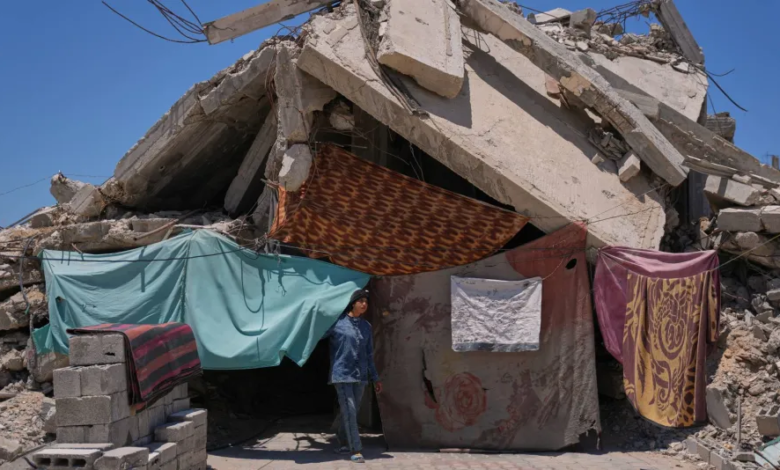
لم يأتِ هذا التوتر من فراغ، بل هو نتيجة لتراكمات سنوات طويلة من الحصار الإسرائيلي المفروض على قطاع غزة منذ عام 2007، والذي أدى إلى تدهور كارثي في الأوضاع الإنسانية والاقتصادية. يعاني سكان القطاع، الذين يتجاوز عددهم المليونين، من معدلات بطالة وفقر هي من بين الأعلى في العالم، بالإضافة إلى أزمة حادة في خدمات الكهرباء والمياه النظيفة والرعاية الصحية. هذه الظروف القاسية تشكل أرضية خصبة لاندلاع جولات العنف بشكل دوري، حيث تعتبر الفصائل الفلسطينية أن التفاهمات التي يتم التوصل إليها بوساطة دولية لا تُترجم إلى تخفيف حقيقي وملموس للحصار.
دور المبعوث الأممي في خضم تصعيد غزة
لعب نيكولاي ملادينوف، خلال فترة توليه منصبه، دوراً محورياً في التوسط بين إسرائيل والفصائل الفلسطينية في غزة. تركزت جهوده على منع الانهيار الكامل للأوضاع الإنسانية وتأمين هدوء نسبي عبر تفاهمات “التهدئة مقابل تخفيف الحصار”. إلا أن حركة حماس ترى أن هذه الجهود لم تكن كافية للضغط على إسرائيل للالتزام بتعهداتها، وأن المبعوث الأممي غالباً ما كان يساوي بين “الجلاد والضحية” في إحاطاته لمجلس الأمن، وهو ما تعتبره الحركة انحيازاً يشرعن استمرار الحصار والاعتداءات الإسرائيلية. تحميل ملادينوف المسؤولية هو رسالة سياسية واضحة للأمم المتحدة والمجتمع الدولي بأن صبر الفصائل قد بدأ ينفد.
أهمية الوساطة الإقليمية وتأثيرها
في ظل هذا المشهد المعقد، تبرز أهمية الدور الذي تلعبه كل من مصر وقطر. فمصر، بحكم جوارها الجغرافي وعلاقاتها التاريخية مع الطرفين، تمتلك قنوات اتصال مباشرة وقدرة على التأثير لا يمتلكها طرف آخر. أما قطر، فتقدم دعماً مالياً حيوياً للقطاع يساهم في تخفيف الأزمة الإنسانية ودفع رواتب الموظفين، مما يمنحها ورقة ضغط مهمة. نجاح هذه الوساطات لا يمنع اندلاع حرب مدمرة في غزة فحسب، بل يؤثر بشكل مباشر على استقرار المنطقة بأكملها، حيث إن أي مواجهة كبرى في غزة لها تداعيات أمنية وسياسية تتجاوز حدودها الجغرافية لتشمل دول الجوار.