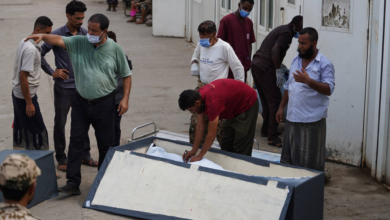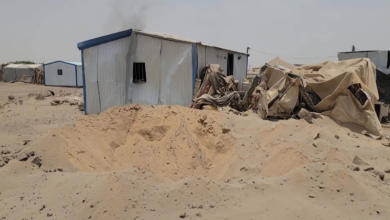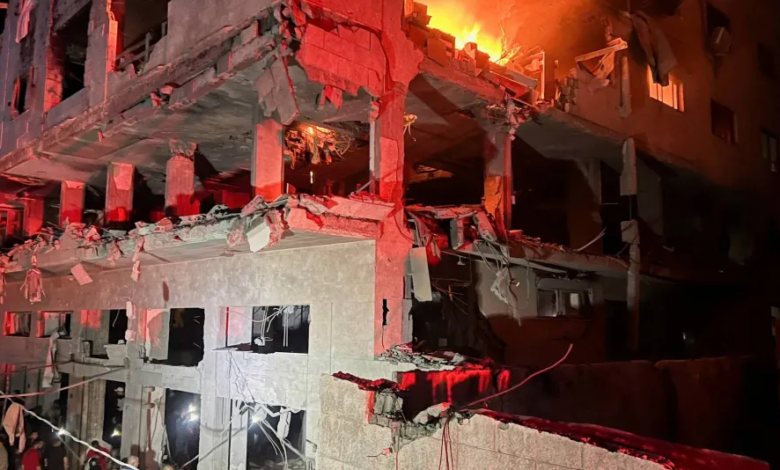

أكدت مصادر مطلعة داخل حركة المقاومة الإسلامية (حماس) في تصريحات خاصة لصحيفة «الشرق الأوسط» نبأ اغتيال الحداد، وهو أحد القيادات البارزة، وذلك في ظل التصعيد العسكري المستمر والعمليات الاستخباراتية المكثفة التي يشهدها قطاع غزة والمنطقة بأسرها. وتأتي هذه العملية لتضيف حلقة جديدة إلى سلسلة الاستهدافات التي تطال قيادات الصف الأول والثاني في الفصائل الفلسطينية.
السياق العام والخلفية التاريخية لسياسة الاغتيالات
تعتمد إسرائيل منذ عقود على سياسة الاغتيالات الموجهة أو القتل المستهدف كأداة رئيسية في صراعها مع الفصائل الفلسطينية، وعلى رأسها حركة حماس. تاريخياً، شهدت هذه السياسة محطات بارزة، بدءاً من اغتيال مؤسس الحركة الشيخ أحمد ياسين، ومروراً بالدكتور عبد العزيز الرنتيسي، والقائد العسكري أحمد الجعبري، وصولاً إلى الاغتيالات الحديثة التي طالت شخصيات وازنة مثل نائب رئيس المكتب السياسي صالح العاروري في بيروت، ورئيس المكتب السياسي إسماعيل هنية في طهران.
وتهدف هذه الاستراتيجية الإسرائيلية إلى إرباك الهيكل التنظيمي والعسكري للحركة، وقطع خطوط التواصل بين القيادة والقواعد الميدانية، فضلاً عن تحقيق مكاسب معنوية وسياسية للداخل الإسرائيلي. وتعتبر إسرائيل أن تصفية القادة الميدانيين والسياسيين يساهم في إضعاف القدرات التكتيكية والاستراتيجية للمقاومة على المدى القصير.
أهمية الحدث وتأثيره المتوقع على الصعيد المحلي
على الصعيد المحلي الفلسطيني، يمثل تأكيد اغتيال الحداد ضربة تنظيمية تسعى حماس عادةً لامتصاصها عبر تفعيل خطط الطوارئ وتصعيد قيادات بديلة بشكل سريع لضمان استمرار العمليات الميدانية. ومع ذلك، فإن مثل هذه الأحداث تؤدي بطبيعة الحال إلى تأجيج حالة الغضب الشعبي وتصعيد وتيرة المواجهات.
كما أن فقدان القيادات الميدانية والسياسية يعقد من المشهد الداخلي، ويجعل من مسألة التوصل إلى تهدئة أو هدن إنسانية أمراً بالغ الصعوبة، حيث تتجه الفصائل غالباً إلى الرد العسكري للحفاظ على معادلة الردع وتأكيد عدم انكسار بنيتها التنظيمية أمام الضربات المتتالية.
التداعيات الإقليمية والدولية
إقليمياً، لا يمكن فصل هذا الاغتيال عن المشهد الأوسع المتمثل في التوترات الحدودية وتعدد الجبهات. فكل عملية اغتيال لقيادي بارز ترفع من مستوى الاستنفار لدى الفصائل المسلحة في المنطقة، مما ينذر بتوسع رقعة الصراع لتشمل جبهات أخرى. هذا التوتر الإقليمي يضع المنطقة بأسرها على صفيح ساخن، ويزيد من احتمالات الانزلاق نحو مواجهات أوسع.
أما على الصعيد الدولي، فإن استمرار سياسة الاغتيالات يلقي بظلاله الثقيلة على الجهود الدبلوماسية التي تقودها دول الوساطة، وتحديداً جمهورية مصر العربية، ودولة قطر، والولايات المتحدة الأمريكية. هذه الأطراف التي تسعى جاهدة للتوصل إلى اتفاق لوقف إطلاق النار وإبرام صفقة لتبادل الأسرى، تجد نفسها أمام عقبات متجددة مع كل عملية اغتيال، حيث تتصلب المواقف وتتراجع فرص الحلول السلمية. في النهاية، يبقى هذا الحدث مؤشراً واضحاً على أن مسار التصعيد لا يزال مستمراً، مما يعقد المشهد السياسي والأمني.