
Hamas consultations begin in Cairo
The Egyptian capital is witnessing intense diplomatic activity, with delegations from the Islamic Resistance Movement, Hamas, holding crucial consultations in Cairo aimed at reviving the Gaza Agreement and reaching a consensus on a ceasefire. These successive visits come amidst strenuous efforts by the Egyptian leadership, in cooperation with international mediators in Qatar and the United States, to bridge the gaps and overcome the obstacles that have prevented the implementation of previous agreements. The discussions are primarily focused on mechanisms for exchanging prisoners and detainees, and ensuring the flow of humanitarian and relief aid to the Gaza Strip, which is suffering from an unprecedented humanitarian crisis.
General context and historical background of the Gaza negotiations
Since the outbreak of the latest conflict on October 7, numerous rounds of regional and international negotiations and mediation efforts have taken place. Egyptian, Qatari, and American efforts succeeded in reaching a temporary truce in late November of last year, which led to the release of a number of prisoners and the delivery of urgent humanitarian aid. However, military operations resumed with renewed ferocity, further complicating the field and political landscape. Hamas's consultations in Cairo today represent a serious attempt to revive the negotiation process, building upon the various proposals recently put forward, including initiatives supported by the US administration and UN Security Council resolutions calling for an immediate and sustainable ceasefire.
Egypt's pivotal role in mediation
The Arab Republic of Egypt plays a historic and pivotal role in supporting the Palestinian cause and managing the reconciliation and de-escalation process. Due to its geographical proximity and close ties to national security, Cairo is the primary destination for any consultations concerning the Gaza Strip. Egyptian authorities work continuously to overcome obstacles between the Palestinian factions and the Israeli side, utilizing their diplomatic influence and balanced relationships with all parties to prevent the region from sliding into a full-blown regional war and to ensure the preservation of the Palestinian people's rights.
The importance of the event and its expected impact
On the local and humanitarian level
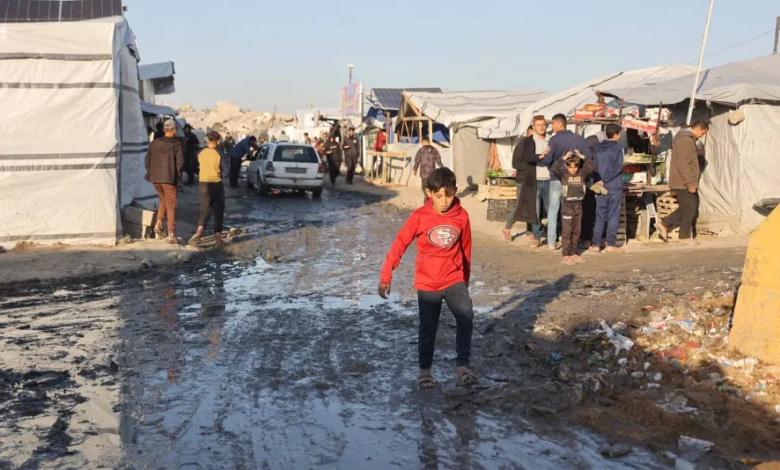
Reviving the Gaza agreement is of paramount importance to civilians in the Strip. The success of these consultations would mean halting the ongoing bloodshed, allowing displaced people to return to their homes in the north and south of the Strip, and enabling the immediate commencement of urgent relief and reconstruction efforts. It would also pave the way for ending the severe daily suffering caused by shortages of food, water, and medicine, and the collapse of infrastructure and the healthcare system.
At the regional and international levels
Regionally, reaching an agreement in Gaza is key to de-escalating tensions on other volatile fronts, such as southern Lebanon and the Red Sea region, where tensions have been directly linked to the course of the war in Gaza. Internationally, major capitals are watching closely for the success of these consultations to achieve relative stability in the Middle East, which would have a positive impact on global security and international trade, both of which have been severely affected by current regional tensions.
Current challenges to reviving the agreement
Despite the positive atmosphere surrounding some rounds of negotiations, Hamas's talks in Cairo face fundamental and complex challenges. Among the most prominent of these is reaching an agreement on the withdrawal of Israeli forces from key areas such as the Philadelphi Corridor and the Netzarim Pass, in addition to the deep disagreement over the nature of a ceasefire. Palestinian factions demand a permanent and comprehensive cessation of hostilities and a complete Israeli withdrawal, while Israel seeks temporary truces. Overcoming these points of contention requires flexibility from all parties and strong international guarantees that compel everyone to implement the terms of the agreement accurately and transparently.