Hamas disarmament deadline: Will the consultations succeed and the understandings be completed?

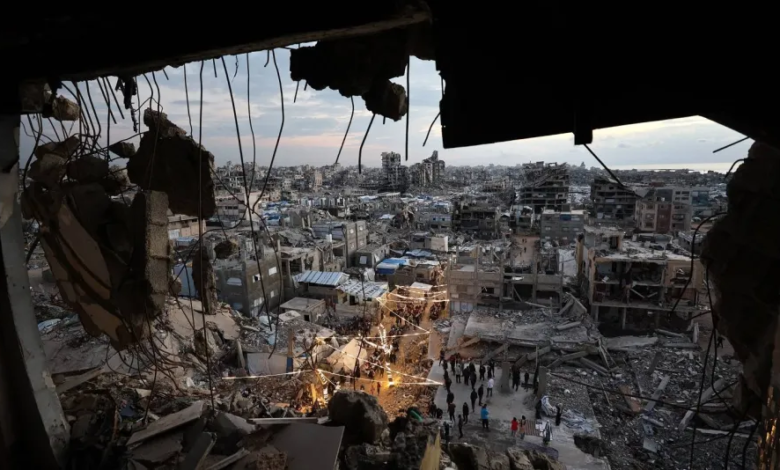
The political and security landscape in the Middle East is witnessing intense and unprecedented diplomatic activity centered on the complex and sensitive issue of the timeframe for disarming Hamas and the future of the Gaza Strip. These developments are unfolding amidst a frantic race against time, as ongoing behind-the-scenes consultations are met with a barrage of international and regional warnings and pressures, while indications suggest that an agreement may be closer than ever before.
Race against time and the challenges of disarmament
Negotiators and mediators face immense challenges in trying to bridge the gap between the conflicting parties. The issue of disarmament remains the most significant sticking point in all rounds of negotiations, with international and Israeli parties insisting on the neutralization of Palestinian factions' military capabilities as a prerequisite for a lasting truce or comprehensive reconstruction. Conversely, Hamas views its weapons as an existential guarantee and a key bargaining chip, making any talk of deadlines or ultimatums a true test of intentions and political resilience.
General context and historical background
The discussion of disarmament cannot be separated from the historical context of the conflict in the Gaza Strip. Over the past two decades, the Strip has witnessed multiple rounds of escalation, often ending in fragile ceasefire agreements that did not address the issue of weapons in a fundamental and decisive manner. Instead, they focused on "quiet for quiet" or economic concessions. However, current regional developments and the massive scale of destruction in recent rounds of conflict have created a new reality, making the security and military file a top priority on the agendas of key decision-making capitals, such as Cairo, Doha, and Washington.
The importance of the event and its regional and international impact
These consultations are significant because they could shape the future of the Middle East for years to come. Successfully reaching an acceptable agreement to defuse the crisis or address the arms issue diplomatically would avert a large-scale regional war that could draw in other parties. Internationally, major powers are pressing for a resolution to this issue to ensure the security of waterways, the stability of energy markets, and to prevent new waves of refugees that could overburden neighboring countries and Europe.
Future understandings and expected scenarios
Despite the language of mutual warnings and threats, diplomatic leaks indicate that creative formulas are being discussed that could overcome current obstacles, bringing agreements closer to fruition. These formulas might include international guarantees, long-term timeframes, or security arrangements under Arab and international supervision. The greatest hope, however, rests on the flexibility of the parties and the ability of mediators to forge compromises that save face for all and ensure long-term stability for the civilians who are paying the heaviest price for this conflict.