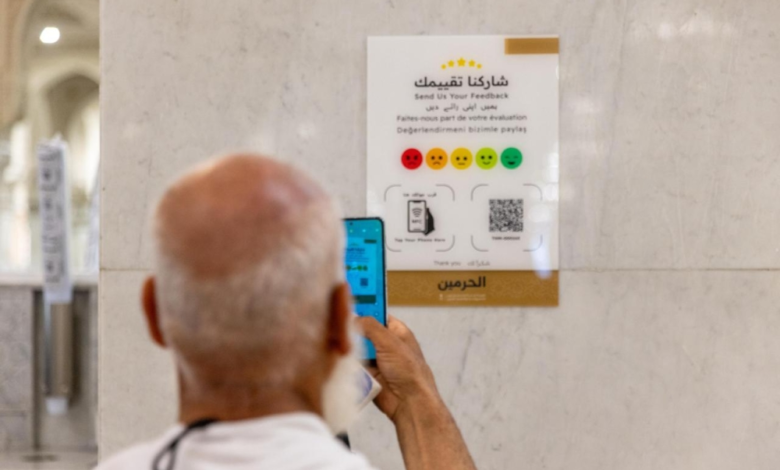

تحول رقمي في خدمة ضيوف الرحمن
أعلنت الهيئة العامة للعناية بشؤون المسجد الحرام والمسجد النبوي عن إطلاق حزمة متطورة من الحلول التقنية الذكية، تهدف إلى قياس رضا ضيوف الرحمن عن منظومة الخدمات المقدمة في الحرمين الشريفين. وتأتي هذه المبادرة النوعية، التي تشمل نشر 1000 لافتة ذكية، في إطار الجهود المستمرة للمملكة العربية السعودية لتسخير أحدث التقنيات لخدمة الحجاج والمعتمرين والزوار، وتحسين تجربتهم الإيمانية والخدمية.
سياق تاريخي ورؤية مستقبلية
لطالما أولت المملكة العربية السعودية، منذ تأسيسها، خدمة الحرمين الشريفين وقاصديهما أولوية قصوى. وعلى مر العقود، شهد الحرمان الشريفان توسعات ضخمة ومشاريع تطويرية متواصلة لاستيعاب الأعداد المتزايدة من المسلمين حول العالم. ومع انطلاق رؤية المملكة 2030، دخلت هذه الجهود حقبة جديدة ترتكز على التحول الرقمي والابتكار. ويهدف برنامج خدمة ضيوف الرحمن، أحد أهم برامج الرؤية، إلى إحداث نقلة نوعية في تجربة الحج والعمرة، وجعلها أكثر يسراً وطمأنينة. وتعد هذه المبادرة التقنية خطوة عملية وملموسة نحو تحقيق أهداف “الحج الذكي”، الذي يوظف التكنولوجيا لرفع كفاءة العمليات الميدانية والاستجابة لاحتياجات الزوار بشكل فوري.
آلية عمل اللافتات الذكية وتأثيرها
يعتمد المشروع على إنشاء لوحة تحكم تقنية متطورة لإدارة 1000 لافتة مصنوعة من الأكريليك، تم تزويد كل منها بشريحة اتصال قريب المدى (NFC). تتيح هذه التقنية لضيوف الرحمن، بمجرد تمرير هواتفهم الذكية على اللافتة، الوصول الفوري إلى استبيان رقمي لتقييم الخدمة المقدمة في ذلك الموقع تحديداً. وقد تم توزيع هذه اللافتات في مواقع استراتيجية مختارة بعناية، بواقع 650 لافتة في المسجد الحرام و350 لافتة في المسجد النبوي، لتغطية نقاط تقديم الخدمات الرئيسية مثل مناطق الطواف والسعي، ومواقع توزيع مياه زمزم، والمصليات، والمرافق الصحية. يتيح هذا النظام جمع وتحليل البيانات بشكل فوري، مما يوفر لصناع القرار مؤشرات أداء دقيقة حول جودة الخدمات الميدانية، ويساعد على تحديد نقاط القوة وفرص التحسين بشكل مباشر وسريع.
الأهمية والتأثير المتوقع
على الصعيد المحلي، تمثل هذه المبادرة نقلة من أساليب القياس التقليدية إلى نهج يعتمد على البيانات اللحظية، مما يعزز من قدرة الهيئة على اتخاذ قرارات مستنيرة وسريعة لتحسين الخدمات وحل أي تحديات قد تطرأ. أما على الصعيد الدولي، فإن هذا المشروع يعزز من مكانة المملكة كدولة رائدة في إدارة الحشود والتجمعات الدينية الضخمة، ويقدم نموذجاً يحتذى به في توظيف التكنولوجيا لخدمة الأماكن المقدسة. كما أنه يرسل رسالة إيجابية لملايين المسلمين حول العالم، تؤكد على حرص المملكة على تقديم أرقى مستويات الخدمة لضمان راحتهم وسلامتهم. إن توفير قناة تواصل رقمية مباشرة وفعالة يعمق من شعور الزائر بالاهتمام، ويجعله شريكاً في عملية التطوير المستمر، بما ينسجم كلياً مع مستهدفات رؤية المملكة 2030 لتقديم تجربة روحانية وخدمية لا تُنسى لضيوف الرحمن.