Affairs of the Two Holy Mosques: Record numbers in services provided to pilgrims during Ramadan 1447

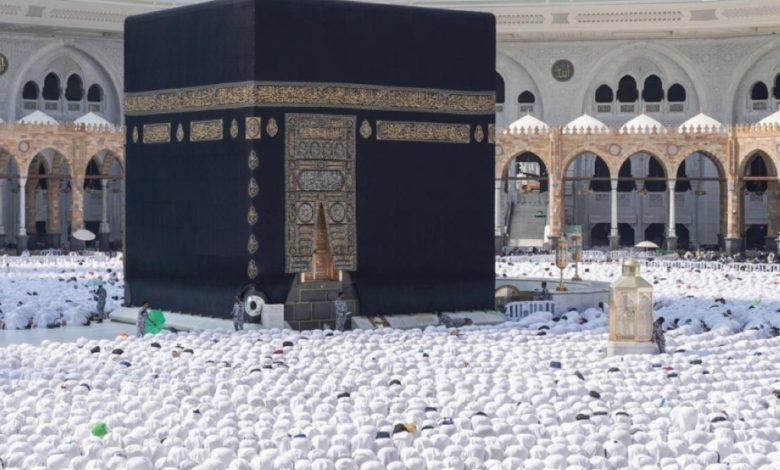
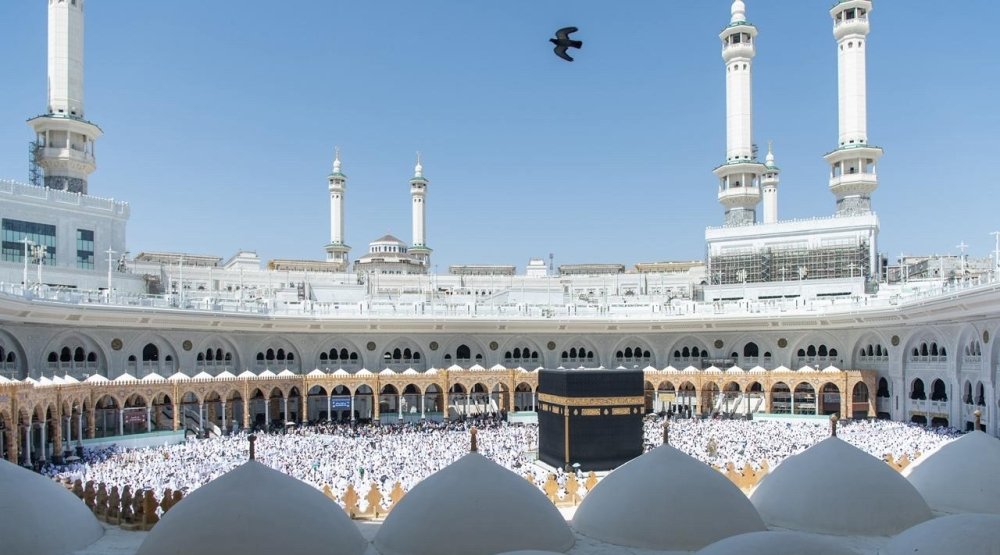
The General Authority for the Care of the Two Holy Mosques announced significant progress and record-breaking achievements in the services provided to pilgrims during the first ten days of Ramadan 1447 AH. These statistics reflect the success of the pre-prepared operational plans designed to accommodate the massive influx of people and provide a spiritually uplifting and tranquil atmosphere for the pilgrims.
Million-dollar statistics reflect the scale of the efforts made
In its official announcement, the General Presidency for the Affairs of the Two Holy Mosques revealed figures reflecting the scale of the fieldwork. The amount of blessed Zamzam water consumed within the courtyards and halls of the Two Holy Mosques reached approximately 15,333 cubic meters, ensuring that Zamzam water reaches every visitor and pilgrim around the clock. Regarding charitable meals, a prominent feature of the holy month, a total of 9,581,735 Iftar meals were distributed in the courtyards and prayer areas of the Two Holy Mosques, all of which adhered to the highest standards of quality and food safety to ensure the health of those fasting.
Regarding guidance services, (586,881) visitors benefited from spatial and legal guidance services, provided by a qualified staff of translators and guides through widespread points and field teams that roam the squares to answer visitors’ inquiries in multiple international languages.
Mobility and elderly care services
In order to facilitate the performance of rituals for those most in need, the authority clarified that the number of beneficiaries of wheelchair services (electric and manual) reached 332,022, which directly contributed to easing the movement of the elderly and people with disabilities, enabling them to perform Tawaf and Sa'i with ease. Additionally, 104,159 pilgrims benefited from the services for shaving and trimming their hair at designated and licensed locations around the Grand Mosque in Mecca, which are subject to strict health monitoring.
General context: Vision 2030 and expansion of services
These figures cannot be viewed in isolation from the historical and developmental context of Saudi Arabia. These efforts align with the goals of Vision 2030, which prioritizes serving pilgrims and aims to increase the capacity for Umrah to 30 million annually. The Third Saudi Expansion Project, the development of digital infrastructure, and the use of artificial intelligence in crowd management have all contributed to accommodating these increasing numbers with unprecedented operational efficiency.
Regional and international importance of the event
The success of the Ramadan season at the Two Holy Mosques carries far-reaching implications beyond the local level. It represents a message of reassurance to the entire Muslim world regarding the Kingdom's ability to manage millions of pilgrims in a limited geographical area simultaneously. These services also have a direct and positive impact on the experience of visitors from around the globe, enhancing the positive image of the services provided at the holy sites and reaffirming the Kingdom's leading role in serving Islam and Muslims.
This integrated system of services comes as an extension of the directives of the wise leadership - may God support them - which has harnessed all human, technical and material capabilities to ensure that every pilgrim performs his rituals in comfort and safety, amidst a system of services that develops year after year to keep pace with the aspirations of Muslims in all parts of the world.