Al-Ahsa Bisht Festival: Celebrating UNESCO and the return of women's leadership

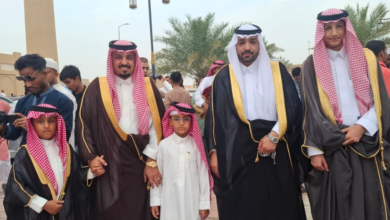
In a move reflecting the depth of Saudi heritage and highlighting Al-Ahsa's status as a capital of handicrafts, the third edition of the "Al-Ahsa Bisht Festival" was launched, marking a significant milestone in the history of heritage festivals in the Kingdom. Mohammed Al-Matroudi, Director of the Heritage Commission branch in Al-Ahsa, emphasized that this edition holds exceptional importance, coinciding with the major national achievement of officially registering the "bisht" (traditional men's cloak) on UNESCO's Representative List of the Intangible Cultural Heritage of Humanity.
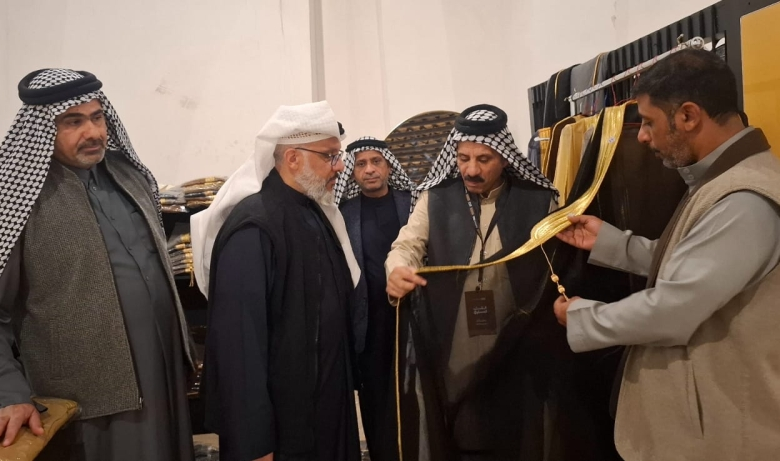
This event reinforces the status of the bisht not merely as a traditional garment, but as a symbol of Arab identity and social prestige, a tradition the Kingdom has preserved for centuries. Al-Ahsa, renowned as home to some of the world's most skilled bisht weavers, is the natural cradle of this celebration, where generations have meticulously passed down this craft by hand, making the Al-Ahsa bisht a globally recognized mark of unparalleled quality.
Tangible and intangible heritage under the umbrella of UNESCO
Al-Matroudi explained that the festival successfully crafted a unique and insightful cultural equation, linking the tangible heritage represented by the festival site, the historic Ibrahim Palace (a UNESCO World Heritage Site), with the intangible heritage of bisht weaving. This synergy between place and craft offers visitors a comprehensive cultural experience under the auspices of UNESCO, thus enhancing the tourism and historical value of Al-Ahsa Governorate.
The festival was not limited to the local dimension, but took on an international character with the participation of six sister and friendly countries, which turned the courtyards of the historic palace into a platform for cultural dialogue, highlighting the common human values in the craft arts and placing the Saudi product in its deserved global context.
The return of the "female helm" after 60 years
In a groundbreaking move, the festival announced the revival of the "women's cloak," a traditional abaya that was once prevalent in Al-Ahsa but disappeared some sixty years ago. This heritage piece is now back in the spotlight as a testament to the rich history of women's fashion in the region, thanks to a meticulous documentation project undertaken in partnership with the King Abdulaziz Foundation and in strategic collaboration with the Eastern Province Antiquities Society and the Al-Ahsa Girls' Association, to present authentic examples that reflect the region's past.
Modern technologies and the next generation
The festival transcended traditional presentation methods, adopting an "immersive experience" that blends modern digital technology with traditional gold thread embroidery, allowing visitors to virtually and tactilely delve into the intricacies of the craft. To ensure the sustainability of this heritage, the Authority dedicated a "Little Master" corner, offering children intensive cultural experiences through shadow puppetry and hands-on training, guaranteeing the transmission of national identity to future generations.
This event was held under the patronage of His Royal Highness Prince Saud bin Nayef bin Abdulaziz, Governor of the Eastern Province, and was graced by the presence of his deputy and the Governor of Al-Ahsa, reflecting the wise leadership's commitment to cultural heritage. The skies above the festival were adorned with drone displays that formed artistic tableaux expressing pride and generosity, inviting visitors to enjoy the festival's activities, which continue daily until February 7th.