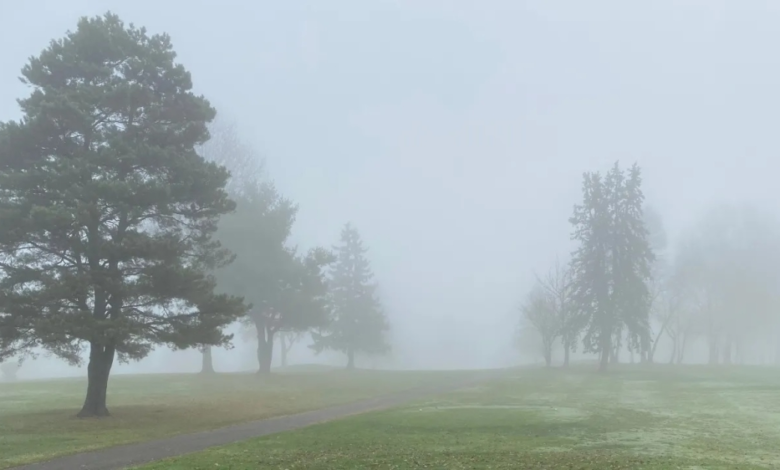

issued The National Center for Meteorology in Saudi Arabia weather, warning of light fog forming over large parts of six major regions during the early morning hours of Monday. The center explained that this weather phenomenon will continue to affect some areas until 7:00 AM and extend to 8:00 AM in others, urging motorists to exercise caution.
Weather details and affected areas
According to the weather report, the effects of this weather system include a decrease in horizontal visibility to between 3 and 5 kilometers. The center identified the areas and cities covered by the warning as follows:
- Eastern Province: Warnings were issued for the cities of Jubail, Khobar, Khafji, Dammam, Qatif, Ras Tanura, Al-Ahsa, Al-Udayd, and Abqaiq. The Eastern Province is among the areas most prone to fog due to high humidity levels coming from the Arabian Gulf.
- Makkah Region: The situation was concentrated in coastal areas such as Al-Qunfudhah and Al-Lith.
- Medina: The alert included Al-Rais and Yanbu.
- Asir region: It included mountainous areas such as Abha, Al Namas, Tanomah, and Khamis Mushait.
- Tabuk region: Al Wajh and Umluj.
- Jazan region: Al Darb, Bish, Jazan city, and Farasan Island.
Climate context and fog formation in the Kingdom
This weather phenomenon occurs within the context of typical climatic shifts during transitional periods and winter in Saudi Arabia. Temperature differences between the Earth's surface and the air above it, combined with high humidity levels—particularly in coastal areas along the Red Sea and the Arabian Gulf, or in mountainous regions—contribute to the condensation of water vapor and the formation of fog. This phenomenon is a recurring feature of the climate in the eastern and western coastal regions, as well as in the Asir highlands, which experience what is known as highland fog.
The importance of the warning and its impact on public safety
This warning is particularly important given its timing, coinciding with the morning rush hour when employees and students are heading to work and school. Reduced horizontal visibility directly impacts traffic flow, increasing the likelihood of accidents if safe driving practices are not followed in such conditions.
The relevant authorities, such as the General Directorate of Traffic and Civil Defense, usually call on drivers in such weather conditions to use low lights (fog lights), avoid using high lights that may obstruct visibility, in addition to leaving a sufficient safety distance between vehicles and reducing speed in accordance with the road conditions to ensure everyone’s safety.