
السياق الاستراتيجي لتطوير خدمات الحج
تعتبر إدارة الحشود وتقديم الرعاية الصحية والأمنية لملايين الحجاج سنوياً من أعظم التحديات اللوجستية التي تواجهها المملكة العربية السعودية. وفي إطار مستهدفات رؤية السعودية 2030، وتحديداً برنامج خدمة ضيوف الرحمن، تسعى المملكة باستمرار إلى إحداث نقلة نوعية في تجربة الحج من خلال الاعتماد على التحول الرقمي والذكاء الاصطناعي. تاريخياً، تطورت الخدمات المقدمة للحجاج بشكل جذري، حيث انتقلت من الجهود التقليدية إلى منظومة متكاملة تعتمد على أحدث التقنيات العالمية لضمان سلامة وصحة ضيوف الرحمن.
انطلاق منتدى الصحة والأمن في الحج
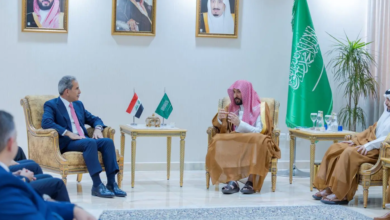
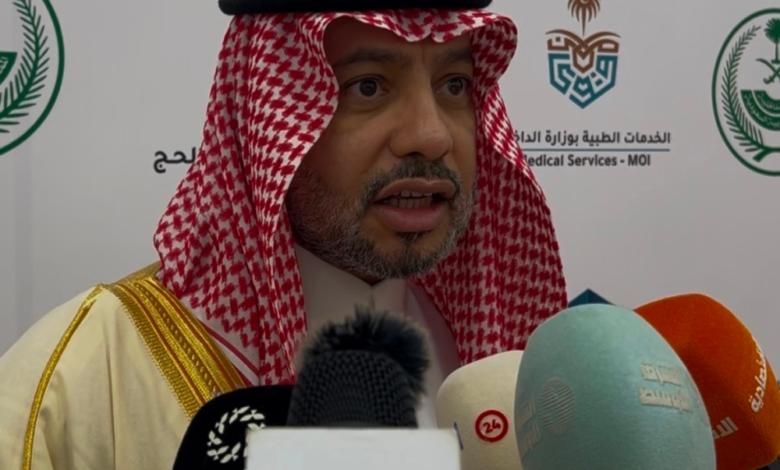
في هذا السياق، أكد الدكتور صالح المحسن، المشرف العام على الخدمات الطبية بوزارة الداخلية وبرنامج مستشفى قوى الأمن، أن النسخة الثالثة من منتدى الصحة والأمن في الحج تمثل منصة وطنية ومهنية رائدة. تعكس هذه المنصة مستوى التكامل العالي بين القطاعات الصحية والأمنية والخدمية في المملكة، بهدف تقديم رعاية متكاملة تضمن -بمشيئة الله- حجاً صحياً وآمناً لجميع حجاج بيت الله الحرام.
وأوضح الدكتور المحسن خلال المنتدى أن هذه الفعالية تأتي ضمن مبادرات الخدمات الطبية بوزارة الداخلية، وبدعم وتوجيه مباشر من سمو وزير الداخلية. ويبرز المنتدى الجهود المشتركة بين الجهات الحكومية، والقطاع الخاص، والقطاع غير الربحي، مسلطاً الضوء على ما تمتلكه المملكة من إمكانات وتقنيات متقدمة لرفع جودة الرعاية الصحية والأمنية.
800 مبتكر في هاكثون الصحة والأمن في الحج
من أبرز الفعاليات المصاحبة للمنتدى هو إطلاق هاكثون الصحة والأمن في الحج، والذي شهد مشاركة واسعة لأكثر من 800 مبتكر ومبتكرة من أبناء وبنات الوطن. يعمل هؤلاء المشاركون بشغف على ابتكار وتطوير حلول ذكية تسهم في مواجهة التحديات الميدانية التي قد تواجه موسم الحج. ويعكس هذا الرقم الكبير حجم المشاركة المجتمعية الفعالة والكفاءات الوطنية الشابة التي تساهم في دعم منظومة خدمة الحجاج، مما يعزز من توطين التقنية والاعتماد على العقول المحلية في حل المشكلات المعقدة.
توظيف التقنيات الحديثة والذكاء الاصطناعي
لضمان سرعة الاستجابة ورفع كفاءة الخدمات، تعتمد الخدمات الطبية على توظيف حزمة من التقنيات الحديثة لمواجهة التحديات الميدانية، ومن أبرزها:
- الأساور الذكية: تُستخدم لمتابعة الحالة الصحية لرجال الأمن العاملين في الميدان، مما يتيح للفرق الطبية التدخل الاستباقي والعاجل عند رصد أي مؤشرات حيوية غير طبيعية.
- الطائرات المسيّرة (الدرونز): بالتعاون مع شركة “نوبكو”، يتم استخدام الدرونز لإيصال المستلزمات الطبية والأدوية بسرعة فائقة، متجاوزة بذلك تحديات الازدحام المروري والكثافة البشرية في المشاعر المقدسة.
- العيادات الذكية المتنقلة: نشر عربات ذكية وتقنيات متنقلة في مواقع تمركز القوى الأمنية والميدانية لتقديم استجابة طبية فورية.
التأثير المتوقع محلياً ودولياً
على الصعيد المحلي، تسهم هذه الابتكارات في حماية الكوادر الأمنية التي تعمل على مدار الساعة لخدمة الحجاج، وتوفر شبكة رعاية متكاملة تضم عيادات ميدانية ومستشفى مرجعي في مكة المكرمة. أما على الصعيدين الإقليمي والدولي، فإن نجاح المملكة في دمج التقنية بإدارة الحشود يضعها في صدارة الدول الرائدة في مجال طب الحشود والتجمعات البشرية (Mass Gathering Medicine). وتُعد هذه الحلول الذكية نموذجاً عالمياً يُحتذى به في إدارة الفعاليات الكبرى، مما يؤكد ريادة السعودية في تسخير الابتكار لخدمة الإنسانية.