Minister of Health: Adopting nutrition and child protection policies is a historic step

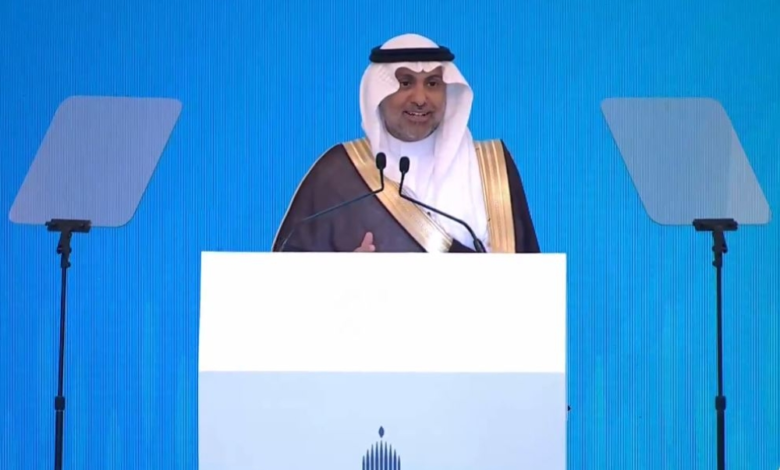
His Excellency the Minister of Health, Professor Fahd bin Abdulrahman Al-Jalajel, expressed his deepest gratitude and appreciation to the Custodian of the Two Holy Mosques, King Salman bin Abdulaziz Al Saud, and to His Royal Highness Prince Mohammed bin Salman bin Abdulaziz, Crown Prince and Prime Minister - may God protect them - on the occasion of the issuance of the Cabinet’s decision approving the National Policy for Promoting Healthy Nutritional Patterns and the National Policy for Child Protection in Educational Institutions.
A key pillar of Vision 2030
Al-Jalajel emphasized that this commendable step embodies the wise leadership's commitment to human health and its prioritization of it, aligning with the objectives of the Kingdom's Vision 2030 and the Health Sector Transformation Program. He noted that these policies represent a qualitative leap in the concept of public health, focusing on the shift from the traditional curative model to a proactive preventative model aimed at enhancing quality of life and building a vibrant society whose members enjoy a healthy and sustainable lifestyle.
Dimensions of the National Child Protection Policy
Regarding the national policy for child protection in educational institutions, His Excellency explained that this policy, spearheaded by the Ministry of Education in strategic partnership with several government entities, aims to create a safe and stimulating learning environment for students. This policy goes beyond the traditional concept of protection to include:
- Ensuring the physical and psychological safety of the child within the school walls.
- Activating monitoring and early intervention mechanisms for cases of abuse or neglect.
- Promoting the mental health and social well-being of students, in accordance with international conventions and local child rights systems.
Promoting healthy eating habits and combating chronic diseases
Regarding the national policy for promoting healthy eating habits, the Minister of Health explained that it constitutes a comprehensive national framework for reducing the prevalence of chronic diseases linked to malnutrition, such as obesity, diabetes, and heart disease. He commended the pivotal role of the Saudi Food and Drug Authority and its partners in formulating this policy, which aims to:
- Raising community awareness about the calories and nutritional value of foods.
- Improving the food environment in restaurants, cafes, and markets.
- Empowering individuals to make healthy and informed food choices.
Promising health indicators and tangible achievements
Al-Jalajel reviewed the achievements of the "Ministerial Committee for Health in All Policies," noting that the integration of government efforts has led to a significant improvement in national health indicators, with life expectancy in the Kingdom rising to 79.7 years . The Kingdom also recorded a substantial 60% decrease in deaths from traffic accidents, a 50% decline in deaths from infectious diseases, and a 40% decrease in deaths from chronic diseases, reflecting the success of the implemented preventative strategies.
The minister concluded his statement by emphasizing that adopting these policies will enhance the Kingdom’s position as a global model in applying healthy city standards, as 16 Saudi cities have already received accreditation from the World Health Organization, confirming progress towards a healthy and prosperous future for the nation and its citizens.